SECTION: Effects on Later Relationships
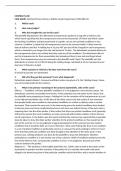
TOPIC: Attachment
SUMMARY OF KEY IDEAS (K/U)
1. Internal working model explained by Bowlby suggests the primary relationship leads to a future template of child and
adult relationships due to mental representations. Those with a reliable/responsible caregiver will likely seek
healthy/functioning relationships due to the model shown to them. Relationships are more likely to be balanced levels
of emotional involvement and control. With a poor internal working model, relationships may struggle to form or
display insecure avoidant/resistant behaviours throughout.
2. Attachment Type is also associated with peer relationships, secure attachment styled have best quliaty child
relationships, but insecure styles have more difficulties. Bullying behaviour can be more common, resistant being
victims and avoidant the bullies.
RELEVENT EVIDENCE
The love quiz – Shaver – Printed in an American local newspaper with 620 replies the quiz assessed the association
between attachment and adult relationships. Asking about current and previous relationships and finding attachment
type.
Those who were securely attached most likely to have long lasting romantic experiences. Avoidant tended to have more
jealous tendencies and fear of intimacy. Showing attachment differences cause future relationship differences.
Generational Mothers – (a study mentioned before) 99 mothers and their 1 years old baby were assed using the stragne
situation and mothers of mothers relationships were also assessed. Majority of women replicated their attachment with
their mother with their own child, proving the theory of internal working model.
PEEL STRENGTH PEEL WEAKNESS
Research Support – animal studies (monkey’s maternal Lack of longitudinal studies – most research either
behaviour after separation,) the love quiz, generational assesses early attachment and predicts later outcomes or
mothers, institutionalised children recovering ALL assess adult situations and ask about past experiences.
support the idea of attachment and internal working Validity problems are formed because it relies on honesty
model effecting future relationships. and memory, also confounding variables on each
The idea that early attachment predicts later attachment. individual (especially adult studies) are difficult to control.
Confounding Variables – never can be sure it is simply
PEEL WEAKNESS down to early attachment that affects adult relationships.
Genetics and other childhood experiences may also
Probabilistic – insecure attachment doesn’t inevitably influence later development meaning early attachment
cause future problems (unsuccessful relationships and cannot be ruled as the only influencer.
involvement in bullying.) It just defines likelihood,
knowing someone’s attachment status could cause self- Most studies are theoretical and therefore can be
fulfilment difficulty (set up to fail) but it also allows meaningless to psychology.
development help and opportunity to intervene.
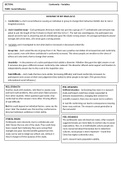
TOPIC: Attachment
SUMMARY OF KEY IDEAS (K/U)
1. Internal working model explained by Bowlby suggests the primary relationship leads to a future template of child and
adult relationships due to mental representations. Those with a reliable/responsible caregiver will likely seek
healthy/functioning relationships due to the model shown to them. Relationships are more likely to be balanced levels
of emotional involvement and control. With a poor internal working model, relationships may struggle to form or
display insecure avoidant/resistant behaviours throughout.
2. Attachment Type is also associated with peer relationships, secure attachment styled have best quliaty child
relationships, but insecure styles have more difficulties. Bullying behaviour can be more common, resistant being
victims and avoidant the bullies.
RELEVENT EVIDENCE
The love quiz – Shaver – Printed in an American local newspaper with 620 replies the quiz assessed the association
between attachment and adult relationships. Asking about current and previous relationships and finding attachment
type.
Those who were securely attached most likely to have long lasting romantic experiences. Avoidant tended to have more
jealous tendencies and fear of intimacy. Showing attachment differences cause future relationship differences.
Generational Mothers – (a study mentioned before) 99 mothers and their 1 years old baby were assed using the stragne
situation and mothers of mothers relationships were also assessed. Majority of women replicated their attachment with
their mother with their own child, proving the theory of internal working model.
PEEL STRENGTH PEEL WEAKNESS
Research Support – animal studies (monkey’s maternal Lack of longitudinal studies – most research either
behaviour after separation,) the love quiz, generational assesses early attachment and predicts later outcomes or
mothers, institutionalised children recovering ALL assess adult situations and ask about past experiences.
support the idea of attachment and internal working Validity problems are formed because it relies on honesty
model effecting future relationships. and memory, also confounding variables on each
The idea that early attachment predicts later attachment. individual (especially adult studies) are difficult to control.
Confounding Variables – never can be sure it is simply
PEEL WEAKNESS down to early attachment that affects adult relationships.
Genetics and other childhood experiences may also
Probabilistic – insecure attachment doesn’t inevitably influence later development meaning early attachment
cause future problems (unsuccessful relationships and cannot be ruled as the only influencer.
involvement in bullying.) It just defines likelihood,
knowing someone’s attachment status could cause self- Most studies are theoretical and therefore can be
fulfilment difficulty (set up to fail) but it also allows meaningless to psychology.
development help and opportunity to intervene.