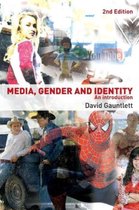
David Gaunlett: Identity Theory
4 pillars of media studies
Industry
Representation
Audience
Media studies
What is identity?
What makes you. Your personality, Your character. How unique you are. Your heritage. Different
types of identity. Your belief system and your values
Personality is not completely fixed.
Representation.
Representation is how media texts deal with and present gender, age, ethnicity,
national and regional identity, social issues and events to an audience
Media texts have the power to shape an audience’s knowledge and understanding
about these important topics.
This makes them very powerful in terms of influencing ideas and attitudes
Understanding representation is understanding the choices that are made when it comes to
portraying something or someone in a media product.
What is the first thing you think of when you look at his wallpaper image of Rita Ora?
She good- modern looking
How did her management want you to see her? POWERFUL, bold, confident as a trendy,
modern good looking girl, empowerment
How did they try to achieve this? Powerful stance, open stance, staring at you directly in the face.
David Gauntlett:
Explored how identities and gender could be linked with mass media
Mass media means everyone it is anti-niche
Key term: Media proliferation
The explosion of media products (in the UK) from 1980-1990
At this time, more and more media was becoming available
Products were being targeted at niche or specialised audience
David believed this turned viewers into active viewers rather than passive (they choose what they
want) consumers which gave audiences more control over the way they use media to craft their
identities
In David’s theories he made two assertions:
1. Audiences get their own identity from the media that they consume
2. In the past, older media products portrayed very simple representation of gender
(Men = strong / brave, Women = housewives)
But newer media is diverse and offers a range of representations.
Who influenced Gauntlett
Anthony Giddens
4 pillars of media studies
Industry
Representation
Audience
Media studies
What is identity?
What makes you. Your personality, Your character. How unique you are. Your heritage. Different
types of identity. Your belief system and your values
Personality is not completely fixed.
Representation.
Representation is how media texts deal with and present gender, age, ethnicity,
national and regional identity, social issues and events to an audience
Media texts have the power to shape an audience’s knowledge and understanding
about these important topics.
This makes them very powerful in terms of influencing ideas and attitudes
Understanding representation is understanding the choices that are made when it comes to
portraying something or someone in a media product.
What is the first thing you think of when you look at his wallpaper image of Rita Ora?
She good- modern looking
How did her management want you to see her? POWERFUL, bold, confident as a trendy,
modern good looking girl, empowerment
How did they try to achieve this? Powerful stance, open stance, staring at you directly in the face.
David Gauntlett:
Explored how identities and gender could be linked with mass media
Mass media means everyone it is anti-niche
Key term: Media proliferation
The explosion of media products (in the UK) from 1980-1990
At this time, more and more media was becoming available
Products were being targeted at niche or specialised audience
David believed this turned viewers into active viewers rather than passive (they choose what they
want) consumers which gave audiences more control over the way they use media to craft their
identities
In David’s theories he made two assertions:
1. Audiences get their own identity from the media that they consume
2. In the past, older media products portrayed very simple representation of gender
(Men = strong / brave, Women = housewives)
But newer media is diverse and offers a range of representations.
Who influenced Gauntlett
Anthony Giddens