OCR A-Level English Literature Comparative Analysis: Dracula and The
Bloody Chamber and Other Stories
Relevant Information:
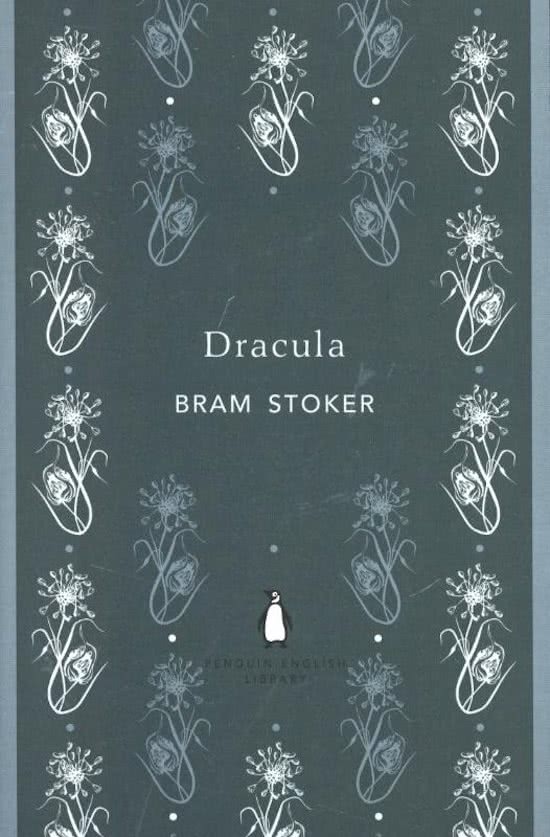
− Covers Bram Stoker’s Dracula and Angela Carter’s The Bloody Chamber and
Other Stories, including The Bloody Chamber, The Lady of the House of Love,
and The Tiger’s Bride
− Covers key assessment objectives AO1, AO3, AO4, and AO5
− Compares 19th and 20th century Gothic literature
− Uses theoretical ideas on feminism, reverse colonisation, and orientalism
− Key theorists and critics who relate to the topics discussed include Judith Butler,
Stephen Arata, Edward Said, Betty Friedan, Merja Makinen, and Barbara Creed
− Covers key themes and Gothic conventions such as the supernatural, haunted
settings, duality, transformation, sexuality, and violence
− Strong analytical points may be repeated to show adaptability across themes
Marriage
Thesis statement: Both Stoker and Carter use the institution of marriage as a cultural
reminder of the containment of female sexuality in society; however, while Stoker
encourages marital structures to promote traditional gender roles and patriarchal
authority, Carter criticises the way in which marriage reinforces male control and traps
women within confining, domestic ideals.
In Dracula, Stoker encourages marriage as a sacramental, unbreakable bond between
partners and God to reinforce patriarchal and religious ideals of the Victorian Era. For
example, Mina, who embodies the Victorian ideal of the ‘Angel in the House’ wishes to
serve and be ‘useful’ to her husband and is therefore spared the fate of becoming a
vampire due to her submissive passivity and contained sexuality. However, Lucy, who is
unmarried, jokingly unsettles Victorian Christian norms of monogamy through her light-
hearted question ‘Why can’t they let a girl marry three men?’ and is ultimately punished
for her liberal attitude through her transformation into a monstrous vampire and brutal
execution. Through the contrast between the two characters, Stoker encourages
marriage as a form of protection against the threat of the ‘New Woman’ by using Lucy’s
destruction to imply that women who reject marital boundaries must be punished and
that social order can only be maintained when female sexuality is controlled by
patriarchal authority. In contrast, Carter uses the ‘gold band’ placed on the narrator’s
finger in The Bloody Chamber to symbolise ownership and commodification, allowing
her to critique traditional marital structures by portraying them as a transactional
mechanism through which men aim to gain complete ownership over their wife. The
narrator’s later comment that with marriage comes ‘exile’, frames it not as an act of
pure love, but as a patriarchal attempt to isolate and control women within domestic
Bloody Chamber and Other Stories
Relevant Information:
− Covers Bram Stoker’s Dracula and Angela Carter’s The Bloody Chamber and
Other Stories, including The Bloody Chamber, The Lady of the House of Love,
and The Tiger’s Bride
− Covers key assessment objectives AO1, AO3, AO4, and AO5
− Compares 19th and 20th century Gothic literature
− Uses theoretical ideas on feminism, reverse colonisation, and orientalism
− Key theorists and critics who relate to the topics discussed include Judith Butler,
Stephen Arata, Edward Said, Betty Friedan, Merja Makinen, and Barbara Creed
− Covers key themes and Gothic conventions such as the supernatural, haunted
settings, duality, transformation, sexuality, and violence
− Strong analytical points may be repeated to show adaptability across themes
Marriage
Thesis statement: Both Stoker and Carter use the institution of marriage as a cultural
reminder of the containment of female sexuality in society; however, while Stoker
encourages marital structures to promote traditional gender roles and patriarchal
authority, Carter criticises the way in which marriage reinforces male control and traps
women within confining, domestic ideals.
In Dracula, Stoker encourages marriage as a sacramental, unbreakable bond between
partners and God to reinforce patriarchal and religious ideals of the Victorian Era. For
example, Mina, who embodies the Victorian ideal of the ‘Angel in the House’ wishes to
serve and be ‘useful’ to her husband and is therefore spared the fate of becoming a
vampire due to her submissive passivity and contained sexuality. However, Lucy, who is
unmarried, jokingly unsettles Victorian Christian norms of monogamy through her light-
hearted question ‘Why can’t they let a girl marry three men?’ and is ultimately punished
for her liberal attitude through her transformation into a monstrous vampire and brutal
execution. Through the contrast between the two characters, Stoker encourages
marriage as a form of protection against the threat of the ‘New Woman’ by using Lucy’s
destruction to imply that women who reject marital boundaries must be punished and
that social order can only be maintained when female sexuality is controlled by
patriarchal authority. In contrast, Carter uses the ‘gold band’ placed on the narrator’s
finger in The Bloody Chamber to symbolise ownership and commodification, allowing
her to critique traditional marital structures by portraying them as a transactional
mechanism through which men aim to gain complete ownership over their wife. The
narrator’s later comment that with marriage comes ‘exile’, frames it not as an act of
pure love, but as a patriarchal attempt to isolate and control women within domestic