

Business — Business operations (paper 1)
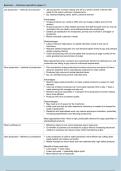
Job production - methods of production • Job production involves making one-o or a small number of items often
made to the exact customer's requirements
• Eg. making wedding cakes, tailors, personal trainers
Advantages:
• Unique products can create a USP, and can charge a higher price for the
product
• As job production is often skilled work then the sta are paid more so may be
motivated, this can lead to more e cient/productive employees
• Greater job satisfaction for employees, as they are involved in all stages of
production
• Meets individual customer’s needs
Disadvantages:
• Labour intensive-high labour to capital ratio/less suited to the use of
machinery
• Requires skilled employees who will demand higher levels of pay and perhaps
require ongoing training
• Costs of producing one unit are higher than producing a large number of the
same good/service (economies of scale)
Most appropriate when: products are customised, demand is relatively low, and
customers are willing to pay more for individual requirements
Flow production - methods of production • Flow production (mass production) involves continuous movement of items
along an assembly line to manufacture products for mass market
• Produces high volume of similar/identical items
• Eg. car manufacturing, phone manufacturing
Advantages:
• Ideal for large scale production of mass-market products so easier to meet
demand
• Less use of labour-business can more easily operate 24hrs a day, 7 days a
week-reducing the average cost per unit
• Workers used can specialise in 1 job/part of the production process making
them more e cient
• Products will have consistent quality
Disadvantages:
• May need a lot of space for the machinery
• Initial costs are high as often expensive machinery is needed to increase the
scale of production.
• Repetitive and specialised work may reduce employee motivation, potentially
increasing absenteeism and reducing productivity
Most appropriate when: there is high, predictable demand for large quantities of
standardised products
What is e ciency? • E ciency refers to how well a business uses it resources
• Or whether a business can increase its output without increasing resources/
whether a business can reduce costs whilst maintaining output
Lean production - ef ciency in production • Lean production is used to make production more ef cient by cutting down
waste (which can reduce unit costs)
• Waste includes too much stock and raw materials held, high defect products
Bene ts of lean production:
• Less waste → lower costs
• Lower unit costs → potentially higher pro t
• More ef cient use of resources
ffi fi fi ffi ffi fi ffi ff fi fffi
, Business — Business operations (paper 1)
Just in time (JIT) - e ciency in production • JIT aims to ensure that inputs arrive “when they are needed” and outputs are
and managing stock also produced “when they are needed”.
• Most rms use production scheduling software to plan production for each
(a form of lean production) period of time, which includes ordering the correct stock.
Advantages:
• Reduced costs
- Minimise the amount of all stock held and therefore reduces the cost of having
to keep stock - less inventory so lower storage/rent/insurance costs
• Reduces waste
- Less risk of stock not being sold, becoming obsolete and going off/perishing
Disadvantages:
• Cost of more frequent deliveries
• Lost purchasing economies of scale
- JIT method means that rms buy small quantities of stock at a time, rather
than buying in bulk
• Very reliant on supplier - fail to deliver on time may lead to quality issues and
no sale/production (need good relationship with supplier or near supplier) - the
whole production schedule can be delayed
• Risk of failing to meet demands may mean loss of sales and reputational
issues - there are no spare nished products or spare stock available to meet
unexpected orders, because all products are made to meet actual orders. This
can lead to lower levels of customer service
• Requires carefully planned scheduling and ow of resources through the
production process - can be time consuming
It depends on… how reliable supplier is (nearby? good relationship?) and
predictability of sales
Just in case (JIC) - managing stock • JIC involves buffer stock (extra stock) of raw materials and nished products
kept in case the business gets unexpectedly large orders/shortage of supply/
customer demand increases.
Advantages:
• Spare stock to satisfy demand
- Can meet unexpected orders, which can increase the level of customer
service
• Economies of scale are possible from bulk purchasing
Disadvantages:
• Cost of holding buffer stock as more storage space is needed which increases
rent and insurance costs - therefore less money is available for other purposes
• There is a danger of stock perishing, becoming obsolete or out of date which
may mean more waste
Factors a ecting choice of suppliers • Price
- If a supplier is cheap, then the business can decrease its selling price and
potentially make more sales. However cheaper suppliers may offer lower
quality products so customer satisfaction might decrease leading to a loss of
long term sales.
- Firms have to decide how much they are willing to pay and whether cost is
their rst priority.
• Quality
- Higher-quality supplies may improve the quality of the nal product, potentially
increasing customer satisfaction - so it is more likely they will make repeat
purchases and there will be high customer loyalty. However, it will mean that
costs are likely to be more and pro t less, unless the business can increase its
selling prices.
- Reduced waste if products from suppliers are good quality as there would be
less defects and returns
• Reliability
- Suppliers can deliver on time and quickly without running out of stock
fifi ff ffi fi fi fi fl fi fi
Job production - methods of production • Job production involves making one-o or a small number of items often
made to the exact customer's requirements
• Eg. making wedding cakes, tailors, personal trainers
Advantages:
• Unique products can create a USP, and can charge a higher price for the
product
• As job production is often skilled work then the sta are paid more so may be
motivated, this can lead to more e cient/productive employees
• Greater job satisfaction for employees, as they are involved in all stages of
production
• Meets individual customer’s needs
Disadvantages:
• Labour intensive-high labour to capital ratio/less suited to the use of
machinery
• Requires skilled employees who will demand higher levels of pay and perhaps
require ongoing training
• Costs of producing one unit are higher than producing a large number of the
same good/service (economies of scale)
Most appropriate when: products are customised, demand is relatively low, and
customers are willing to pay more for individual requirements
Flow production - methods of production • Flow production (mass production) involves continuous movement of items
along an assembly line to manufacture products for mass market
• Produces high volume of similar/identical items
• Eg. car manufacturing, phone manufacturing
Advantages:
• Ideal for large scale production of mass-market products so easier to meet
demand
• Less use of labour-business can more easily operate 24hrs a day, 7 days a
week-reducing the average cost per unit
• Workers used can specialise in 1 job/part of the production process making
them more e cient
• Products will have consistent quality
Disadvantages:
• May need a lot of space for the machinery
• Initial costs are high as often expensive machinery is needed to increase the
scale of production.
• Repetitive and specialised work may reduce employee motivation, potentially
increasing absenteeism and reducing productivity
Most appropriate when: there is high, predictable demand for large quantities of
standardised products
What is e ciency? • E ciency refers to how well a business uses it resources
• Or whether a business can increase its output without increasing resources/
whether a business can reduce costs whilst maintaining output
Lean production - ef ciency in production • Lean production is used to make production more ef cient by cutting down
waste (which can reduce unit costs)
• Waste includes too much stock and raw materials held, high defect products
Bene ts of lean production:
• Less waste → lower costs
• Lower unit costs → potentially higher pro t
• More ef cient use of resources
ffi fi fi ffi ffi fi ffi ff fi fffi
, Business — Business operations (paper 1)
Just in time (JIT) - e ciency in production • JIT aims to ensure that inputs arrive “when they are needed” and outputs are
and managing stock also produced “when they are needed”.
• Most rms use production scheduling software to plan production for each
(a form of lean production) period of time, which includes ordering the correct stock.
Advantages:
• Reduced costs
- Minimise the amount of all stock held and therefore reduces the cost of having
to keep stock - less inventory so lower storage/rent/insurance costs
• Reduces waste
- Less risk of stock not being sold, becoming obsolete and going off/perishing
Disadvantages:
• Cost of more frequent deliveries
• Lost purchasing economies of scale
- JIT method means that rms buy small quantities of stock at a time, rather
than buying in bulk
• Very reliant on supplier - fail to deliver on time may lead to quality issues and
no sale/production (need good relationship with supplier or near supplier) - the
whole production schedule can be delayed
• Risk of failing to meet demands may mean loss of sales and reputational
issues - there are no spare nished products or spare stock available to meet
unexpected orders, because all products are made to meet actual orders. This
can lead to lower levels of customer service
• Requires carefully planned scheduling and ow of resources through the
production process - can be time consuming
It depends on… how reliable supplier is (nearby? good relationship?) and
predictability of sales
Just in case (JIC) - managing stock • JIC involves buffer stock (extra stock) of raw materials and nished products
kept in case the business gets unexpectedly large orders/shortage of supply/
customer demand increases.
Advantages:
• Spare stock to satisfy demand
- Can meet unexpected orders, which can increase the level of customer
service
• Economies of scale are possible from bulk purchasing
Disadvantages:
• Cost of holding buffer stock as more storage space is needed which increases
rent and insurance costs - therefore less money is available for other purposes
• There is a danger of stock perishing, becoming obsolete or out of date which
may mean more waste
Factors a ecting choice of suppliers • Price
- If a supplier is cheap, then the business can decrease its selling price and
potentially make more sales. However cheaper suppliers may offer lower
quality products so customer satisfaction might decrease leading to a loss of
long term sales.
- Firms have to decide how much they are willing to pay and whether cost is
their rst priority.
• Quality
- Higher-quality supplies may improve the quality of the nal product, potentially
increasing customer satisfaction - so it is more likely they will make repeat
purchases and there will be high customer loyalty. However, it will mean that
costs are likely to be more and pro t less, unless the business can increase its
selling prices.
- Reduced waste if products from suppliers are good quality as there would be
less defects and returns
• Reliability
- Suppliers can deliver on time and quickly without running out of stock
fifi ff ffi fi fi fi fl fi fi


