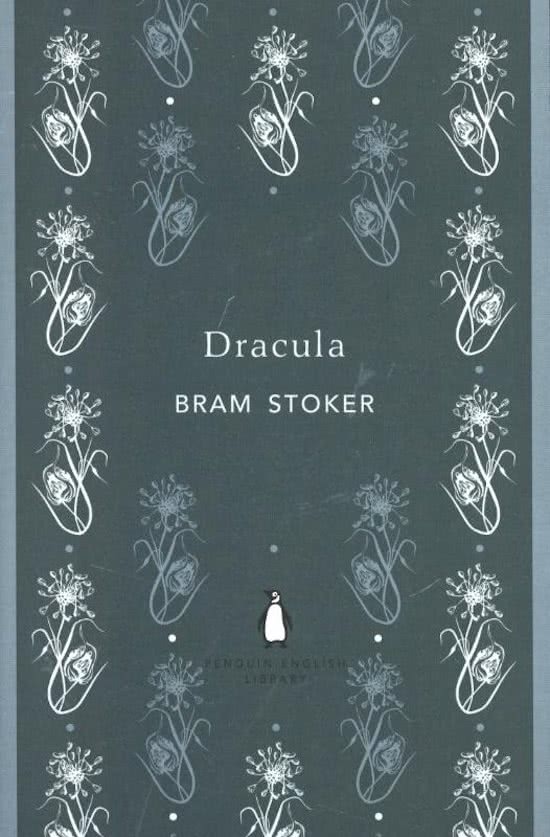
English Literature: Dracula and The Bloody Chamber
Comparative Essay
OCR English Literature
Comparative and contextual study
The Gothic
Grade A* - 27/30 Level 6
AO3 = 50%
AO4 = 25%
AO1 = 12.5%
AO5 = 12.5%
Themes and Concepts Explored:
- Forbidden Desires
- Female Sexuality
- The Patriarchy
- Patriarchal control
- Social Norms
- Conformity and Subversion
- Gender
- The Supernatural
- The ‘New Woman’
- The ‘Monstrous Feminine’
- Feminism
Exam Question: ‘At the core of Gothic literature is the fear of what should
remain hidden.’
The fear of forbidden desire functions as a central catalyst in both Dracula
and The Bloody Chamber and Other Stories. However, while Stoker
explores this theme through cultural and religious anxieties and
suppression, Carter confronts forbidden desires in an act of female
liberation, embracing the unfamiliar and taboo.
In Dracula, Stoker uses Victorian fears surrounding female sexuality and
purity to reinforce patriarchal authority and control. This is evident
through the character of Lucy Westenra who unsettles 19th-century ideals
of monogamy and female chastity through her witty comment “Why can’t
they let a girl marry three men?” Although this question was meant in
jest, it would have been extremely disturbing for the conservative,
contemporary reader as it disrupts Christian morals and doctrine and
evokes anxieties surrounding the ‘New Woman’, which aimed to
deconstruct patriarchal ideals through the promotion of gender equality
Comparative Essay
OCR English Literature
Comparative and contextual study
The Gothic
Grade A* - 27/30 Level 6
AO3 = 50%
AO4 = 25%
AO1 = 12.5%
AO5 = 12.5%
Themes and Concepts Explored:
- Forbidden Desires
- Female Sexuality
- The Patriarchy
- Patriarchal control
- Social Norms
- Conformity and Subversion
- Gender
- The Supernatural
- The ‘New Woman’
- The ‘Monstrous Feminine’
- Feminism
Exam Question: ‘At the core of Gothic literature is the fear of what should
remain hidden.’
The fear of forbidden desire functions as a central catalyst in both Dracula
and The Bloody Chamber and Other Stories. However, while Stoker
explores this theme through cultural and religious anxieties and
suppression, Carter confronts forbidden desires in an act of female
liberation, embracing the unfamiliar and taboo.
In Dracula, Stoker uses Victorian fears surrounding female sexuality and
purity to reinforce patriarchal authority and control. This is evident
through the character of Lucy Westenra who unsettles 19th-century ideals
of monogamy and female chastity through her witty comment “Why can’t
they let a girl marry three men?” Although this question was meant in
jest, it would have been extremely disturbing for the conservative,
contemporary reader as it disrupts Christian morals and doctrine and
evokes anxieties surrounding the ‘New Woman’, which aimed to
deconstruct patriarchal ideals through the promotion of gender equality