
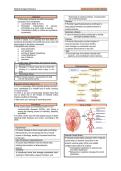
Medical-Surgical Nursing 2 Cardiovascular Accident (Stroke)
Overview thickening of cerebral arteries, increasing the
® Neurologic problems can affect locomotion, risk of atherosclerosis.
perception and coordination. Genetics
o Locomotion: ability to move. ® Familial hypercholesterolemia contributes to
o Perception interpretation of sensory early plaque formation and atherosclerosis in
information (e.g. touch, sight, or sound).
cerebral arteries
o Coordination: ability to control and synthesize
movements. Sedentary Lifestyle
® Lack of physical activity contributes to obesity
Cerebrovascular Accident (CVA) and high cholesterol levels.
® CVA or stroke, is an umbrella term that refers to a Diabetes
functional abnormality of the CNS that occurs when the ® Promote inflammation and the formation of
blood supply to the brain is disrupted. advanced glycation end products (AGEs),
® Symptoms may include: which damages the endothelial lining and
o facial asymmetry accelerate atherosclerosis in the brain.
o arm weakness Age
o slurring of speech (dysarthria) ® As people age, the arteries naturally lose
o visual disturbance elasticity, and endothelial function declines.
o loss of balance
o dizziness
® 2 main types: Hemorrhagic and Ischemic stroke
1. Ischemic Stroke
Pathophysiology
® Blockage in a blood vessel due to a blood clot
resulting in a restricted blood supply to the
brain.
2. Hemorrhagic Stroke
® Blood vessel ruptures, causing blood to leak
into the intracranial cavity.
Transient Ischemic Attack (TIA)
® TIA is a neurologic deficit typically lasting less than 1
hour, manifested by a sudden loss of motor, sensory,
or visual function.
® There is an area of temporarily blocked blood flow
due to blood clot in the middle of cerebral artery,
thereby resulting to blockage.
® May serve as a warning of impending stroke
Prevalence Circle of Willis
® The country faces an increasing burden of non-
communicable diseases (NCDs), and stroke is
among the leading causes of morbidity, disability,
and death.
® In 2020, stroke was the third leading cause of death,
following heart diseases and cancer, according to the
DOH.
Causes
Hypertension
® Causes damage to blood vessel walls, promoting
atherosclerosis, and increasing the risk of vessel
rupture or blockage, leading to impaired blood flow Internal Carotid Artery
to the brain. ® Internal carotid artery occlusion (L/R): if internal
High Cholesterol (Hyperlipidemia) carotid artery is blocked, blood flow to the
® Causes lipid infiltration into the arterial walls, anterior cerebral artery (ACA) and middle
initiating the formation of atherosclerotic cerebral artery (MCA) is reduces.
plaques o Contralateral weakness or sensory loss
Smoking from MCA distribution
o Behavioral or cognitive changes from ACA
® Introduces toxins that damage endothelial cells,
distribution
leading to inflammation, plaque formation, and
By:
, Medical-Surgical Nursing 2 Cardiovascular Accident (Stroke)
Vertebral/Basilar Artery ® Global (mixed) aphasia: Severe impairment
® Supply blood to the posterior cerebral arteries affecting both expression and comprehension.
(PCA) via the basilar artery. 4. Apraxia
® Occlusion of the vertebral artery reduces blood ® Inability to perform a previously learned action,
flow to the brainstem and the occipital lobe (via as many be seen when a patient makes a
PCA) verbal substitution for desired syllables or
o When blocked, cerebellar symptoms: words.
ataxia, dizziness.
o Visual disturbances: occipital lobe, Pathophysiology of Ischemic Stroke
ischemia can lead to vision impairment.
o Brainstem signs: dysphagia, dysarthria or
even coma
Anterior Communicating Artery
® When ACA is occluded, the blood flow between
the left and right anterior cerebral arteries are
compromised.
o Sudden severe headache (often describes
as the worst headache of life)
o Nausea and vomiting
o Neurological deficits depending on the
rupture location.
Posterior Communicating Artery
® When the PCA is occluded, the blood flow
between the posterior cerebral artery (PCA)
and the internal carotid artery (ICA) is
compromised.
o Visual disturbances
o Oculomotor nerve palsy leading to ptosis
vision),
(lazy eye), diplopia (double Pathophysiology of Hemorrhagic Stroke
impaired eye movement.
® Commonly affected artery due to its role in
connecting the internal carotid and
vertebrobasilar circulation.
MOTOR and SENSORY deficits in CVA
1. Ataxia
® neurological symptom characterized by lack of
voluntary movements,
coordination andresulting
controlin unsteady
over gait and
difficulty with tasks requiring fine motor skills.
Dysarthria or Dysphasia
2.
® Caused by paralysis of the muscles responsible
for producing speech, leading to difficulty in moving
the facial muscles or the tongue.
® Speech abnormalities include slowed or slurred Penumbra Region
speech, rapid speech that is difficult to ® The penumbra is the area of brain tissue
understand, monotonous speech, and surrounding the ischemic core in a stroke. It's a
abnormal speech rhythm. region of reversible brain injury that can be
® Voice changes may involve a strained, raspy, or salvaged if blood flow is restored quickly.
nasal-sounding voice, uneven speech volume,
and an inability to speak louder than a whisper
or to project the voice.
Aphasia,
3. which can be:
® Aphasia: A language disorder that affects a
person’s ability to understand or express
themselves verbally or in writing.
® Expressive aphasia: Inability to express
oneself.
® Receptive aphasia: Inability to understand
language.
By:
Overview thickening of cerebral arteries, increasing the
® Neurologic problems can affect locomotion, risk of atherosclerosis.
perception and coordination. Genetics
o Locomotion: ability to move. ® Familial hypercholesterolemia contributes to
o Perception interpretation of sensory early plaque formation and atherosclerosis in
information (e.g. touch, sight, or sound).
cerebral arteries
o Coordination: ability to control and synthesize
movements. Sedentary Lifestyle
® Lack of physical activity contributes to obesity
Cerebrovascular Accident (CVA) and high cholesterol levels.
® CVA or stroke, is an umbrella term that refers to a Diabetes
functional abnormality of the CNS that occurs when the ® Promote inflammation and the formation of
blood supply to the brain is disrupted. advanced glycation end products (AGEs),
® Symptoms may include: which damages the endothelial lining and
o facial asymmetry accelerate atherosclerosis in the brain.
o arm weakness Age
o slurring of speech (dysarthria) ® As people age, the arteries naturally lose
o visual disturbance elasticity, and endothelial function declines.
o loss of balance
o dizziness
® 2 main types: Hemorrhagic and Ischemic stroke
1. Ischemic Stroke
Pathophysiology
® Blockage in a blood vessel due to a blood clot
resulting in a restricted blood supply to the
brain.
2. Hemorrhagic Stroke
® Blood vessel ruptures, causing blood to leak
into the intracranial cavity.
Transient Ischemic Attack (TIA)
® TIA is a neurologic deficit typically lasting less than 1
hour, manifested by a sudden loss of motor, sensory,
or visual function.
® There is an area of temporarily blocked blood flow
due to blood clot in the middle of cerebral artery,
thereby resulting to blockage.
® May serve as a warning of impending stroke
Prevalence Circle of Willis
® The country faces an increasing burden of non-
communicable diseases (NCDs), and stroke is
among the leading causes of morbidity, disability,
and death.
® In 2020, stroke was the third leading cause of death,
following heart diseases and cancer, according to the
DOH.
Causes
Hypertension
® Causes damage to blood vessel walls, promoting
atherosclerosis, and increasing the risk of vessel
rupture or blockage, leading to impaired blood flow Internal Carotid Artery
to the brain. ® Internal carotid artery occlusion (L/R): if internal
High Cholesterol (Hyperlipidemia) carotid artery is blocked, blood flow to the
® Causes lipid infiltration into the arterial walls, anterior cerebral artery (ACA) and middle
initiating the formation of atherosclerotic cerebral artery (MCA) is reduces.
plaques o Contralateral weakness or sensory loss
Smoking from MCA distribution
o Behavioral or cognitive changes from ACA
® Introduces toxins that damage endothelial cells,
distribution
leading to inflammation, plaque formation, and
By:
, Medical-Surgical Nursing 2 Cardiovascular Accident (Stroke)
Vertebral/Basilar Artery ® Global (mixed) aphasia: Severe impairment
® Supply blood to the posterior cerebral arteries affecting both expression and comprehension.
(PCA) via the basilar artery. 4. Apraxia
® Occlusion of the vertebral artery reduces blood ® Inability to perform a previously learned action,
flow to the brainstem and the occipital lobe (via as many be seen when a patient makes a
PCA) verbal substitution for desired syllables or
o When blocked, cerebellar symptoms: words.
ataxia, dizziness.
o Visual disturbances: occipital lobe, Pathophysiology of Ischemic Stroke
ischemia can lead to vision impairment.
o Brainstem signs: dysphagia, dysarthria or
even coma
Anterior Communicating Artery
® When ACA is occluded, the blood flow between
the left and right anterior cerebral arteries are
compromised.
o Sudden severe headache (often describes
as the worst headache of life)
o Nausea and vomiting
o Neurological deficits depending on the
rupture location.
Posterior Communicating Artery
® When the PCA is occluded, the blood flow
between the posterior cerebral artery (PCA)
and the internal carotid artery (ICA) is
compromised.
o Visual disturbances
o Oculomotor nerve palsy leading to ptosis
vision),
(lazy eye), diplopia (double Pathophysiology of Hemorrhagic Stroke
impaired eye movement.
® Commonly affected artery due to its role in
connecting the internal carotid and
vertebrobasilar circulation.
MOTOR and SENSORY deficits in CVA
1. Ataxia
® neurological symptom characterized by lack of
voluntary movements,
coordination andresulting
controlin unsteady
over gait and
difficulty with tasks requiring fine motor skills.
Dysarthria or Dysphasia
2.
® Caused by paralysis of the muscles responsible
for producing speech, leading to difficulty in moving
the facial muscles or the tongue.
® Speech abnormalities include slowed or slurred Penumbra Region
speech, rapid speech that is difficult to ® The penumbra is the area of brain tissue
understand, monotonous speech, and surrounding the ischemic core in a stroke. It's a
abnormal speech rhythm. region of reversible brain injury that can be
® Voice changes may involve a strained, raspy, or salvaged if blood flow is restored quickly.
nasal-sounding voice, uneven speech volume,
and an inability to speak louder than a whisper
or to project the voice.
Aphasia,
3. which can be:
® Aphasia: A language disorder that affects a
person’s ability to understand or express
themselves verbally or in writing.
® Expressive aphasia: Inability to express
oneself.
® Receptive aphasia: Inability to understand
language.
By:


