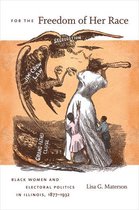
For the Freedom of Her Race: Black Women and Electoral Politics - Introduction - Lisa G. Materson
- ideas of the great northern migration moving from deep south states to northern states for work
prospects
- Deep South saw great social and political turmoil which almost exclusively impacted black people
- Many black people migrated north to find a better life in the belief that people of colour had greater
opportunities in the ever so slightly less racist states in the north
- Often married and started families in these new cities
- Greater freedoms seen for women also in northern states, with Illinois granting women more voting
rights in 1913
- 1877-early 1900s saw the period of the nadir of American race relations wherein racial tensions and
discriminations were the worst they have ever been in American history
- African American women were instrumental in reshaping the party system in america so that it proved
for a greater range of Americans who made up the population of the USA including women and people
of all races
- During reconstruction (1865-77) black men had been able to hold public office
- Although not able to vote themselves, African American women became deeply involved in politics
during this time. Similarly to how white women had become involved in suffrage movements, black
women involved themselves in republic rallying
- The political can be seen to be defined her by having a voice within the law, but also having the
freedom to speak out legally even if your voice doest count for anything in terms of the actual
democratic process
- ‘Freed people… viewed the ballot as owned by the community rather than individuals’ - 6
- This attitude is demonstrative of the activism which was occurring as African American women were
attempting to use their voice to sway the vote of the community as a whole given that their
individual voice did not count at the time
- Elections did however become violent at times with racial tensions rising as the presence of African
American women in particular at polling stations became a source of displeasure and controversy
amongst the white community
- An example was the 1868 elections in Arkansas which resulted in a declaration of martial law in a
response to violent outbreaks across ten different counties
- ‘not all men adhered to the notion that the ballot was collectively owned’ - 7
- Employers, white male ones specifically, would often threaten to fire men who voted for the
republican ticket, and as well as this, in certain circumstances these same employers would pledge
employment opportunities for those who voted democrat - levels of coercion to manipulate
democracy
- ‘Because slavery had muted patriarchy within southern black communities, some African American men
associated their freedom with the ability to establish a patriarchal system’ - 7
- There were clear significant impacts of the behaviour of white slave owners on how some African
American men sought to rebuild their communities, with patriarchal control being one of the main
factors which they felt they needed to adopt in order to gain the same level of social status as a
white man
- The supposed need by African American men to establish male authority in the south meant that
although in some places women were able to attend republican rallies, at many of these events African
American men excluded the women in a bid to raise their social status to that of white men and to build
the same social structures into their communities as they had seen in the white communities that had
controlled the south before
- ‘Through a combination of state-sponsored violence and legislation, white southern Democrats were
well on their way to nullifying the Reconstruction Amendments by the 1890s’ - 8
- ideas of the great northern migration moving from deep south states to northern states for work
prospects
- Deep South saw great social and political turmoil which almost exclusively impacted black people
- Many black people migrated north to find a better life in the belief that people of colour had greater
opportunities in the ever so slightly less racist states in the north
- Often married and started families in these new cities
- Greater freedoms seen for women also in northern states, with Illinois granting women more voting
rights in 1913
- 1877-early 1900s saw the period of the nadir of American race relations wherein racial tensions and
discriminations were the worst they have ever been in American history
- African American women were instrumental in reshaping the party system in america so that it proved
for a greater range of Americans who made up the population of the USA including women and people
of all races
- During reconstruction (1865-77) black men had been able to hold public office
- Although not able to vote themselves, African American women became deeply involved in politics
during this time. Similarly to how white women had become involved in suffrage movements, black
women involved themselves in republic rallying
- The political can be seen to be defined her by having a voice within the law, but also having the
freedom to speak out legally even if your voice doest count for anything in terms of the actual
democratic process
- ‘Freed people… viewed the ballot as owned by the community rather than individuals’ - 6
- This attitude is demonstrative of the activism which was occurring as African American women were
attempting to use their voice to sway the vote of the community as a whole given that their
individual voice did not count at the time
- Elections did however become violent at times with racial tensions rising as the presence of African
American women in particular at polling stations became a source of displeasure and controversy
amongst the white community
- An example was the 1868 elections in Arkansas which resulted in a declaration of martial law in a
response to violent outbreaks across ten different counties
- ‘not all men adhered to the notion that the ballot was collectively owned’ - 7
- Employers, white male ones specifically, would often threaten to fire men who voted for the
republican ticket, and as well as this, in certain circumstances these same employers would pledge
employment opportunities for those who voted democrat - levels of coercion to manipulate
democracy
- ‘Because slavery had muted patriarchy within southern black communities, some African American men
associated their freedom with the ability to establish a patriarchal system’ - 7
- There were clear significant impacts of the behaviour of white slave owners on how some African
American men sought to rebuild their communities, with patriarchal control being one of the main
factors which they felt they needed to adopt in order to gain the same level of social status as a
white man
- The supposed need by African American men to establish male authority in the south meant that
although in some places women were able to attend republican rallies, at many of these events African
American men excluded the women in a bid to raise their social status to that of white men and to build
the same social structures into their communities as they had seen in the white communities that had
controlled the south before
- ‘Through a combination of state-sponsored violence and legislation, white southern Democrats were
well on their way to nullifying the Reconstruction Amendments by the 1890s’ - 8