African-American Women’s Networks in the Anti-Lynching Crusade by Rosalyn Terborg-Penn
References
Footnotes - Rosalyn Terborg-Penn, ‘African-American Women’s Networks in the Anti-Lynching Crusade’ in
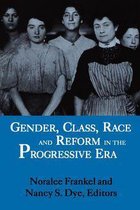
Gender, Class, Race, and reform in the Progressive Era edited by Noralee Frankel and Nancy S. Dye,
(Lexington: University Press of Kentucky, 1991), 148-161.
Bibliography - Terborg-Penn, Rosalyn. “African-American Women’s Networks in the Anti-Lynching
Crusade” In Gender, Class, Race, and reform in the Progressive Era, edited by Noralee Frankel and Nancy
S. Dye, 148-161. Lexington: University Press of Kentucky, 1991
Notes and Quotes
- The worst period of lynchings in the USA occurred at the same time as the progressive movement,
meaning that black women’s position was divided by their gender and racial rights being advanced at
different rates
- ‘the anti-lynching crusaders never attained their political goal: congressional legislation making lynching
a federal offence.’ - 148
- Demonstrates that racial equality amongst other aspects of the progressive movement stemmed from
social change rather than legislative change, with white people eventually coming to see lynching as
a terrible act of racial violence, despite a lack of anti-lynching legislative intervention
- ‘African-American women mounted strategies that included raising funds to publish pamphlets and
assist agents like Wells to travel abroad to publicize the horrors of lynch law’ - 149-50
- It could be argued that women had a more active attitude to campaigning against lynching due to
their combined struggle of gender and racial equality giving them more drive to seek social equality
- ‘the first national African-American women's organization, the National Federation of Afro-American
Women, developed anti-lynching strategies’ - 150
- Again demonstrates that women were active in their attitudes to racial reform, forming separate
movements to further advance their cause
- ‘During the first forty years of the lynching era, the major justification given for lynching was to punish
black men for raping white women. Throughout the anti-lynching campaign, African-American women
refuted these charges and argued that lynching was motivated by white attempts to intimidate blacks in
order to keep them in their social and economic “place.”' - 150
- This demonstrates that racial inequalities were furthered by encouraging white people to fear black
people, viewing them as innately violent and dangerous, despite these claims of violence towards
white women in particular not always being accurate
- ‘African-American women dramatized the fact that black women were often victims of lynch mobs.’ -
150
- This was done in an attempt to draw attention away from the idea that lynching was a punishment for
Black men raping white women, demonstrating the vital role of women in altering social attitudes to
lynchings
- Terborg-Penn makes an interesting point that there were fewer reports on female lynchings than male
ones, perhaps contributing to the social climate which supported the falsity that lynching was a
punishment saved for black men who had raped white women
- Wells-Barnett argued that ‘whites deluded themselves and the world about the true reasons blacks were
lynched, asserting that "nobody really believed the lie that colored men really rape white women." If
whites did believe this rationalization for lynching, Wells queried, what was their justification for the
lynching of women?’ - 152
References
Footnotes - Rosalyn Terborg-Penn, ‘African-American Women’s Networks in the Anti-Lynching Crusade’ in
Gender, Class, Race, and reform in the Progressive Era edited by Noralee Frankel and Nancy S. Dye,
(Lexington: University Press of Kentucky, 1991), 148-161.
Bibliography - Terborg-Penn, Rosalyn. “African-American Women’s Networks in the Anti-Lynching
Crusade” In Gender, Class, Race, and reform in the Progressive Era, edited by Noralee Frankel and Nancy
S. Dye, 148-161. Lexington: University Press of Kentucky, 1991
Notes and Quotes
- The worst period of lynchings in the USA occurred at the same time as the progressive movement,
meaning that black women’s position was divided by their gender and racial rights being advanced at
different rates
- ‘the anti-lynching crusaders never attained their political goal: congressional legislation making lynching
a federal offence.’ - 148
- Demonstrates that racial equality amongst other aspects of the progressive movement stemmed from
social change rather than legislative change, with white people eventually coming to see lynching as
a terrible act of racial violence, despite a lack of anti-lynching legislative intervention
- ‘African-American women mounted strategies that included raising funds to publish pamphlets and
assist agents like Wells to travel abroad to publicize the horrors of lynch law’ - 149-50
- It could be argued that women had a more active attitude to campaigning against lynching due to
their combined struggle of gender and racial equality giving them more drive to seek social equality
- ‘the first national African-American women's organization, the National Federation of Afro-American
Women, developed anti-lynching strategies’ - 150
- Again demonstrates that women were active in their attitudes to racial reform, forming separate
movements to further advance their cause
- ‘During the first forty years of the lynching era, the major justification given for lynching was to punish
black men for raping white women. Throughout the anti-lynching campaign, African-American women
refuted these charges and argued that lynching was motivated by white attempts to intimidate blacks in
order to keep them in their social and economic “place.”' - 150
- This demonstrates that racial inequalities were furthered by encouraging white people to fear black
people, viewing them as innately violent and dangerous, despite these claims of violence towards
white women in particular not always being accurate
- ‘African-American women dramatized the fact that black women were often victims of lynch mobs.’ -
150
- This was done in an attempt to draw attention away from the idea that lynching was a punishment for
Black men raping white women, demonstrating the vital role of women in altering social attitudes to
lynchings
- Terborg-Penn makes an interesting point that there were fewer reports on female lynchings than male
ones, perhaps contributing to the social climate which supported the falsity that lynching was a
punishment saved for black men who had raped white women
- Wells-Barnett argued that ‘whites deluded themselves and the world about the true reasons blacks were
lynched, asserting that "nobody really believed the lie that colored men really rape white women." If
whites did believe this rationalization for lynching, Wells queried, what was their justification for the
lynching of women?’ - 152