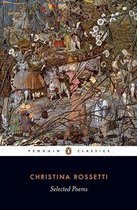
The Life of Christina Rossetti
Key Events of her life - family, education, religion, mental health, engagements, romantic
relationships, sickness, death
Family
Christina Rossetti was born in London, to Gabriele Rossetti,
who was a poet and a political exile from Vasto, Abruzzo,
since 1824 and Frances Polidori, the sister of John William
Polidori She had two brothers and a sister: Dante Gabriel
Rossetti became a successful artist and poet, and William
and Maria both became writers. Christina was the youngest
of the siblings and was a lively child. The family home
in Bloomsbury, on Charlotte Street, was very close
to Madam Tussauds and the London Zoo, as well as the
newly opened Regent’s Park, which she visited regularly.
Unlike her parents, Christina Rossetti was very much a
London child.
In the 1840s, her family faced serious financial difficulties as a result of her father's worsening
physical and mental health. In 1843, he was diagnosed with persistent bronchitis, tuberculosis,
and was losing his sight. He gave up his teaching post at King's College and, despite living for
another 11 years, he suffered from depression and was never physically well again. Christina’s
mother began teaching to provide for the family and Maria became a live-in
governess. At this time her brother William was working for the Excise Office
and Dante Gabriel was at art school, leaving Christina quite isolated at home.
Rossetti sat for several of Dante Gabriel Rossetti's most famous paintings. In
1848, she was the model for the Virgin Mary in his first completed oil painting
entitled ‘The Girlhood of Mary Virgin’ and the first work to be inscribed with
the initials ‘PRB’, signifying the Pre-Raphaelite Brotherhood. The following
year she posed for his depiction of the Annunciation, ‘Ecce Ancilla Domini’
which was line from her poem ‘Who shall deliver me?’ This poem was inspired
the famous painting by Khnopff entitled ‘I lock my door upon myself’ In 1849
she became seriously ill again, suffering from depression and around 1857 she
had a major religious crisis.
Education
She dictated her first ever story to her mother before she had even learned how to write. Christina
was educated at home by her mother and father, who had her study religious works, classics, fairy
tales and novels. She enjoyed the works of John Keats, Walter Scott, Ann Radcliffe and Matthew
Lewis. The works of Dante Alighieri, Petrarch and other Italian writers also had a impact on her
later writing. Christina was ambivalent about women’s suffrage despite the feminist themes seen
in her poetry. She was very much opposed to slavery in the American South, as well as cruelty to
animals , and the exploitation of girls in under-age prostitution.
Mental Illness
When she was 14, Christina suffered a nervous breakdown and left school. She subsequently
suffered from periods of depression and other related illnesses. During this time Christina, her
, mother and her sister became absorbed in the Anglo-Catholic movement that developed in the
Church of England. Christina’s devotion to her religion would come to have a major role in her life.
Romantic Relationships
In her late teenage years, Christina became engaged to the painter James Collinson, the first of
her three suitors. He was, like her brothers Dante and William, one of the founding members of
the artistic group, the Pre-Raphaelite Brotherhood, which was founded in 1848. Their engagement
was broken in 1850 when he reverted to Catholicism. In 1853, when the Rossetti family was in
continuing financial difficulties, Christina helped her mother keep a school in Fromefield but it was
unfortunately not a success and so in 1854 both Christina and her mother returned to London,
where Christina’s father died. Christina later became involved with the linguist Charles Cayley, but
did not marry him due to religious differences. The third offer for marriage came from the
painter John Brett, who she similarly refused.
Illness and Death
In her later life, Rossetti suffered from Grave’s disease, which she was diagnosed with in 1872,
suffering a nearly fatal attack in the early 1870s. In 1893, she developed breast cancer and
although the tumour was removed, she had a recurrence in late 1894. She died in Bloomsbury on
29 December 1894 and was buried in Highgate Cemetary. The place where she died, in
Torrington Square, is marked with a stone tablet.
Rossetti’s Father and his involvement in Italian Politics
Gabriele Rossetti was born in Vasto in the Kingdom of the Two Sicilies.
Throughout his early career, he published poems that were considered
‘patriotic' and supported the ‘popular movement’ in Sicily which resulted
in him receiving a grant from Ferdinand I of the Two Sicilies in 1820. When
the king revoked the constitution in 1821, many of its supporters were
persecuted, however Gabriele was instead forced into exile in Malta for
three years before a British admiral sent Rossetti to London in 1824.
Rossetti’s writing
Rossetti began writing down and dating her poems from 1842, with most of these imitating her
favourite poets. In 1847 she began experimenting with verse forms such as sonnets, hymns
and ballads, while taking influence for her stories from the Bible, folk tales and the lives of saints.
Her early pieces often feature meditations on death and loss, in the Romantic literary tradition.
She published her first two poems "Death's Chill Between” and "Heart's Chill Between" in
the Athenaeum in 1848, when she was 18. Under the pseudonym ‘Ellen Alleyne’ she wrote for the
magazine ‘The Germ’, published by the Pre-Raphaelites, from January to April 1850. This marked
the beginning of her public career.
Rossetti's most famous collection, ‘Goblin Market and
Other Poems’ was published in 1862, when she was 31.
It received very widespread critical praise, establishing
her as the foremost female poet at the time. Her work
was praised by the likes of Tennyson and Swinburne, and
after the death of Elizabeth Barrett Browning in 1861
Rossetti was hailed as her natural successor. Goblin
Key Events of her life - family, education, religion, mental health, engagements, romantic
relationships, sickness, death
Family
Christina Rossetti was born in London, to Gabriele Rossetti,
who was a poet and a political exile from Vasto, Abruzzo,
since 1824 and Frances Polidori, the sister of John William
Polidori She had two brothers and a sister: Dante Gabriel
Rossetti became a successful artist and poet, and William
and Maria both became writers. Christina was the youngest
of the siblings and was a lively child. The family home
in Bloomsbury, on Charlotte Street, was very close
to Madam Tussauds and the London Zoo, as well as the
newly opened Regent’s Park, which she visited regularly.
Unlike her parents, Christina Rossetti was very much a
London child.
In the 1840s, her family faced serious financial difficulties as a result of her father's worsening
physical and mental health. In 1843, he was diagnosed with persistent bronchitis, tuberculosis,
and was losing his sight. He gave up his teaching post at King's College and, despite living for
another 11 years, he suffered from depression and was never physically well again. Christina’s
mother began teaching to provide for the family and Maria became a live-in
governess. At this time her brother William was working for the Excise Office
and Dante Gabriel was at art school, leaving Christina quite isolated at home.
Rossetti sat for several of Dante Gabriel Rossetti's most famous paintings. In
1848, she was the model for the Virgin Mary in his first completed oil painting
entitled ‘The Girlhood of Mary Virgin’ and the first work to be inscribed with
the initials ‘PRB’, signifying the Pre-Raphaelite Brotherhood. The following
year she posed for his depiction of the Annunciation, ‘Ecce Ancilla Domini’
which was line from her poem ‘Who shall deliver me?’ This poem was inspired
the famous painting by Khnopff entitled ‘I lock my door upon myself’ In 1849
she became seriously ill again, suffering from depression and around 1857 she
had a major religious crisis.
Education
She dictated her first ever story to her mother before she had even learned how to write. Christina
was educated at home by her mother and father, who had her study religious works, classics, fairy
tales and novels. She enjoyed the works of John Keats, Walter Scott, Ann Radcliffe and Matthew
Lewis. The works of Dante Alighieri, Petrarch and other Italian writers also had a impact on her
later writing. Christina was ambivalent about women’s suffrage despite the feminist themes seen
in her poetry. She was very much opposed to slavery in the American South, as well as cruelty to
animals , and the exploitation of girls in under-age prostitution.
Mental Illness
When she was 14, Christina suffered a nervous breakdown and left school. She subsequently
suffered from periods of depression and other related illnesses. During this time Christina, her
, mother and her sister became absorbed in the Anglo-Catholic movement that developed in the
Church of England. Christina’s devotion to her religion would come to have a major role in her life.
Romantic Relationships
In her late teenage years, Christina became engaged to the painter James Collinson, the first of
her three suitors. He was, like her brothers Dante and William, one of the founding members of
the artistic group, the Pre-Raphaelite Brotherhood, which was founded in 1848. Their engagement
was broken in 1850 when he reverted to Catholicism. In 1853, when the Rossetti family was in
continuing financial difficulties, Christina helped her mother keep a school in Fromefield but it was
unfortunately not a success and so in 1854 both Christina and her mother returned to London,
where Christina’s father died. Christina later became involved with the linguist Charles Cayley, but
did not marry him due to religious differences. The third offer for marriage came from the
painter John Brett, who she similarly refused.
Illness and Death
In her later life, Rossetti suffered from Grave’s disease, which she was diagnosed with in 1872,
suffering a nearly fatal attack in the early 1870s. In 1893, she developed breast cancer and
although the tumour was removed, she had a recurrence in late 1894. She died in Bloomsbury on
29 December 1894 and was buried in Highgate Cemetary. The place where she died, in
Torrington Square, is marked with a stone tablet.
Rossetti’s Father and his involvement in Italian Politics
Gabriele Rossetti was born in Vasto in the Kingdom of the Two Sicilies.
Throughout his early career, he published poems that were considered
‘patriotic' and supported the ‘popular movement’ in Sicily which resulted
in him receiving a grant from Ferdinand I of the Two Sicilies in 1820. When
the king revoked the constitution in 1821, many of its supporters were
persecuted, however Gabriele was instead forced into exile in Malta for
three years before a British admiral sent Rossetti to London in 1824.
Rossetti’s writing
Rossetti began writing down and dating her poems from 1842, with most of these imitating her
favourite poets. In 1847 she began experimenting with verse forms such as sonnets, hymns
and ballads, while taking influence for her stories from the Bible, folk tales and the lives of saints.
Her early pieces often feature meditations on death and loss, in the Romantic literary tradition.
She published her first two poems "Death's Chill Between” and "Heart's Chill Between" in
the Athenaeum in 1848, when she was 18. Under the pseudonym ‘Ellen Alleyne’ she wrote for the
magazine ‘The Germ’, published by the Pre-Raphaelites, from January to April 1850. This marked
the beginning of her public career.
Rossetti's most famous collection, ‘Goblin Market and
Other Poems’ was published in 1862, when she was 31.
It received very widespread critical praise, establishing
her as the foremost female poet at the time. Her work
was praised by the likes of Tennyson and Swinburne, and
after the death of Elizabeth Barrett Browning in 1861
Rossetti was hailed as her natural successor. Goblin