

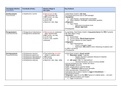
Trematode Infection Trematode (Fluke) Infective Stage & Key Features
โรคพยาธิใบไม้ Life Cycle
Opisthorchiasis ● Opisthorchis viverrini ● Metacercaria in fish ● Adult flukes inhabit in bile duct
โรคพยาธิใบไมต
้ ับ → Raw freshwater fish ● Cholangiocarcinoma (due to DNA damage)
● DH: human, cat ,dog ● Symptoms
● 1st IH: snail 1) Light infection: asymptomatic eosinophilia
● 2nd IH: fish 2) Heavy infection: cholangitis, cholecystitis, jaundice
● Reservoir: cats, dogs ● Diagnosis:
1) Egg in feces
○ Operculum & posterior knob
○ Electric light bulb
● Praziquantel
Paragonimiasis ● Paragonimus heterotremus ● Metacercaria in crustacean ● Lung flukes: Adult flukes inhabit in lung parenchyma (the ONLY parasite
โรคพยาธิใบไมใ้ นปอด ● Paragonimus westermani → Raw crayfish/crabs with adult stage in lung)
● DH: human, cat, dog ● Symptoms
● 1st IH: snail 1) Acute phase:
● 2nd IH: crab, crayfish, 2) Chronic phase: Blood-tinged sputum
crustacean 3) Ectopic infection (to other organs)
● Diagnosis:
1) Egg in feces/sputum
○ Ovoid or elongate, bigger
○ Operculum, NO posterior knob, thickening of posterior end
● Loffler’s syndrome
● Praziquantel
Schistosomiasis ● Schistosoma mansoni ● Free-swimming cercariae ● Adult flukes inhabit in blood vessels
โรคพยาธิใบไมใ้ นเลือด ● Schistosoma japonicum → Water in endemic area 1) Mesentery vessel: 4 species
● Schistosoma haematobium ● DH: human ○ Hepatic (Symmer’s pipestem fibrosis) & intestinal
● Schistosoma intercalatum ● 1st IH: snail schistosomiasis
● Schistosoma mekongi ● Reservoir: cats, dogs, cattle 2) UB vessel: ONLY S. haematobium
○ Terminal hematuria, cancer of urinary bladder
● Animal Schistosoma spp. causes skin lesion
● Boat-shaped, dioecious
● Male: gynaecophoric canal for female
● Rash → Swimmer’s itch/cercarial dermatitis
● Most asymptomatic, Katayama fever
● Symptoms due to body’s reaction to eggs in bloodstream →
granulomatous lesions
● Diagnosis: eggs มีหนาม (the ONLY genus w/ a lateral spine) → but each
species different locations and shapes
1) Eggs in feces/urine
, ○ S. masoni: lateral spine
○ S. japonicum & S. mekongi: small lateral knob
○ S. haematobium & S. intercalatum: terminal spine
● Praziquantel
Cestode Infection Cestode (Tapeworm) Infective Stage Key Features
โรคพยาธิตัวตืด
Taeniasis ● Taenia solium (pork ● T. solium: Cysticercus *Eat raw pork & beef with cysticercus → become adult stage in body → lay eggs that come out
with feces
tapeworm) cellulosae ● Head (attach to human tissue) Neck (make proglottid) P roglottid (Immature: just made /
โรคพยาธิตืดหมู ● T. saginata: Cysticercus ravid: reproduce & filled w/ eggs)
Mature: push out old / G
● Taenia saginata (beef bovis ● Usually no to mild symptoms: abdominal pain, loss of appetite, weight loss,
tapeworm) → Raw pork/beef w/ upset stomach
โรคพยาธิตืดวัว cysticercus ● T. saginata larger size → more symptoms
● DH: Human ● Taeniasis can be accompanied by cysticercosis ← feces w/ eggs get back
● IH: pig/cattle into intestine
● Diagnosis:
1) Eggs in feces
○ Thick wall with radial structure
○ Fine adjustment: Rostellum
2) Gravid segments in feces
● Praziquantel
● Cook meat to safe temperatures
Cysticercosis ● Taenia solium ● Eggs *Eat vegetables with eggs → become cysticercus in body → remain in muscles (DO NOT
produce eggs bcuz they cannot become adults)
→ Food w/ eggs of T. solium
● Calcified cysticerci seen w/ imaging techniques
● Symptoms
1) Asymptomatic
2) Neurocysticercosis (cysticercus in brain) → ALWAYS present w/
epilepsy, meningitis, encephalitis, increased intracranial pressure,
etc.
3) Ocular cysticercosis (cysticercus in eye) → mass on lid or
subconjunctiva
● Diagnosis:
1) Cysticercus cellulosae in tissue
○ CT/MRI
● Albendazole, corticosteroid therapy; surgical removal
● Wash, peel, cook all raw veggies and fruits before eating
โรคพยาธิใบไม้ Life Cycle
Opisthorchiasis ● Opisthorchis viverrini ● Metacercaria in fish ● Adult flukes inhabit in bile duct
โรคพยาธิใบไมต
้ ับ → Raw freshwater fish ● Cholangiocarcinoma (due to DNA damage)
● DH: human, cat ,dog ● Symptoms
● 1st IH: snail 1) Light infection: asymptomatic eosinophilia
● 2nd IH: fish 2) Heavy infection: cholangitis, cholecystitis, jaundice
● Reservoir: cats, dogs ● Diagnosis:
1) Egg in feces
○ Operculum & posterior knob
○ Electric light bulb
● Praziquantel
Paragonimiasis ● Paragonimus heterotremus ● Metacercaria in crustacean ● Lung flukes: Adult flukes inhabit in lung parenchyma (the ONLY parasite
โรคพยาธิใบไมใ้ นปอด ● Paragonimus westermani → Raw crayfish/crabs with adult stage in lung)
● DH: human, cat, dog ● Symptoms
● 1st IH: snail 1) Acute phase:
● 2nd IH: crab, crayfish, 2) Chronic phase: Blood-tinged sputum
crustacean 3) Ectopic infection (to other organs)
● Diagnosis:
1) Egg in feces/sputum
○ Ovoid or elongate, bigger
○ Operculum, NO posterior knob, thickening of posterior end
● Loffler’s syndrome
● Praziquantel
Schistosomiasis ● Schistosoma mansoni ● Free-swimming cercariae ● Adult flukes inhabit in blood vessels
โรคพยาธิใบไมใ้ นเลือด ● Schistosoma japonicum → Water in endemic area 1) Mesentery vessel: 4 species
● Schistosoma haematobium ● DH: human ○ Hepatic (Symmer’s pipestem fibrosis) & intestinal
● Schistosoma intercalatum ● 1st IH: snail schistosomiasis
● Schistosoma mekongi ● Reservoir: cats, dogs, cattle 2) UB vessel: ONLY S. haematobium
○ Terminal hematuria, cancer of urinary bladder
● Animal Schistosoma spp. causes skin lesion
● Boat-shaped, dioecious
● Male: gynaecophoric canal for female
● Rash → Swimmer’s itch/cercarial dermatitis
● Most asymptomatic, Katayama fever
● Symptoms due to body’s reaction to eggs in bloodstream →
granulomatous lesions
● Diagnosis: eggs มีหนาม (the ONLY genus w/ a lateral spine) → but each
species different locations and shapes
1) Eggs in feces/urine
, ○ S. masoni: lateral spine
○ S. japonicum & S. mekongi: small lateral knob
○ S. haematobium & S. intercalatum: terminal spine
● Praziquantel
Cestode Infection Cestode (Tapeworm) Infective Stage Key Features
โรคพยาธิตัวตืด
Taeniasis ● Taenia solium (pork ● T. solium: Cysticercus *Eat raw pork & beef with cysticercus → become adult stage in body → lay eggs that come out
with feces
tapeworm) cellulosae ● Head (attach to human tissue) Neck (make proglottid) P roglottid (Immature: just made /
โรคพยาธิตืดหมู ● T. saginata: Cysticercus ravid: reproduce & filled w/ eggs)
Mature: push out old / G
● Taenia saginata (beef bovis ● Usually no to mild symptoms: abdominal pain, loss of appetite, weight loss,
tapeworm) → Raw pork/beef w/ upset stomach
โรคพยาธิตืดวัว cysticercus ● T. saginata larger size → more symptoms
● DH: Human ● Taeniasis can be accompanied by cysticercosis ← feces w/ eggs get back
● IH: pig/cattle into intestine
● Diagnosis:
1) Eggs in feces
○ Thick wall with radial structure
○ Fine adjustment: Rostellum
2) Gravid segments in feces
● Praziquantel
● Cook meat to safe temperatures
Cysticercosis ● Taenia solium ● Eggs *Eat vegetables with eggs → become cysticercus in body → remain in muscles (DO NOT
produce eggs bcuz they cannot become adults)
→ Food w/ eggs of T. solium
● Calcified cysticerci seen w/ imaging techniques
● Symptoms
1) Asymptomatic
2) Neurocysticercosis (cysticercus in brain) → ALWAYS present w/
epilepsy, meningitis, encephalitis, increased intracranial pressure,
etc.
3) Ocular cysticercosis (cysticercus in eye) → mass on lid or
subconjunctiva
● Diagnosis:
1) Cysticercus cellulosae in tissue
○ CT/MRI
● Albendazole, corticosteroid therapy; surgical removal
● Wash, peel, cook all raw veggies and fruits before eating


