

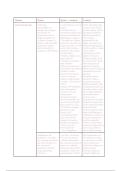
Themes Points Quotes + Analysis Context
Generational gaps influences ’Look Mummy, isn’t it In the Edwardian Era,
susceptibility to pretty?’ women were valued
change, the younger ; Childish tone of for their looks, which
generation are excitement reflects her has been instilled in
presented as more naivety and sheltered Sheila from before.
impressionable and upbringing as upper-c The younger
willing to change, I.e ; The adjective ‘pretty’ generation of the
Sheila, while the older shows her attraction to upper class had very
generation remain material goods, as well sheltered upbringings
static and refuse to as how she has been which could be a main
change, I.e Mr Birling raised to value things cause to their
on their looks. unawareness of the
‘Mother, I think it was plight of the poor.
cruel and vile.’ Women & girls were
; Change to a formal not expected to speak
tone ‘Mother’ back to parents or
reflecting maturity & question authority,
she presents her ability Sheila subverts typical
to think & make standards of girls at
decisions for herself, the time.
so not as naive as Priestley used an
audience had thought Inspector Calls to
‘Cranks’ ‘Like bees in preach the message
a hive.’ about socialism to the
; Depicts Mr Birling's younger generation as
clear dismissal of he believed they were
socialist views by more impressionable
calling them and could reform
derogatory insults, society’s new
also conveys they are generations to become
of a hive-mind which mobile in comparison
likens them to a cult to the rigid Edwardian
‘the famous younger classist society.
generation, who Priestley purposefully
knows it all.’ depicts Mr Birling as
; patronising tone is unlikeable to make us
very ironic as his associate annoyance
character is narrow with his capitalist
minded and ignorant beliefs and therefore
‘There you are!… reject his ideals and be
Proof positive!’ more susceptible to
; very triumphant his socialist message.
Attitudes to the ’you fool - he knows, The omniscience of
Inspector’s message: of course he knows.’ the inspector is used
the younger generation ; Sheila understands to convey his as God,
are more receptive to the omniscient traits of which could more
the concept of Inspector, realising effectively influence a
socialism while the lying and rejecting his predominantly
older generation message is futile, she Christian audience.
rejects it instead aligns with his Despite ruthlessly
, views and becomes a exploiting the lower
vehicle to spread his class, the upper class
social ideals further. capitalists were not
‘You mustn’t try to willing to associate
build a wall between themselves with
us and that girl.’ anyone poor / Eva.
; Direct address shows Sheila being the
Sheila’s conscience is youngest yet changing
developing from the most is supposed
earlier, and she is able to influence
to tell when something Priestley’s more
is clearly wrong such youthful audience as
as the treatment of Eva they would be more
Smith by them. receptive to Goole.
‘look here, Inspector’ Many inspectors were
; the imperative ‘look’ corrupt and easily
is used in a futile bribed to protect the
attempt to reinstate his reputation of anyone
authority to the involved - Arthur is
Inspector as he doesn’t dumbfounded by the
want him to damage lack of corruption of
his reputation the inspector
They all mistreated ‘I can’t accept any Many upper class men
Eva in attempt to save responsibility.’ like Gerald paid for
their reputation, as ; despite clearly being prostitution in bars,
well as initially try to partially to blame for however kept it secret
deny any involvement Eva Smith’s death, Mr as it could damage
Birling refuses to take their reputation.
any accountability in Women were
an attempt to uphold exploited and used in
his reputation. the Edwardian Era for
‘I insisted on a parting sexual gratification
gift of enough money.’ Being drunk was seen
; euphemism to pay as disreputable in the
for prostitution, Gerald Edwardian Era.
attempts to make his Eric’s actions were a
sexual objectification result of being
of Eva look like a exposed to the
transaction mistreatment of
‘I was in that state women by those
where a chap easily around him - Priestley
turns nasty.’ shows the importance
; Eric tries to of how our actions
downplay his rape of influence those that
Eva, by blaming it on are around us, through
his intoxication. the character of Eric
Mr Birling - Mr Birling initially is ’to lower costs and Priestley sets the play
patriarchal society; presented to exploit higher prices.’ in 1912 while
male attitudes the women around him ; takes place during publishing it in 1945
towards women for monetary gain Sheila’s engagement as he wants to present
party - he is so how society has
consumed with his somewhat changed for
wealth and money that the better as well as
Generational gaps influences ’Look Mummy, isn’t it In the Edwardian Era,
susceptibility to pretty?’ women were valued
change, the younger ; Childish tone of for their looks, which
generation are excitement reflects her has been instilled in
presented as more naivety and sheltered Sheila from before.
impressionable and upbringing as upper-c The younger
willing to change, I.e ; The adjective ‘pretty’ generation of the
Sheila, while the older shows her attraction to upper class had very
generation remain material goods, as well sheltered upbringings
static and refuse to as how she has been which could be a main
change, I.e Mr Birling raised to value things cause to their
on their looks. unawareness of the
‘Mother, I think it was plight of the poor.
cruel and vile.’ Women & girls were
; Change to a formal not expected to speak
tone ‘Mother’ back to parents or
reflecting maturity & question authority,
she presents her ability Sheila subverts typical
to think & make standards of girls at
decisions for herself, the time.
so not as naive as Priestley used an
audience had thought Inspector Calls to
‘Cranks’ ‘Like bees in preach the message
a hive.’ about socialism to the
; Depicts Mr Birling's younger generation as
clear dismissal of he believed they were
socialist views by more impressionable
calling them and could reform
derogatory insults, society’s new
also conveys they are generations to become
of a hive-mind which mobile in comparison
likens them to a cult to the rigid Edwardian
‘the famous younger classist society.
generation, who Priestley purposefully
knows it all.’ depicts Mr Birling as
; patronising tone is unlikeable to make us
very ironic as his associate annoyance
character is narrow with his capitalist
minded and ignorant beliefs and therefore
‘There you are!… reject his ideals and be
Proof positive!’ more susceptible to
; very triumphant his socialist message.
Attitudes to the ’you fool - he knows, The omniscience of
Inspector’s message: of course he knows.’ the inspector is used
the younger generation ; Sheila understands to convey his as God,
are more receptive to the omniscient traits of which could more
the concept of Inspector, realising effectively influence a
socialism while the lying and rejecting his predominantly
older generation message is futile, she Christian audience.
rejects it instead aligns with his Despite ruthlessly
, views and becomes a exploiting the lower
vehicle to spread his class, the upper class
social ideals further. capitalists were not
‘You mustn’t try to willing to associate
build a wall between themselves with
us and that girl.’ anyone poor / Eva.
; Direct address shows Sheila being the
Sheila’s conscience is youngest yet changing
developing from the most is supposed
earlier, and she is able to influence
to tell when something Priestley’s more
is clearly wrong such youthful audience as
as the treatment of Eva they would be more
Smith by them. receptive to Goole.
‘look here, Inspector’ Many inspectors were
; the imperative ‘look’ corrupt and easily
is used in a futile bribed to protect the
attempt to reinstate his reputation of anyone
authority to the involved - Arthur is
Inspector as he doesn’t dumbfounded by the
want him to damage lack of corruption of
his reputation the inspector
They all mistreated ‘I can’t accept any Many upper class men
Eva in attempt to save responsibility.’ like Gerald paid for
their reputation, as ; despite clearly being prostitution in bars,
well as initially try to partially to blame for however kept it secret
deny any involvement Eva Smith’s death, Mr as it could damage
Birling refuses to take their reputation.
any accountability in Women were
an attempt to uphold exploited and used in
his reputation. the Edwardian Era for
‘I insisted on a parting sexual gratification
gift of enough money.’ Being drunk was seen
; euphemism to pay as disreputable in the
for prostitution, Gerald Edwardian Era.
attempts to make his Eric’s actions were a
sexual objectification result of being
of Eva look like a exposed to the
transaction mistreatment of
‘I was in that state women by those
where a chap easily around him - Priestley
turns nasty.’ shows the importance
; Eric tries to of how our actions
downplay his rape of influence those that
Eva, by blaming it on are around us, through
his intoxication. the character of Eric
Mr Birling - Mr Birling initially is ’to lower costs and Priestley sets the play
patriarchal society; presented to exploit higher prices.’ in 1912 while
male attitudes the women around him ; takes place during publishing it in 1945
towards women for monetary gain Sheila’s engagement as he wants to present
party - he is so how society has
consumed with his somewhat changed for
wealth and money that the better as well as


