The Business Cycle
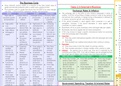
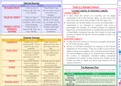
Gross domestic product (GDP) is a measure of the total market value of The
goods and services produced within a nation over a period of time. Topic 2.5 External Influences can
The business cycle is a graph that shows how the GDP of an area changes com
over time – it shows booms, recessions, slumps, and recoveries. Exchange Rates & Inflation to o
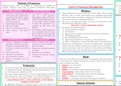
BOOM RECESSION SLUMP RECOVERY The exchange rate is the price of one currency expressed in terms of
Ther
High rates of Output starts to Prolonged period Economy starts another. A UK firm will purchase a foreign currency in order to buy products
and services from overseas. It change owing to fluctuations in demand for chan
economic growth fall, growth of economic to pick up after
a currency, economic growth, and interest rates. and
and production decline decline a period of
decline If the pound increases in value against other currencies it is said to
strengthen. However, if the pound decreases in value against other
High profits Production High levels of Increasing
declines as unemployment consumer currencies it is said to weaken.
Low
unemployment demand falls High rates of confidence Businesses will try to avoid uncertainty when exchange rates are volatile.
High inflation Governments business Firms start Businesses may set an agreed rate for future transactions.
Shortages in use policies failure/closure to invest or A firm may choose to target a specific international market (or economy)
supply to stimulate Low interest take on new when the exchange rate is favourable.
growth. rates employees Importers
Consumer Low levels of Spare They may switch international suppliers when the exchange rate is less
and firm spending and capacity is favourable. Firm
confidence investment used up They stockpile raw material and products when currency is strong. can
starts to fall. Exporters Com
Firms make Expansion Firms adopt a New firms They lower prices to limit the impact of a strong currency.
strategic plans are strategy of start-ups They increase promotion in foreign markets when currency is weak.
decision to ‘shelved’. rationalisation. emerge. Inflation – the general rise in prices over time and is measured by the
consumer price index (CPI). A low rate of inflation can be managed by firms
expand into Market Functional Business
new markets but a high rate of inflation will increase costs and reduce demand.
penetration decisions may investment
through strategies include rises – HIGH INFLATION LOW INFLATION DEFLATION
market become redundancies, product Firms may increase Firms feel confident Firms may struggle High
development. more scale down of development prices to pass costs in a stable to pay debts – actin
Functional attractive as production strategy. on to consumers or economic assets may have to The
decision to they are low and reduction Firms take decide to absorb environment. be sold to pay off is no
expand risk. in capacity. on new the cost rises. Firms may look to debts if deflation ther
workforce or Firm Firms reduce employees Firms will look to invest and grow. persists. can
increase stockpile prices and and increase reduce internal Low demand may Ther
recruitment. products. focus on their contracts to costs to protect lead to depe
Firms seek Functions try most meet growth profits. redundancies and
opportunities to increase profitable in demand. Price rises may fuel rationalisation.
for efficiencies efficiency product lines. Functional further inflation. Wid
and cost and cut Firms may decisions Les
reductions as costs, e.g. decide to focus on Government Spending, Taxation & Interest Rates ma
a result of
flexible cease trading ways to Mo
Gross domestic product (GDP) is a measure of the total market value of The
goods and services produced within a nation over a period of time. Topic 2.5 External Influences can
The business cycle is a graph that shows how the GDP of an area changes com
over time – it shows booms, recessions, slumps, and recoveries. Exchange Rates & Inflation to o
BOOM RECESSION SLUMP RECOVERY The exchange rate is the price of one currency expressed in terms of
Ther
High rates of Output starts to Prolonged period Economy starts another. A UK firm will purchase a foreign currency in order to buy products
and services from overseas. It change owing to fluctuations in demand for chan
economic growth fall, growth of economic to pick up after
a currency, economic growth, and interest rates. and
and production decline decline a period of
decline If the pound increases in value against other currencies it is said to
strengthen. However, if the pound decreases in value against other
High profits Production High levels of Increasing
declines as unemployment consumer currencies it is said to weaken.
Low
unemployment demand falls High rates of confidence Businesses will try to avoid uncertainty when exchange rates are volatile.
High inflation Governments business Firms start Businesses may set an agreed rate for future transactions.
Shortages in use policies failure/closure to invest or A firm may choose to target a specific international market (or economy)
supply to stimulate Low interest take on new when the exchange rate is favourable.
growth. rates employees Importers
Consumer Low levels of Spare They may switch international suppliers when the exchange rate is less
and firm spending and capacity is favourable. Firm
confidence investment used up They stockpile raw material and products when currency is strong. can
starts to fall. Exporters Com
Firms make Expansion Firms adopt a New firms They lower prices to limit the impact of a strong currency.
strategic plans are strategy of start-ups They increase promotion in foreign markets when currency is weak.
decision to ‘shelved’. rationalisation. emerge. Inflation – the general rise in prices over time and is measured by the
consumer price index (CPI). A low rate of inflation can be managed by firms
expand into Market Functional Business
new markets but a high rate of inflation will increase costs and reduce demand.
penetration decisions may investment
through strategies include rises – HIGH INFLATION LOW INFLATION DEFLATION
market become redundancies, product Firms may increase Firms feel confident Firms may struggle High
development. more scale down of development prices to pass costs in a stable to pay debts – actin
Functional attractive as production strategy. on to consumers or economic assets may have to The
decision to they are low and reduction Firms take decide to absorb environment. be sold to pay off is no
expand risk. in capacity. on new the cost rises. Firms may look to debts if deflation ther
workforce or Firm Firms reduce employees Firms will look to invest and grow. persists. can
increase stockpile prices and and increase reduce internal Low demand may Ther
recruitment. products. focus on their contracts to costs to protect lead to depe
Firms seek Functions try most meet growth profits. redundancies and
opportunities to increase profitable in demand. Price rises may fuel rationalisation.
for efficiencies efficiency product lines. Functional further inflation. Wid
and cost and cut Firms may decisions Les
reductions as costs, e.g. decide to focus on Government Spending, Taxation & Interest Rates ma
a result of
flexible cease trading ways to Mo