Q: Capacitors in parallel
A:
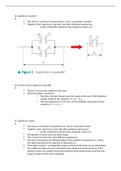
Fig1 shows 2 capacitors of capacitances C 1 and C2 connected in parallel
Together, their capacitance is greater than their individual capacitances
o So the combination will store more charge for a given p.d
Q: For two or more capacitors in parallel
A:
The p.d V across each capacitor is the same
Electrical charge is conserved
o Therefore, the total charge stored Q is equal to the sum of the individual
charges stored by the capacitors, Q = Q1 + Q2 + ...
o The total capacitance C is the sum of the individual capacitances of the
capacitors, C = C1 + C2 + ...
Q: Capacitors in series
A:
Fig 2 shows 2 capacitors of capacitances C 1 and C2 connected in series
Together, their capacitance is less than their individual capacitances
o So this combination will store less charge for a given p.d
All capacitors in series store the same charge
This is even true when they have different capacitances
The cell is connected to the left-hand plate of the capacitor of capacitance C 1 and to
the right-hand plate of the capacitor of capacitance C2
These plates acquire = and opposite charges as electrons flow from and to these plates
The middle two plates are not connected to the cell because of the presence of the
dielectric layers, but transfer of electrons between these plates ensures that they too
acquire charge Q of the same magnitude
A:
Fig1 shows 2 capacitors of capacitances C 1 and C2 connected in parallel
Together, their capacitance is greater than their individual capacitances
o So the combination will store more charge for a given p.d
Q: For two or more capacitors in parallel
A:
The p.d V across each capacitor is the same
Electrical charge is conserved
o Therefore, the total charge stored Q is equal to the sum of the individual
charges stored by the capacitors, Q = Q1 + Q2 + ...
o The total capacitance C is the sum of the individual capacitances of the
capacitors, C = C1 + C2 + ...
Q: Capacitors in series
A:
Fig 2 shows 2 capacitors of capacitances C 1 and C2 connected in series
Together, their capacitance is less than their individual capacitances
o So this combination will store less charge for a given p.d
All capacitors in series store the same charge
This is even true when they have different capacitances
The cell is connected to the left-hand plate of the capacitor of capacitance C 1 and to
the right-hand plate of the capacitor of capacitance C2
These plates acquire = and opposite charges as electrons flow from and to these plates
The middle two plates are not connected to the cell because of the presence of the
dielectric layers, but transfer of electrons between these plates ensures that they too
acquire charge Q of the same magnitude