Electoral Systems:
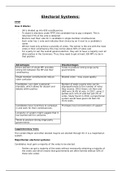
FPTP
How it Works:
- UK is divided up into 650 constituencies
- To stand in elections under FPTP, the candidate has to pay a deposit. This is
returned if 5% of the vote is obtained
- Electors cast their vote for 1 candidate in single-member constituencies
- Each voter has 1 vote and indicates their choice by an X next to a candidate’s
name
- Winner need only achieve a plurality of votes. The winner is the one with the most
votes in their constituency this may not be above 50% of votes cast
- For a party to win the overall general election, they aim to have a majority over all
other parties in the Commons. Thus, they need to get at least 326 MP’s to be in
that position.
Advantages Disadvantages
Direct election of single MP, provides Tends to produce strong singe party
strong link between the MP and their governments
constituency.
Single member constituencies reduce Wasted votes – may cause apathy
voter confusion
Candidates. can claim a personal Number of seats a party wins can be
mandate, which allows for dissent and disproportionate to the number of votes
debate within parties they receive. 2015 Green, Lib Dem and
UKIP won 24.4% of vote. In 2017, same 3
parties won 11% of vote but just 2% of
votes. Study found in 2019, a proportional
system would have given Lib Dem 59
more seats.
Candidates have incentives to campaign Privileges local concentration of support
in and work for their constituencies.
Longevity of system might suggest that it
has worked well for centuries.
Tends to produce strong singe party
governments
Supplementary Vote:
The London Mayor and other elected mayors are elected through SV. It is a majoritarian
system.
Majoritarian electoral systems:
Candidates must gain a majority of the votes to be elected.
- Parties can get a majority of the seats without necessarily obtaining a majority of
the votes cast which means that governments are often formed without 50% of
those who voted.
, - This type of representation often ensures that 1 party obtains a majority of the
seats in a legislature
- It is associated with strong, single party government as it tends to give a ‘winner’s
bonus’ to the party with the most seats.
How it Works:
- Voters have 2 preferential votes. They place 1 in the first colum and 2 in the next
column.
- If a candidate wins more than 50% of first choice votes they are elected.
- If no candidate wins 50%, all but the top 2 candidates are eliminated
- 2nd preference votes for 2 remaining candidates are then counted
- Candidate with most first and second choice votes is elected
Advantages Disadvantages
Supplementary Vote Many of same advantages Votes are still wasted;
of FPTP apply to SV (e.g. smaller parties still lose out
single member
constituencies, local link, Winning candidate may not
etc.) have most first-choice
votes
Candidates must secure at
least some support from a Run off procedure means
majority of voters. voters must guess which 2
candidates will get
Discourages negative through.
campaigning
Voters may need to vote
Reduces tactical voting as tactically for their vote to
you can vote for your first count
choice without fear of
wasting your vote May not mean MP secure
the support of a majority of
voters, because some of
the 2nd choice will be
previously elimiated
candidates
Additional Member System:
AMS is a proportional electoral system used in the devolved regions of Scotland and
Wales for the London Assembly. This system is a hybrid system, which combines the
FPTP and the list system.
How it Works:
- 2 separate votes
- First is used to choose a member for local constituency. Person with most votes
wins
- Second is used to select a political party using party list.
- This produces 2 types of representative, 1 local and one regional. Party-list
element is used to ‘top up’ the constituency vote, making the overall result more
proportionate.
Advantages Disadvantages
Additional Member More proportional system. Not entirely proportional.
FPTP
How it Works:
- UK is divided up into 650 constituencies
- To stand in elections under FPTP, the candidate has to pay a deposit. This is
returned if 5% of the vote is obtained
- Electors cast their vote for 1 candidate in single-member constituencies
- Each voter has 1 vote and indicates their choice by an X next to a candidate’s
name
- Winner need only achieve a plurality of votes. The winner is the one with the most
votes in their constituency this may not be above 50% of votes cast
- For a party to win the overall general election, they aim to have a majority over all
other parties in the Commons. Thus, they need to get at least 326 MP’s to be in
that position.
Advantages Disadvantages
Direct election of single MP, provides Tends to produce strong singe party
strong link between the MP and their governments
constituency.
Single member constituencies reduce Wasted votes – may cause apathy
voter confusion
Candidates. can claim a personal Number of seats a party wins can be
mandate, which allows for dissent and disproportionate to the number of votes
debate within parties they receive. 2015 Green, Lib Dem and
UKIP won 24.4% of vote. In 2017, same 3
parties won 11% of vote but just 2% of
votes. Study found in 2019, a proportional
system would have given Lib Dem 59
more seats.
Candidates have incentives to campaign Privileges local concentration of support
in and work for their constituencies.
Longevity of system might suggest that it
has worked well for centuries.
Tends to produce strong singe party
governments
Supplementary Vote:
The London Mayor and other elected mayors are elected through SV. It is a majoritarian
system.
Majoritarian electoral systems:
Candidates must gain a majority of the votes to be elected.
- Parties can get a majority of the seats without necessarily obtaining a majority of
the votes cast which means that governments are often formed without 50% of
those who voted.
, - This type of representation often ensures that 1 party obtains a majority of the
seats in a legislature
- It is associated with strong, single party government as it tends to give a ‘winner’s
bonus’ to the party with the most seats.
How it Works:
- Voters have 2 preferential votes. They place 1 in the first colum and 2 in the next
column.
- If a candidate wins more than 50% of first choice votes they are elected.
- If no candidate wins 50%, all but the top 2 candidates are eliminated
- 2nd preference votes for 2 remaining candidates are then counted
- Candidate with most first and second choice votes is elected
Advantages Disadvantages
Supplementary Vote Many of same advantages Votes are still wasted;
of FPTP apply to SV (e.g. smaller parties still lose out
single member
constituencies, local link, Winning candidate may not
etc.) have most first-choice
votes
Candidates must secure at
least some support from a Run off procedure means
majority of voters. voters must guess which 2
candidates will get
Discourages negative through.
campaigning
Voters may need to vote
Reduces tactical voting as tactically for their vote to
you can vote for your first count
choice without fear of
wasting your vote May not mean MP secure
the support of a majority of
voters, because some of
the 2nd choice will be
previously elimiated
candidates
Additional Member System:
AMS is a proportional electoral system used in the devolved regions of Scotland and
Wales for the London Assembly. This system is a hybrid system, which combines the
FPTP and the list system.
How it Works:
- 2 separate votes
- First is used to choose a member for local constituency. Person with most votes
wins
- Second is used to select a political party using party list.
- This produces 2 types of representative, 1 local and one regional. Party-list
element is used to ‘top up’ the constituency vote, making the overall result more
proportionate.
Advantages Disadvantages
Additional Member More proportional system. Not entirely proportional.