Vrije Universiteit van Amsterdam
Kernthema Communicatie &
Identiteit
Samenvattingen literatuur
Lotte den Nederlanden
Sept – okt 2025
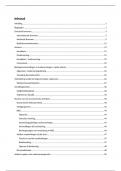
,Inhoud
College 1.....................................................................................................................................4
Ashforth B. E., Mael F. (1989). Social identity theory and the organization.........................4
College 2.....................................................................................................................................8
Ashforth, B.A., & Kreiner, G.E. 1999. "How Can You Do It?": Dirty Work and the
Challenge of Constructing a Positive Identity........................................................................8
Conroy, S., Henle, C.A, Shore, L., & Stelma, S. (2017). Where there is light, there is dark:
A review of the detrimental outcomes of high organizational identification.......................16
College 3...................................................................................................................................19
Tost,L.P., Gino, F., & Larrick, R,P. (2012). Power, competitiveness, and advice taking:
Why the powerful don’t listen..............................................................................................19
Esposo, S. R., Hornsey, M. J., & Spoor, J. R. (2013). Shooting the messenger: Outsiders
critical of your group are rejected regardless of argument quality.......................................21
Petriglieri, J. L. (2011). Under threat: responses to and the consequences of threats to
individual identities..............................................................................................................23
College 4...................................................................................................................................26
Assilaméhou-Kunz, Y., Postmes, T., & Testé, B. (2020). A normative perspective on the
linguistic intergroup bias: How intragroup approval of ingroup members who use the
linguistic intergroup bias perpetuates explicit intergroup bias.............................................26
Roberson, Q. M., & Stevens, C. K. (2006). Making sense of diversity in the workplace:
Organizational justice and language abstraction in employees' accounts of diversity-related
incidents................................................................................................................................29
College 5...................................................................................................................................31
Smidts, A., Pruyn A.T.H., van Riel, C.B.M. (2001). The impact of employee
communication and perceived external prestige on organizational identification...............31
Dutton, J.E, & J.M. Dukerich (1991). Keeping an Eye on the Mirror: Image and Identity in
Organizational Adaptation....................................................................................................33
Gopinath, C., & Becker, T. E. (2000). Communication, procedural justice, and employee
attitudes: Relationships under conditions of divestiture.......................................................36
,College 6...................................................................................................................................38
Onderzoek over de (werk)cultuur bij NPO..........................................................................38
College 7...................................................................................................................................44
Haslam S.A., & Platow, M.J. (2001). The link between leadership and followership: How
affirming social identity translates vision into action..........................................................44
Faniko, K., Ellemers, N., & Derks, B. (2021). The queen bee phenomenon in academia 15
years after: Does it still exist, and if so, why?......................................................................46
Bruckmüller, S., Ryan, M. K., Rink, F., & Haslam, S. A. (2014). Beyond the glass ceiling:
The glass cliff and its lessons for organizational policy.......................................................50
College 8...................................................................................................................................54
Pagliaro, S., Brambilla, M., Sacchi, S., D’Angelo, M., & Ellemers, N. (2013). Initial
impressions determine behaviours: Morality predicts the willingness to help newcomers. 54
Ellemers, N; & van Nunspeet, F. (2020) Neuroscience and the social origins of moral
behavior: how neural underpinnings of social categorization and conformity affect
everyday moral and immoral behavior.................................................................................58
Ellemers, N., Kingma, L., van de Burgt, J., & Barreto, M. (2011). Corporate social
responsibility as a source of organizational morality, employee commitment and
satisfaction............................................................................................................................62
College 9...................................................................................................................................65
Moore, C. Moral Disengagement in Processes of Organizational Corruption.....................65
Martin, S. R., Kish-Gephart, J. J., & Detert, J. R. (2014). Blind forces: Ethical
infrastructures and moral disengagement in organizations..................................................70
College 10.................................................................................................................................75
Fida R, Tramontano C, Paciello M, Guglielmetti C, Gilardi S, Probst TM, Barbaranelli C.
'First, Do No Harm': The Role of Negative Emotions and Moral Disengagement in
Understanding the Relationship Between Workplace Aggression and Misbehavior...........75
College 11.................................................................................................................................79
Heilman, M. E. (2012). Gender stereotypes and workplace bias. Research in organizational
Behavior...............................................................................................................................79
, Stout, J.G. & Dasgupta, N. (2011). When he doesn’t mean you: Gender exclusive language
as ostracism..........................................................................................................................85
Van der Vegt, G.S. & Bunderson, J.S. (2005). Learning and performance in
multidisciplinary teams: the importance of collective team identification..........................90
College 13.................................................................................................................................96
Nkomo, S. M. (1992). The Emperor Has No Clothes: Rewriting “Race in Organizations..96
Ray, V. (2019). A Theory of Racialized Organizations......................................................102
Essanhaji, Z. (2023). The (im)possibility of complaint: on efforts of inverting and
(en)countering the university..............................................................................................108
Kernthema Communicatie &
Identiteit
Samenvattingen literatuur
Lotte den Nederlanden
Sept – okt 2025
,Inhoud
College 1.....................................................................................................................................4
Ashforth B. E., Mael F. (1989). Social identity theory and the organization.........................4
College 2.....................................................................................................................................8
Ashforth, B.A., & Kreiner, G.E. 1999. "How Can You Do It?": Dirty Work and the
Challenge of Constructing a Positive Identity........................................................................8
Conroy, S., Henle, C.A, Shore, L., & Stelma, S. (2017). Where there is light, there is dark:
A review of the detrimental outcomes of high organizational identification.......................16
College 3...................................................................................................................................19
Tost,L.P., Gino, F., & Larrick, R,P. (2012). Power, competitiveness, and advice taking:
Why the powerful don’t listen..............................................................................................19
Esposo, S. R., Hornsey, M. J., & Spoor, J. R. (2013). Shooting the messenger: Outsiders
critical of your group are rejected regardless of argument quality.......................................21
Petriglieri, J. L. (2011). Under threat: responses to and the consequences of threats to
individual identities..............................................................................................................23
College 4...................................................................................................................................26
Assilaméhou-Kunz, Y., Postmes, T., & Testé, B. (2020). A normative perspective on the
linguistic intergroup bias: How intragroup approval of ingroup members who use the
linguistic intergroup bias perpetuates explicit intergroup bias.............................................26
Roberson, Q. M., & Stevens, C. K. (2006). Making sense of diversity in the workplace:
Organizational justice and language abstraction in employees' accounts of diversity-related
incidents................................................................................................................................29
College 5...................................................................................................................................31
Smidts, A., Pruyn A.T.H., van Riel, C.B.M. (2001). The impact of employee
communication and perceived external prestige on organizational identification...............31
Dutton, J.E, & J.M. Dukerich (1991). Keeping an Eye on the Mirror: Image and Identity in
Organizational Adaptation....................................................................................................33
Gopinath, C., & Becker, T. E. (2000). Communication, procedural justice, and employee
attitudes: Relationships under conditions of divestiture.......................................................36
,College 6...................................................................................................................................38
Onderzoek over de (werk)cultuur bij NPO..........................................................................38
College 7...................................................................................................................................44
Haslam S.A., & Platow, M.J. (2001). The link between leadership and followership: How
affirming social identity translates vision into action..........................................................44
Faniko, K., Ellemers, N., & Derks, B. (2021). The queen bee phenomenon in academia 15
years after: Does it still exist, and if so, why?......................................................................46
Bruckmüller, S., Ryan, M. K., Rink, F., & Haslam, S. A. (2014). Beyond the glass ceiling:
The glass cliff and its lessons for organizational policy.......................................................50
College 8...................................................................................................................................54
Pagliaro, S., Brambilla, M., Sacchi, S., D’Angelo, M., & Ellemers, N. (2013). Initial
impressions determine behaviours: Morality predicts the willingness to help newcomers. 54
Ellemers, N; & van Nunspeet, F. (2020) Neuroscience and the social origins of moral
behavior: how neural underpinnings of social categorization and conformity affect
everyday moral and immoral behavior.................................................................................58
Ellemers, N., Kingma, L., van de Burgt, J., & Barreto, M. (2011). Corporate social
responsibility as a source of organizational morality, employee commitment and
satisfaction............................................................................................................................62
College 9...................................................................................................................................65
Moore, C. Moral Disengagement in Processes of Organizational Corruption.....................65
Martin, S. R., Kish-Gephart, J. J., & Detert, J. R. (2014). Blind forces: Ethical
infrastructures and moral disengagement in organizations..................................................70
College 10.................................................................................................................................75
Fida R, Tramontano C, Paciello M, Guglielmetti C, Gilardi S, Probst TM, Barbaranelli C.
'First, Do No Harm': The Role of Negative Emotions and Moral Disengagement in
Understanding the Relationship Between Workplace Aggression and Misbehavior...........75
College 11.................................................................................................................................79
Heilman, M. E. (2012). Gender stereotypes and workplace bias. Research in organizational
Behavior...............................................................................................................................79
, Stout, J.G. & Dasgupta, N. (2011). When he doesn’t mean you: Gender exclusive language
as ostracism..........................................................................................................................85
Van der Vegt, G.S. & Bunderson, J.S. (2005). Learning and performance in
multidisciplinary teams: the importance of collective team identification..........................90
College 13.................................................................................................................................96
Nkomo, S. M. (1992). The Emperor Has No Clothes: Rewriting “Race in Organizations..96
Ray, V. (2019). A Theory of Racialized Organizations......................................................102
Essanhaji, Z. (2023). The (im)possibility of complaint: on efforts of inverting and
(en)countering the university..............................................................................................108