

WEEK 1
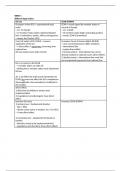
different legal orders
EU law ECHR (EVRM)
European Union (EU) = supranational legal ECHR = treaty signed by member states of
order council of Europe
> art. 51 Charter > art. 1 ECHR
> 27 member states (when implementing EU > 46 member states (high contracting parties)
law) + institutions, bodies, offices and agencies > treaty: ECHR (Convention)
> treaty: the Charter (CFR)
Court of Justice of EU (CJEU) = ensures European Court of Human Rights (ECtHR)
application of EU law = case concerning human rights violations
--> direct effect + supremacy (voorrang) over - international law
national law - maybe direct effect:
(EU law makes every state monist) 1) monist system = international law can be
directly invoked in national courts (direct effect)
2) dualist system = international law must first
be incorporated (opnemen) into national law
EU is not party to the ECHR
--> member states are (alle 27)
- binding force: member states must implement
EU law
art. 6 (2) TFEU: EU shall accede (toetreden) to
ECHR, but must not affect the EU’s competence
(bevoegdheden niet veranderen) as defined in
the treaties
direct effect:
1) directives (richtlijnen): always need
implementation
2) regulations (verordeningen): have direct
effect
bronnen EU recht: bronnen: ECHR (EVRM)
1) primary law = fundamental treaties
- TEU + TFEU
- Charter (same value as treaties, art. 6 (1) TEU)
--> have direct effect
2) secondary law = adopted by EU based on
treaties
- directives (need to be implemented first)
- regulations and directions (have direct effect)
,direct effect
direct effect = individuals can go to every national court in Europe and invoke EU-law in the national
court directly (focussed on individuals) before the national judge
CJEU Van Gend & Loos:
a. clear + unconditional (shall/ without delay), (conditional, when ‘may’)
b. negative obligation: State is not allowed to do something (no action)
--> maakt het makkelijker om aan vereiste a. te voldoen (geen verdere invulling nodig)
bij directives nog extra:
c. implementation deadline has been passed (Van Duyn): entire directive (not just an article)
--> if the Directive complies (volgt) with the conditions named in Van Gend & Loos, it has direct effect
against States
direct applicable: this is law and the EU decides if you can apply and how you can apply. That it
applies immediately doesn't mean that there is a direct effect. The rule needs to be clear and
unconditional as well. (by regulations, directives need to be implemented first)
direct applicability = wet is meteen geldig in alle lidstaten
direct effect = individu kan deze wet ook daadwerkelijk bij een nationale rechtbank inroepen
other cases
CJEU International Handelsgesellschaft case:
EU law takes precedence (voorrang) over national law (incl grondrechten)
this means that national legislation, including constitutional provisions, cannot affect the validity of
EU rules
why? EU law would lose its validity (geldigheid) if that were possible
CJEU Stefano Melloni v. Minsterio Fiscal
Member States may not use their national law to undermine or tighten EU rules
--> EU law heeft voorrang
stappenplan tentamenvraag
1) doorwerking ECHR
- monisme: nationaal en internationaal zijn deel van één systeem (geen noodzaak tot omzetting)
- dualisme: nationaal en internationaal recht zijn twee aparte gebieden (wel noodzaak tot omzetting)
2) doorwerking EU-recht
EU recht gezien als aparte rechtsorde die zelf bepaalt dat het doorwerking heeft in nationale
rechtsorde
- direct effect
> primair EU recht (CJEU Van Gend en Loos): voldoende duidelijk en onvoorwaardelijk
--> voldoende juridische houvast om in een concreet geval te worden toegepast?
--> voor de toepassing geen nadere Europese of nationale regels nodig
--> lidstaten wordt geen beoordelingsvrijheid gelaten
, > secundair EU recht (directives, CJEU Van Duyn): voldoende duidelijk en onvoorwaardelijk + directive
is niet of onjuist geïmplementeerd in nationale wetgeving + deadline implementatie is verstreken
WEEK 2
scope of application
= who is bound by the Charter or ECHR and when does it apply/ in which situations?
- personal scope = who is protected? (check per provision)
- material scope = what is protected? (check per provision)
scope of application Charter
art. 51 (1) Charter
1) institutions, bodies, offices and agencies of the EU
2) member states (only when implementing EU law): handelen binnen de sfeer van het EU recht
CJEU Akerberg Fransson (par. 17 - 23):
member states are only bound by the Charter when they are acting within the scope of EU law
--> applying an EU directive: Charter applies
--> purely national tax law with no EU link: Charter does not apply
so when is the Charter applicable?
when state is implementing EU law (art. 51 Charter jo. Akerberg)
why isn’t the Charter applicable to Member States?
principle of conferral = the EU can only do what the EU countries have allowed it to do in the treaties
--> if something is in the treaties, the EU can make laws about is
--> if something is not in the treaties, the EU cannot act, only the states can
see art. 6 (1) TEU + 51 (2) Charter
scope of application ECHR
art. 1 ECHR:
- high contracting parties --> within their jurisdiction (rechtsmacht)
1) vereist is dat staat jurisdictie uitoefent over iemand (ECtHR Al Skeini, par. 9)
2) in beginsel territoriale jurisdictie (par. 10): primarily territorial (inside state)
3) in bepaalde gevallen ook extraterritoriale jurisdictie:
a. effective controle over an area (gebied), par. 17 – 19
- a military occupation or a war
b. state agent authority and control over individual, par. 12 - 16
- diplomatic and consular agents (important people in other states), par. 13
- a consent, invitation or acquiescence of another country to govern instead of the country (so act like
you are the government in their country), p. 14
- state’s agent who is using force outside of their own territory against an individual, state where the
agent comes from is responsible, p. 15
so when is the ECHR applicable?
when the state exercises jurisdiction (art. 1 ECHR jo. Al Skeini)
different legal orders
EU law ECHR (EVRM)
European Union (EU) = supranational legal ECHR = treaty signed by member states of
order council of Europe
> art. 51 Charter > art. 1 ECHR
> 27 member states (when implementing EU > 46 member states (high contracting parties)
law) + institutions, bodies, offices and agencies > treaty: ECHR (Convention)
> treaty: the Charter (CFR)
Court of Justice of EU (CJEU) = ensures European Court of Human Rights (ECtHR)
application of EU law = case concerning human rights violations
--> direct effect + supremacy (voorrang) over - international law
national law - maybe direct effect:
(EU law makes every state monist) 1) monist system = international law can be
directly invoked in national courts (direct effect)
2) dualist system = international law must first
be incorporated (opnemen) into national law
EU is not party to the ECHR
--> member states are (alle 27)
- binding force: member states must implement
EU law
art. 6 (2) TFEU: EU shall accede (toetreden) to
ECHR, but must not affect the EU’s competence
(bevoegdheden niet veranderen) as defined in
the treaties
direct effect:
1) directives (richtlijnen): always need
implementation
2) regulations (verordeningen): have direct
effect
bronnen EU recht: bronnen: ECHR (EVRM)
1) primary law = fundamental treaties
- TEU + TFEU
- Charter (same value as treaties, art. 6 (1) TEU)
--> have direct effect
2) secondary law = adopted by EU based on
treaties
- directives (need to be implemented first)
- regulations and directions (have direct effect)
,direct effect
direct effect = individuals can go to every national court in Europe and invoke EU-law in the national
court directly (focussed on individuals) before the national judge
CJEU Van Gend & Loos:
a. clear + unconditional (shall/ without delay), (conditional, when ‘may’)
b. negative obligation: State is not allowed to do something (no action)
--> maakt het makkelijker om aan vereiste a. te voldoen (geen verdere invulling nodig)
bij directives nog extra:
c. implementation deadline has been passed (Van Duyn): entire directive (not just an article)
--> if the Directive complies (volgt) with the conditions named in Van Gend & Loos, it has direct effect
against States
direct applicable: this is law and the EU decides if you can apply and how you can apply. That it
applies immediately doesn't mean that there is a direct effect. The rule needs to be clear and
unconditional as well. (by regulations, directives need to be implemented first)
direct applicability = wet is meteen geldig in alle lidstaten
direct effect = individu kan deze wet ook daadwerkelijk bij een nationale rechtbank inroepen
other cases
CJEU International Handelsgesellschaft case:
EU law takes precedence (voorrang) over national law (incl grondrechten)
this means that national legislation, including constitutional provisions, cannot affect the validity of
EU rules
why? EU law would lose its validity (geldigheid) if that were possible
CJEU Stefano Melloni v. Minsterio Fiscal
Member States may not use their national law to undermine or tighten EU rules
--> EU law heeft voorrang
stappenplan tentamenvraag
1) doorwerking ECHR
- monisme: nationaal en internationaal zijn deel van één systeem (geen noodzaak tot omzetting)
- dualisme: nationaal en internationaal recht zijn twee aparte gebieden (wel noodzaak tot omzetting)
2) doorwerking EU-recht
EU recht gezien als aparte rechtsorde die zelf bepaalt dat het doorwerking heeft in nationale
rechtsorde
- direct effect
> primair EU recht (CJEU Van Gend en Loos): voldoende duidelijk en onvoorwaardelijk
--> voldoende juridische houvast om in een concreet geval te worden toegepast?
--> voor de toepassing geen nadere Europese of nationale regels nodig
--> lidstaten wordt geen beoordelingsvrijheid gelaten
, > secundair EU recht (directives, CJEU Van Duyn): voldoende duidelijk en onvoorwaardelijk + directive
is niet of onjuist geïmplementeerd in nationale wetgeving + deadline implementatie is verstreken
WEEK 2
scope of application
= who is bound by the Charter or ECHR and when does it apply/ in which situations?
- personal scope = who is protected? (check per provision)
- material scope = what is protected? (check per provision)
scope of application Charter
art. 51 (1) Charter
1) institutions, bodies, offices and agencies of the EU
2) member states (only when implementing EU law): handelen binnen de sfeer van het EU recht
CJEU Akerberg Fransson (par. 17 - 23):
member states are only bound by the Charter when they are acting within the scope of EU law
--> applying an EU directive: Charter applies
--> purely national tax law with no EU link: Charter does not apply
so when is the Charter applicable?
when state is implementing EU law (art. 51 Charter jo. Akerberg)
why isn’t the Charter applicable to Member States?
principle of conferral = the EU can only do what the EU countries have allowed it to do in the treaties
--> if something is in the treaties, the EU can make laws about is
--> if something is not in the treaties, the EU cannot act, only the states can
see art. 6 (1) TEU + 51 (2) Charter
scope of application ECHR
art. 1 ECHR:
- high contracting parties --> within their jurisdiction (rechtsmacht)
1) vereist is dat staat jurisdictie uitoefent over iemand (ECtHR Al Skeini, par. 9)
2) in beginsel territoriale jurisdictie (par. 10): primarily territorial (inside state)
3) in bepaalde gevallen ook extraterritoriale jurisdictie:
a. effective controle over an area (gebied), par. 17 – 19
- a military occupation or a war
b. state agent authority and control over individual, par. 12 - 16
- diplomatic and consular agents (important people in other states), par. 13
- a consent, invitation or acquiescence of another country to govern instead of the country (so act like
you are the government in their country), p. 14
- state’s agent who is using force outside of their own territory against an individual, state where the
agent comes from is responsible, p. 15
so when is the ECHR applicable?
when the state exercises jurisdiction (art. 1 ECHR jo. Al Skeini)



