MICROORGANISMS
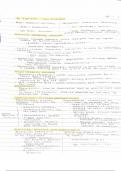
Microorganisms are organisms that are so small that you need to use a lens
or microscope to see them - they cannot be seen with the naked eye
Fungi Viruses
MICROORGANISMS
Protista Bacteria
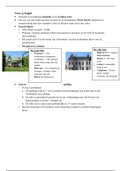
VIRUSES
STRUCTURE AND GENERAL CHARACTERISTICS:
• Smallest microorganisms but not the smallest LIVING microorganism
• Non-living RNA
• Core of nucleic acid
• Capsid surrounds DNA
-> protein coat
• Membrane called envelope around the capsid
• Parasite (intracellular)
• Reproduce inside a host cell
, ROLE IN THE ENVIRONMENT:
• Maintain balance in the environment
• Helps with overpopulation
• Helps with adaptation
DISEASES CAUSED:
HIV/AIDS
Acquired Human
Immune Immunodeficiency
Deficiency Virus
Syndrome
HIV is an RNA virus that is also a retrovirus
-> this means that it reproduces in human cells by first making DNA
There is no cure for HIV/AIDS
It is spread when there Is contact between the mucous membranes or blood
of a person with the body fluids of anotherr person who has the virus
Also spread through sexual intercourse, sharing hypodermic needles with the
infected people and being given infected blood during a blood transfusion
Positive moms can give it to their children during pregnancy or through
breastfeeding
SYMPTOMS MANAGEMENT
- Frequent fevers - no cure but there are treatments
- Sweating that can prolong the life of the
- Swollen glands patient
- Diarrhea - antiretroviral drugs (ARVS) ->
- Weakness expensive & not always available
- Weight loss - don’t touch peoples blood unless
- Sores on skin and In mouth wearing protective gloves
- Greater risk of getting cancer - use condoms during sex
Microorganisms are organisms that are so small that you need to use a lens
or microscope to see them - they cannot be seen with the naked eye
Fungi Viruses
MICROORGANISMS
Protista Bacteria
VIRUSES
STRUCTURE AND GENERAL CHARACTERISTICS:
• Smallest microorganisms but not the smallest LIVING microorganism
• Non-living RNA
• Core of nucleic acid
• Capsid surrounds DNA
-> protein coat
• Membrane called envelope around the capsid
• Parasite (intracellular)
• Reproduce inside a host cell
, ROLE IN THE ENVIRONMENT:
• Maintain balance in the environment
• Helps with overpopulation
• Helps with adaptation
DISEASES CAUSED:
HIV/AIDS
Acquired Human
Immune Immunodeficiency
Deficiency Virus
Syndrome
HIV is an RNA virus that is also a retrovirus
-> this means that it reproduces in human cells by first making DNA
There is no cure for HIV/AIDS
It is spread when there Is contact between the mucous membranes or blood
of a person with the body fluids of anotherr person who has the virus
Also spread through sexual intercourse, sharing hypodermic needles with the
infected people and being given infected blood during a blood transfusion
Positive moms can give it to their children during pregnancy or through
breastfeeding
SYMPTOMS MANAGEMENT
- Frequent fevers - no cure but there are treatments
- Sweating that can prolong the life of the
- Swollen glands patient
- Diarrhea - antiretroviral drugs (ARVS) ->
- Weakness expensive & not always available
- Weight loss - don’t touch peoples blood unless
- Sores on skin and In mouth wearing protective gloves
- Greater risk of getting cancer - use condoms during sex