Lecture Week 1 03/02/2020
How to write a thesis & do literary research
- Working with different methods and theories
- Theoretical framework
- Close reading and narratological analysis
Methods
- Ways to do research and analyse the data
- Determined the kinds of data and knowledge gathered/regenerated
- E.g.
- Close reading
- Distant reading
- Comparative research
- Survey research
Theories
- Constellations of ideas that try to describe or explain a complex phenomenon
- Certain Questions (not all)
- Theory frames art analysis
Theories & Methods intertwined
- Formalism, New Criticism > Close Reading
- Feminism —> both
- Deconstruction —> neither theory or method.
Historicism
Joyce
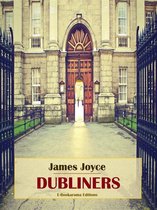
- Joyce was 22 when he wrote most of the stories in Dubliners.
- Ulysses is made up of 18 short stories.
- Joyce begins with short stories.
- Finnegans Wake might even be regarded as a series of short stories.
- James Joyce was a language student.
- Joyce was fluent in French, German, Italian and Danish, bit of Norwegian.
- Joyce was never at home despite constantly writing about Dublin.
- Hardly anyone knew about Joyce at the time he published Dubliners.
- “Significance of trivial things”
- A painful case
- A woman is struck by a train.
- Joyce took pain with the phrasing of the newspaper —> the painful case was
repeated twice.
- Why did Joyce choose that method to convey the details of mrs…’s death?
- Speculations in the article about her death.
- Joyce responds to these trivial things.
- Joyce leaves it up to us to discover details.
- Gustav Flaubert —> Joyce took this technique from him.
- Joyce is best reread than read, Dickens is better read than reread.
- Joyce believed in intentionality.
- People can barely leave works of art or literature untouched, we always give the context.
- All forms of art have a connection with the material world.
- New critics —> art is meant to be experienced and not explained, we murder to dissect.
- What works can teach us about our current situation?
- New historicism —> radical form of historicism, history and culture need to be regarded as
material; the text itself is made of a nexus of culture and time and place.
- Felsky Context Stinks
- Context functions as a box in which texts are encased and held fast.
- There has not yet been found a work of which its history does not entangle it.
- Context is like a prison.
1
, - We can’t close our eyes to the history of the works, but we need to find another way to
not imprison it.
- The historical context has to be able to stretch up to the time in which you first read this
book.
- Context is here and now.
- Bruno Latour —> objects have agency.
- Texts cause us to think and act in a certain way.
- Once we’ve mapped the interior we can understand the story.
- Most short stories were written when Joyce was away from Dublin, Joyce had Dublin
mapped in his memory —> sometimes his map failed him.
- Author of Lolita (russian) nabo… —> talked about the great European authors. When you
read you have to read like a detective reads. Reading with the view that nothing can be taken
for granted.
- Joyce’s maps are a reconstruction of his childhood memories.
- Joyce belongs to an Irish … that makes lists of names —> Joyce constantly makes homage
to where he came from.
- Dublin is an important city, which should be take seriously as it was a capital of Europe, the
second biggest city of the British empire and three times as big as Venice.
Dublin
- Strange place
- Dirty place
- High number of infantry deaths
- 50% higher number of tuberculosis cases compared to Scotland or England.
- High rate of mental illness “feeble minded”
- Believed to be caused by drinking alcohol (also turpentine).
- 30% lived in slums, one-room apartment with no sanitation.
- Scale of prostitution symbolised Dublin’s status.
- Dublin had been overtaken by Belfast as Dublin’s biggest city.
- Guiness / biscuits.
- Dublin was in a state of chaos at the time Joyce wrote Dubliners.
- Systems / routines / schedules is what makes us move nowadays.
- Joyce briefly goes back to Dublin to open a cinema showing Italian opera.
- There was no sound yet for films.
- It failed —> Joyce never went back to Dublin.
- Dublin always stayed with Joyce
- When visiting a museum in Zaandam, he wrote Dublin as the place he was from.
- Joyce maps persons to place, while switching between views.
- It’s up to us to make the connections between the places and people.
Dubliners
- Starts in 1904 when Joyce is desperate to get his writing career going, but he was broke so
he wrote to his friends asking for money.
- Joyce & Laura moved to Trieste
- Joyce got a letter back asking for a non-shocking short story about rural life fro in his
magazine, The Irish Homestead.
- Author is not James Joyce, but he publishes under a pseudonym: Stephen Dedalus.
- Clay was rejected because the editor has had so many complaints of readers asking why the
short stories about Dublin were in there.
- Writers did not get paid a lot compared to the amounts of money the publishers got.
- The word count was necessary for the short story, so that there would be place for
advertisements as they paid better.
- Limited word count —> lack of plot, plotlessness.
- Joyce shows the past pressing in on the present.
- Short story was a quick fix.
- If you want certainty and closure, go to the 19th century novel.
Notion of epiphany
- That moment Joyce causes time to stop.
- The modern world suddenly stops and we see something new for the first time.
2
How to write a thesis & do literary research
- Working with different methods and theories
- Theoretical framework
- Close reading and narratological analysis
Methods
- Ways to do research and analyse the data
- Determined the kinds of data and knowledge gathered/regenerated
- E.g.
- Close reading
- Distant reading
- Comparative research
- Survey research
Theories
- Constellations of ideas that try to describe or explain a complex phenomenon
- Certain Questions (not all)
- Theory frames art analysis
Theories & Methods intertwined
- Formalism, New Criticism > Close Reading
- Feminism —> both
- Deconstruction —> neither theory or method.
Historicism
Joyce
- Joyce was 22 when he wrote most of the stories in Dubliners.
- Ulysses is made up of 18 short stories.
- Joyce begins with short stories.
- Finnegans Wake might even be regarded as a series of short stories.
- James Joyce was a language student.
- Joyce was fluent in French, German, Italian and Danish, bit of Norwegian.
- Joyce was never at home despite constantly writing about Dublin.
- Hardly anyone knew about Joyce at the time he published Dubliners.
- “Significance of trivial things”
- A painful case
- A woman is struck by a train.
- Joyce took pain with the phrasing of the newspaper —> the painful case was
repeated twice.
- Why did Joyce choose that method to convey the details of mrs…’s death?
- Speculations in the article about her death.
- Joyce responds to these trivial things.
- Joyce leaves it up to us to discover details.
- Gustav Flaubert —> Joyce took this technique from him.
- Joyce is best reread than read, Dickens is better read than reread.
- Joyce believed in intentionality.
- People can barely leave works of art or literature untouched, we always give the context.
- All forms of art have a connection with the material world.
- New critics —> art is meant to be experienced and not explained, we murder to dissect.
- What works can teach us about our current situation?
- New historicism —> radical form of historicism, history and culture need to be regarded as
material; the text itself is made of a nexus of culture and time and place.
- Felsky Context Stinks
- Context functions as a box in which texts are encased and held fast.
- There has not yet been found a work of which its history does not entangle it.
- Context is like a prison.
1
, - We can’t close our eyes to the history of the works, but we need to find another way to
not imprison it.
- The historical context has to be able to stretch up to the time in which you first read this
book.
- Context is here and now.
- Bruno Latour —> objects have agency.
- Texts cause us to think and act in a certain way.
- Once we’ve mapped the interior we can understand the story.
- Most short stories were written when Joyce was away from Dublin, Joyce had Dublin
mapped in his memory —> sometimes his map failed him.
- Author of Lolita (russian) nabo… —> talked about the great European authors. When you
read you have to read like a detective reads. Reading with the view that nothing can be taken
for granted.
- Joyce’s maps are a reconstruction of his childhood memories.
- Joyce belongs to an Irish … that makes lists of names —> Joyce constantly makes homage
to where he came from.
- Dublin is an important city, which should be take seriously as it was a capital of Europe, the
second biggest city of the British empire and three times as big as Venice.
Dublin
- Strange place
- Dirty place
- High number of infantry deaths
- 50% higher number of tuberculosis cases compared to Scotland or England.
- High rate of mental illness “feeble minded”
- Believed to be caused by drinking alcohol (also turpentine).
- 30% lived in slums, one-room apartment with no sanitation.
- Scale of prostitution symbolised Dublin’s status.
- Dublin had been overtaken by Belfast as Dublin’s biggest city.
- Guiness / biscuits.
- Dublin was in a state of chaos at the time Joyce wrote Dubliners.
- Systems / routines / schedules is what makes us move nowadays.
- Joyce briefly goes back to Dublin to open a cinema showing Italian opera.
- There was no sound yet for films.
- It failed —> Joyce never went back to Dublin.
- Dublin always stayed with Joyce
- When visiting a museum in Zaandam, he wrote Dublin as the place he was from.
- Joyce maps persons to place, while switching between views.
- It’s up to us to make the connections between the places and people.
Dubliners
- Starts in 1904 when Joyce is desperate to get his writing career going, but he was broke so
he wrote to his friends asking for money.
- Joyce & Laura moved to Trieste
- Joyce got a letter back asking for a non-shocking short story about rural life fro in his
magazine, The Irish Homestead.
- Author is not James Joyce, but he publishes under a pseudonym: Stephen Dedalus.
- Clay was rejected because the editor has had so many complaints of readers asking why the
short stories about Dublin were in there.
- Writers did not get paid a lot compared to the amounts of money the publishers got.
- The word count was necessary for the short story, so that there would be place for
advertisements as they paid better.
- Limited word count —> lack of plot, plotlessness.
- Joyce shows the past pressing in on the present.
- Short story was a quick fix.
- If you want certainty and closure, go to the 19th century novel.
Notion of epiphany
- That moment Joyce causes time to stop.
- The modern world suddenly stops and we see something new for the first time.
2