Understanding Language
What is language
Language is a system of arbitrary vocal symbols used for human communication
Features of Language
Arbitrariness
• A word that is chosen to name a thing or idea is purely random
• Words are conventionally accepted and used
Symbolic
• Related to the arbitrariness of language
• All languages consist of various sound symbols and their written counterparts that are used to
refer to objects, occurrences or meanings
• These symbols are chosen randomly and are conventionally accepted and used
• Meaning can be conveyed by means other than words
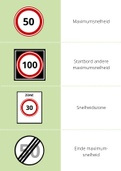
• Body language, sign language, traffic signs, etc
Duality
• Refers to the organisation of language at two levels
• First level: Sounds such as b, a, l, l
• Second level: Sounds are combined with one another to form meaningful words such as “ball”
Structure Dependence
• Words have to be structured in a meaningful way to make sense
• Words are not put together haphazardly, randomly or without logical reasoning
Cultural Transmission
• Language can be transferred from one generation to the next
Displacement
• Allows you to talk about things and events not present in the immediate environment
• What happened, what is happening, what is going to happen and locations other than the
environment we find ourselves in
Creativity (productivity)
• Language can be used to send messages we have never said or heard before
• Creativity is unique to human language
• Language is creative in that we can express ourselves in various ways
,Prevarication
• Our ability as human beings to use language falsely to lie or to deceive
Reflexiveness
• Language can be used to talk or write about itself
Learnability
• Language can be taught and learned
Semanticity
• Our ability to extend meaning to cover things than can be associated with each other, such as
fruit.
Turn-taking
• Refers to what takes place when we interact with others
• It is a social convention that dictates that we give one another turns to talk when in conversation
Spontaneous Usage
• What we do every day and every time we use language to interact
• It is the freedom to express ourselves without inhibition
Vocal Auditory Channel
• Language is produced through the use of vocal organs of speech and perceived through hearing
Functions of Language
The Informal Function
• Language can be used to communicate information verbally or in writing
The Expressive Function
• We use this function to express our feelings and attitudes
• Contrary to the informational function no information is communicated, but we express our feelings
and attitudes to the listener.
• We can tell from the tone of voice what feelings are being expressed
The Directive Function
• This function is used to give instructions or to make requests.
• One expression can function as both a request and an instruction
• The reaction of the listener is important as it will indicate whether they have received and
understood the message that was put across, as intended
,The Aesthetic Function
• When language functions aesthetically, it is used in an artistic manner to show its beauty
• This function is mainly found in literary texts, such as novels and poems
• This function relates to the creative and reflexive features of language
The Phatic Function
• Related to social interaction
• Focus is on the use of language for general purposes such as greeting, starting a conversation or
just recognising the presence of others.
• Aim is to be sociable, not to convey any information or ask a question.
Formal and Informal Language
Formal Language:
• When an individual speaks or writes a language and pays attention to form.
• Formal language is associated with formal contexts and audiences, such as a speech in
parliament.
• The advantage is that formal language have less chance of being misinterpreted by others who do
not share the same context as the sender.
Informal Language:
• Informal language is spoken or written without paying attention to form or grammar
• The speaker or writer is at liberty to use non-standard language
• The context could be a family gathering, a personal message or e-mail, or a conversation among
friends.
Standard and Non-standard Language
• Most languages have different varieties
• There are different variations of English spoken in different countries such as British English,
American English and South African English.
• Each of these varieties of English has a standard form which may be used across the globe
• Among these varieties one becomes the standard form of which the vocabulary and grammar are
recognised as official
• Standard English is defined as a distinct form of the language that differs from other form in its
vocabulary and grammar.
• The standard variety therefore becomes the formal language of government communication,
education, the media and international communication.
• English assumes the position of standard language because of factors such as widespread use
and cultural influence.
, Critical Language Awareness
Critical language awareness entails looking at how we use the words in a language to support,
promote and question certain beliefs or power relations in a society
Register and Genre
Register
• A language variety associated with a topic, subject or activity
• Registers are mostly characterised by the vocabulary used, however, grammatical features may
also be involved
• Any activity may have a specific register that is associated with it. Example: Doctors may refer to
‘prescriptions’, ‘symptoms’, and ‘medication’.
• When speaking or writing, people are expected to use the appropriate register in appropriate
contexts.
Genre
• Is formally used to refer to a particular style of literature, art, film or music, that one can recognise
because of its special features, for example jazz.
• The three basic genres of literature are drama, prose and poetry
• Each genre has subgenres
• Subgenres of drama: tragedy, comedy, tragicomedy (examples)
• Subgenres of prose: fiction and non-fiction (examples)
• Subgenres of poetry: sonnets, epic and lyric poems (examples)
What is language
Language is a system of arbitrary vocal symbols used for human communication
Features of Language
Arbitrariness
• A word that is chosen to name a thing or idea is purely random
• Words are conventionally accepted and used
Symbolic
• Related to the arbitrariness of language
• All languages consist of various sound symbols and their written counterparts that are used to
refer to objects, occurrences or meanings
• These symbols are chosen randomly and are conventionally accepted and used
• Meaning can be conveyed by means other than words
• Body language, sign language, traffic signs, etc
Duality
• Refers to the organisation of language at two levels
• First level: Sounds such as b, a, l, l
• Second level: Sounds are combined with one another to form meaningful words such as “ball”
Structure Dependence
• Words have to be structured in a meaningful way to make sense
• Words are not put together haphazardly, randomly or without logical reasoning
Cultural Transmission
• Language can be transferred from one generation to the next
Displacement
• Allows you to talk about things and events not present in the immediate environment
• What happened, what is happening, what is going to happen and locations other than the
environment we find ourselves in
Creativity (productivity)
• Language can be used to send messages we have never said or heard before
• Creativity is unique to human language
• Language is creative in that we can express ourselves in various ways
,Prevarication
• Our ability as human beings to use language falsely to lie or to deceive
Reflexiveness
• Language can be used to talk or write about itself
Learnability
• Language can be taught and learned
Semanticity
• Our ability to extend meaning to cover things than can be associated with each other, such as
fruit.
Turn-taking
• Refers to what takes place when we interact with others
• It is a social convention that dictates that we give one another turns to talk when in conversation
Spontaneous Usage
• What we do every day and every time we use language to interact
• It is the freedom to express ourselves without inhibition
Vocal Auditory Channel
• Language is produced through the use of vocal organs of speech and perceived through hearing
Functions of Language
The Informal Function
• Language can be used to communicate information verbally or in writing
The Expressive Function
• We use this function to express our feelings and attitudes
• Contrary to the informational function no information is communicated, but we express our feelings
and attitudes to the listener.
• We can tell from the tone of voice what feelings are being expressed
The Directive Function
• This function is used to give instructions or to make requests.
• One expression can function as both a request and an instruction
• The reaction of the listener is important as it will indicate whether they have received and
understood the message that was put across, as intended
,The Aesthetic Function
• When language functions aesthetically, it is used in an artistic manner to show its beauty
• This function is mainly found in literary texts, such as novels and poems
• This function relates to the creative and reflexive features of language
The Phatic Function
• Related to social interaction
• Focus is on the use of language for general purposes such as greeting, starting a conversation or
just recognising the presence of others.
• Aim is to be sociable, not to convey any information or ask a question.
Formal and Informal Language
Formal Language:
• When an individual speaks or writes a language and pays attention to form.
• Formal language is associated with formal contexts and audiences, such as a speech in
parliament.
• The advantage is that formal language have less chance of being misinterpreted by others who do
not share the same context as the sender.
Informal Language:
• Informal language is spoken or written without paying attention to form or grammar
• The speaker or writer is at liberty to use non-standard language
• The context could be a family gathering, a personal message or e-mail, or a conversation among
friends.
Standard and Non-standard Language
• Most languages have different varieties
• There are different variations of English spoken in different countries such as British English,
American English and South African English.
• Each of these varieties of English has a standard form which may be used across the globe
• Among these varieties one becomes the standard form of which the vocabulary and grammar are
recognised as official
• Standard English is defined as a distinct form of the language that differs from other form in its
vocabulary and grammar.
• The standard variety therefore becomes the formal language of government communication,
education, the media and international communication.
• English assumes the position of standard language because of factors such as widespread use
and cultural influence.
, Critical Language Awareness
Critical language awareness entails looking at how we use the words in a language to support,
promote and question certain beliefs or power relations in a society
Register and Genre
Register
• A language variety associated with a topic, subject or activity
• Registers are mostly characterised by the vocabulary used, however, grammatical features may
also be involved
• Any activity may have a specific register that is associated with it. Example: Doctors may refer to
‘prescriptions’, ‘symptoms’, and ‘medication’.
• When speaking or writing, people are expected to use the appropriate register in appropriate
contexts.
Genre
• Is formally used to refer to a particular style of literature, art, film or music, that one can recognise
because of its special features, for example jazz.
• The three basic genres of literature are drama, prose and poetry
• Each genre has subgenres
• Subgenres of drama: tragedy, comedy, tragicomedy (examples)
• Subgenres of prose: fiction and non-fiction (examples)
• Subgenres of poetry: sonnets, epic and lyric poems (examples)