OVERVIEW
Defining Marketing................................................................................................................ 2
Developing Marketing Strategies and Plans.......................................................................6
Gathering Information and Scanning the Environment.....................................................9
Creating Long-Term Loyalty Relationships......................................................................14
Analyzing Consumer Markets............................................................................................17
Identifying Market Segments and Targets........................................................................21
Crafting Brand Positioning.................................................................................................24
Creating Brand Equity........................................................................................................26
Addressing Competition and Driving Growth...................................................................29
Setting Product Strategy....................................................................................................32
Designing and Managing Services....................................................................................36
Introducing new Market Offerings.....................................................................................39
Developing Pricing Strategies and Programs...................................................................41
Designing and Managing Integrated Marketing Channels...............................................44
.............................................................................................................................................. 47
Managing Retailing, Wholesaling and Logistics...............................................................48
Designing and marketing Integrated Marketing Communications..................................51
Managing Mass Communications......................................................................................55
Managing Digital Communication......................................................................................58
Managing Personal Communication: Direct and database marketing............................60
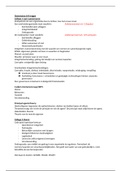
,Summary Marketing Chapter 1
Defining Marketing
Marketing is an organizational function and a set of processes for creating, communicating,
and delivering value to customers and for managing customer relationships in ways that
benefit the organization and its stakeholders. The aim of marketing is to know and
understand the customer so well that the product or service fits him and sells itself.
Marketing management is the art and science of choosing target markets and getting,
keeping, and growing customers through creating, delivering, and communicating superior
customer value.
A marketer is someone who seeks a response from another party, called the Prospect The
aim of marketing is to know and understand the customer so well that the product or service
fits him and sells itself.
What can be marketed (10):
- Goods
- Services
- Events
- Experiences
- People
- Idea
- Information
- Places
- Property
- Organizations
Demand states:
- Latent demand; consumers share need for non-existing product
- Unwholesome demand; consumers are attracted to undesired products (e.g.
tobacco
- Negative demand: Consumers dislike product, may pay to avoid it
- Nonexistent demand: Consumers may be unaware or uninterested in product
- Declining demand: consumers begin to buy product less frequently
- Irregular demand: Consumer purchases vary on seasonal, monthly, weekly daily or
hourly basis
- Full demand: Consumers are adequately buying all products put into marketplace
- Overfull demand: More consumers would buy product than can be satisfied
,Key customer markets:
- Consumer markets: Selling mass consumer goods and services such as juices,
cosmetics, shoes etc.
- Business markets: Selling goods and services to make profit, selling to
professionals with knowledge. Reputation is important
- Global markets: Navigate cultural, language, legal and political differences while
deciding which country to enter
- Nonprofit: Companies selling to no-n profit orgs with limited purchasing power, need
to price carefully
Needs are the basic human requirements. (happiness, food, shelter, clothing)
- Stated needs (explicitly mentioned by customer)
- Real needs (customer wants something that is useful, ow-cost operating car for
example)
- Unstated needs (not mentioned by customer)
- Delight needs (Needs that make it easier)
- Secret needs (consumer is reluctant or unwilling to explicitly verbalize)
Wants are directed to specific objects that might satisfy the need.
Key functions for CMO are (1) strengthening the brand (2) measuring market effectiveness
(3) driving new product development based on customer needs (4) gathering meaningful
customer insights (5) utilizing new market technology
Demands are wants for specific products backed by an ability to pay.
A Marketplace is a physical place (e.g. store) whereas the Marketspace is digital (internet)
A Meta market is a cluster of complementary products and services that are closely linked
Value is the sum of the perceived tangible and intangible benefits and costs to customers.
Customer value triad = quality, service and price
Value Proposition is a set of benefits companies offer customers to satisfy their needs
A Brand is an offering from a known source
Marketing channels; three types: (1) communication channels (e.g. telephone) (2)
distribution channels (e.g. internet displays) (3) service channels (e.g. delivery companies)
Media:
- Paid: TV, magazine and display ads, paying third-party channels
- Owned: media is when you leverage a channel you create and control. This could
be your company blog, YouTube channel, your website, or even your Facebook
, page. Even though you don’t strictly “own” your YouTube channel or your Facebook
page, you do control them and don’t have to pay for basic usage
- Earned: Customers, press or public share your content, speak and discuss about
your brand.
The marketing environment exists of the task environment (producing, distributing,
promoting) and the broad environment (PESTEL)
Satisfaction is a person’s comparative judgment of a products perceived performance (or
outcome) in relation to his or her expectations.
New Consumer capabilities:
- Consumers can search, communicate and purchase on the move
- Consumers can tap into social media to share opinions and express loyalty
- Consumers can actively interact with companies
- Consumers can reject marketing they find inappropriate
Changing channels:
- Retail transformation: Store-based retailers face competition from newspaper,
magazine and tv ads.
- Disintermediation: In the delivery of products by intervening in the traditional flow of
goods. Removing the middleman in the supply chain.
- Reintermediation: Traditional companies adding online services as a response to
disintermediation.
Heightened Competition:
- Private labels: Own-store brands
- Mega-brands: Brands spreading into multiple product categories, e.g. apple
(watches, tvs, laptops)
- Deregulation: Laws restricting companies growing have been loosened to create
better competition
- Privatization: Converting public companies to private to increase efficiency.
Marketing ideas:
- Production concept: Consumers prefer products that are widely available and cheap
- Product concept: Consumers prefer products with high quality and features
- Selling Concept: The more aggressive selling and promotion effort will lead to more
- Marketing Concept: Find the right product for your consumer, focus on needs buyer.
- Holistic Marketing Concept (pp78): Everything matters in marketing and abroad,
integrated perspective is (often) necessary. It consists of:
- Internal Marketing -> Make sure employees have the same view on corporate
Defining Marketing................................................................................................................ 2
Developing Marketing Strategies and Plans.......................................................................6
Gathering Information and Scanning the Environment.....................................................9
Creating Long-Term Loyalty Relationships......................................................................14
Analyzing Consumer Markets............................................................................................17
Identifying Market Segments and Targets........................................................................21
Crafting Brand Positioning.................................................................................................24
Creating Brand Equity........................................................................................................26
Addressing Competition and Driving Growth...................................................................29
Setting Product Strategy....................................................................................................32
Designing and Managing Services....................................................................................36
Introducing new Market Offerings.....................................................................................39
Developing Pricing Strategies and Programs...................................................................41
Designing and Managing Integrated Marketing Channels...............................................44
.............................................................................................................................................. 47
Managing Retailing, Wholesaling and Logistics...............................................................48
Designing and marketing Integrated Marketing Communications..................................51
Managing Mass Communications......................................................................................55
Managing Digital Communication......................................................................................58
Managing Personal Communication: Direct and database marketing............................60
,Summary Marketing Chapter 1
Defining Marketing
Marketing is an organizational function and a set of processes for creating, communicating,
and delivering value to customers and for managing customer relationships in ways that
benefit the organization and its stakeholders. The aim of marketing is to know and
understand the customer so well that the product or service fits him and sells itself.
Marketing management is the art and science of choosing target markets and getting,
keeping, and growing customers through creating, delivering, and communicating superior
customer value.
A marketer is someone who seeks a response from another party, called the Prospect The
aim of marketing is to know and understand the customer so well that the product or service
fits him and sells itself.
What can be marketed (10):
- Goods
- Services
- Events
- Experiences
- People
- Idea
- Information
- Places
- Property
- Organizations
Demand states:
- Latent demand; consumers share need for non-existing product
- Unwholesome demand; consumers are attracted to undesired products (e.g.
tobacco
- Negative demand: Consumers dislike product, may pay to avoid it
- Nonexistent demand: Consumers may be unaware or uninterested in product
- Declining demand: consumers begin to buy product less frequently
- Irregular demand: Consumer purchases vary on seasonal, monthly, weekly daily or
hourly basis
- Full demand: Consumers are adequately buying all products put into marketplace
- Overfull demand: More consumers would buy product than can be satisfied
,Key customer markets:
- Consumer markets: Selling mass consumer goods and services such as juices,
cosmetics, shoes etc.
- Business markets: Selling goods and services to make profit, selling to
professionals with knowledge. Reputation is important
- Global markets: Navigate cultural, language, legal and political differences while
deciding which country to enter
- Nonprofit: Companies selling to no-n profit orgs with limited purchasing power, need
to price carefully
Needs are the basic human requirements. (happiness, food, shelter, clothing)
- Stated needs (explicitly mentioned by customer)
- Real needs (customer wants something that is useful, ow-cost operating car for
example)
- Unstated needs (not mentioned by customer)
- Delight needs (Needs that make it easier)
- Secret needs (consumer is reluctant or unwilling to explicitly verbalize)
Wants are directed to specific objects that might satisfy the need.
Key functions for CMO are (1) strengthening the brand (2) measuring market effectiveness
(3) driving new product development based on customer needs (4) gathering meaningful
customer insights (5) utilizing new market technology
Demands are wants for specific products backed by an ability to pay.
A Marketplace is a physical place (e.g. store) whereas the Marketspace is digital (internet)
A Meta market is a cluster of complementary products and services that are closely linked
Value is the sum of the perceived tangible and intangible benefits and costs to customers.
Customer value triad = quality, service and price
Value Proposition is a set of benefits companies offer customers to satisfy their needs
A Brand is an offering from a known source
Marketing channels; three types: (1) communication channels (e.g. telephone) (2)
distribution channels (e.g. internet displays) (3) service channels (e.g. delivery companies)
Media:
- Paid: TV, magazine and display ads, paying third-party channels
- Owned: media is when you leverage a channel you create and control. This could
be your company blog, YouTube channel, your website, or even your Facebook
, page. Even though you don’t strictly “own” your YouTube channel or your Facebook
page, you do control them and don’t have to pay for basic usage
- Earned: Customers, press or public share your content, speak and discuss about
your brand.
The marketing environment exists of the task environment (producing, distributing,
promoting) and the broad environment (PESTEL)
Satisfaction is a person’s comparative judgment of a products perceived performance (or
outcome) in relation to his or her expectations.
New Consumer capabilities:
- Consumers can search, communicate and purchase on the move
- Consumers can tap into social media to share opinions and express loyalty
- Consumers can actively interact with companies
- Consumers can reject marketing they find inappropriate
Changing channels:
- Retail transformation: Store-based retailers face competition from newspaper,
magazine and tv ads.
- Disintermediation: In the delivery of products by intervening in the traditional flow of
goods. Removing the middleman in the supply chain.
- Reintermediation: Traditional companies adding online services as a response to
disintermediation.
Heightened Competition:
- Private labels: Own-store brands
- Mega-brands: Brands spreading into multiple product categories, e.g. apple
(watches, tvs, laptops)
- Deregulation: Laws restricting companies growing have been loosened to create
better competition
- Privatization: Converting public companies to private to increase efficiency.
Marketing ideas:
- Production concept: Consumers prefer products that are widely available and cheap
- Product concept: Consumers prefer products with high quality and features
- Selling Concept: The more aggressive selling and promotion effort will lead to more
- Marketing Concept: Find the right product for your consumer, focus on needs buyer.
- Holistic Marketing Concept (pp78): Everything matters in marketing and abroad,
integrated perspective is (often) necessary. It consists of:
- Internal Marketing -> Make sure employees have the same view on corporate