Made by: Isabelle Boles
Not for resale
Accounting Notes
Paper 2
1
, Made by: Isabelle Boles
Not for resale
Bank Reconciliations
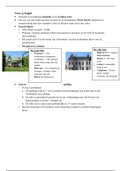
When one compares the bank statement, that is prepared by the bank, your own records, that
you have drawn up, it is likely that there will be differences.
It is important to draw up a bank reconciliation statement, in order to compare these
differences and understand why they occur. Doing a bank reconciliation allows you to:
o Identify any of these differences and the reason why they have occurred.
o Update your records, in the case you have forgotten to record something.
o Ensure that your calculation of the balance in the Bank ledger is correct.
o Let the bank know of any omissions on their part, or any incorrect charges.
What will be in the bank statement but not in your own books?
(these are transactions that will involve money leaving your account – payments)
o Stop orders
o Debit orders
o Dishonoured cheques
o Interest on overdraft
o Bank charges (such as service fees, ATM charges etc. NB! Bank charges and interest
on overdraft are always recorded separately!)
o Any errors you may have made or the bank may have made.
These are shown as DEBITS on the BANK STATEMENT
They must be recorded in the CPJ (Cash Payments Journal)
These must be recorded as CREDITS in your BANK ACCOUNT in the General Ledger
(these are transactions that will involve money entering your account – receipts)
o EFTs
o Interest earned (i.e. you have a positive balance in your bank balance and hence the
bank pays you interest).
o Any errors you have made or the bank may have made.
These are shown as CREDITS on the BANK STATEMENT
They must be recorded in the CRJ (Cash Receipts Journal)
2 ACCOUNT in the General Ledger
These must be recorded as DEBITS in your BANK
, Made by: Isabelle Boles
Not for resale
What will be in our books but not on the bank statement?
o Any outstanding deposits (this means that the deposit had not been processed by the
bank at the time that the bank statement was drawn up).
o Any outstanding cheques (these are cheques that have not been paid by the time the
bank statement was drawn up).
These cheques could be:
▪ Stale
▪ Stolen
▪ Lost
▪ Post dated
o Any errors you have made or the bank may have made.
These differences must be recorded in the BANK RECONCILIATION STATEMENT and
must be checked again the next month.
Previous Month’s Bank Reconciliation Errors in the Bank Statement
Statement
o When the bank makes an error, it could
o The bank account (ledger) balance will either incorrectly debit or credit the
be the balance to be used in the current account.
month’s account (ledger) as the opening o The error must be corrected in the bank
balance. reconciliation statement. Either:
o Any outstanding deposit should be o Debit the amount wrongly
reflected on the current month’s bank credited.
statement. If it does, then both parties o Credit the amount wrongly
know about the deposit and no entry debited.
needs to be made. If it does not then it o If the bank processes the incorrect
must appear as outstanding in the amount then the corrections must be
current month’s bank reconciliation corrected in the bank reconciliation
statement. statement.
o Follow up with the bank as fraud could o Either as a cancellation of an
be occurring particularly with cash old entry and a new entry or
deposits. just enter the difference.
o Any outstanding cheques could also
reflect on the bank statement. However,
these could still be outstanding as
cheques have a 6 month life span. If still
not reflected, the cheques must be
recorded in the current month’s bank
reconciliation statement. If it is
reflected, no entry needs to be entered.
3
, Made by: Isabelle Boles
Not for resale
Stale cheques Cheques stopped for payment at the bank
o Cheques expire after 6 months. o The drawer (the person paying / made
o The bank will not honour the cheque out the cheque) has the option to stop a
(i.e. they will not cash the cheque for payment for many reasons:
you) o Cheque may have been
o The cheque must be cancelled in the obtained fraudulently or
CRJ. dishonestly.
o A new cheque must be issued in the o The trader may be unhappy
CPJ. with the transaction
o The new cheque must be recorded in the ▪ Poor quality work
BRS. ▪ Poor quality goods
o Merchandise has not been
delivered on time.
o Cheque may have been lost or
stolen.
o Debt may have already been
settled.
o These stopped cheques must be
reversed in the CRJ.
o If they are lost or stolen, a new cheque
must be issued in the CPJ and BRS as
an outstanding cheque
Post-dated cheques Errors in the CRJ (Cash Receipts Journal)
Post-dated cheques received (from o The bank teller checks / counts the
debtors) deposit, if there is an error, the teller
o Cheques received from debtors for will correct it on the deposit slip.
future dated payment. o The CRJ must then be corrected by
o Post-dated cheques must be recorded in removing the incorrect amount and then
a register until they become due. recording the correct amount.
o Post-dated cheques received can only be
recorded in the CRJ and deposited on
the due date or after.
Post-dated cheques issued (to creditors)
o Cheques issued for a future dated
payment (remember: the lifespan of a
cheque is 6 months).
o Cheques are ordered in numerical order
not in date order.
o Recorded in the CPJ and BRS if the due
date has not yet arrived.
Errors in the CPJ (Cash Payments Journal)
(value on the Bank Statement is correct)
o Cheque amount wrongly entered in the
CPJ.
o Overstated (too much): record LEARN THESE – THEY COME UP ALL THE
difference in the CRJ. TIME !
o Understated (too little): record the
difference in the CPJ.
4
Not for resale
Accounting Notes
Paper 2
1
, Made by: Isabelle Boles
Not for resale
Bank Reconciliations
When one compares the bank statement, that is prepared by the bank, your own records, that
you have drawn up, it is likely that there will be differences.
It is important to draw up a bank reconciliation statement, in order to compare these
differences and understand why they occur. Doing a bank reconciliation allows you to:
o Identify any of these differences and the reason why they have occurred.
o Update your records, in the case you have forgotten to record something.
o Ensure that your calculation of the balance in the Bank ledger is correct.
o Let the bank know of any omissions on their part, or any incorrect charges.
What will be in the bank statement but not in your own books?
(these are transactions that will involve money leaving your account – payments)
o Stop orders
o Debit orders
o Dishonoured cheques
o Interest on overdraft
o Bank charges (such as service fees, ATM charges etc. NB! Bank charges and interest
on overdraft are always recorded separately!)
o Any errors you may have made or the bank may have made.
These are shown as DEBITS on the BANK STATEMENT
They must be recorded in the CPJ (Cash Payments Journal)
These must be recorded as CREDITS in your BANK ACCOUNT in the General Ledger
(these are transactions that will involve money entering your account – receipts)
o EFTs
o Interest earned (i.e. you have a positive balance in your bank balance and hence the
bank pays you interest).
o Any errors you have made or the bank may have made.
These are shown as CREDITS on the BANK STATEMENT
They must be recorded in the CRJ (Cash Receipts Journal)
2 ACCOUNT in the General Ledger
These must be recorded as DEBITS in your BANK
, Made by: Isabelle Boles
Not for resale
What will be in our books but not on the bank statement?
o Any outstanding deposits (this means that the deposit had not been processed by the
bank at the time that the bank statement was drawn up).
o Any outstanding cheques (these are cheques that have not been paid by the time the
bank statement was drawn up).
These cheques could be:
▪ Stale
▪ Stolen
▪ Lost
▪ Post dated
o Any errors you have made or the bank may have made.
These differences must be recorded in the BANK RECONCILIATION STATEMENT and
must be checked again the next month.
Previous Month’s Bank Reconciliation Errors in the Bank Statement
Statement
o When the bank makes an error, it could
o The bank account (ledger) balance will either incorrectly debit or credit the
be the balance to be used in the current account.
month’s account (ledger) as the opening o The error must be corrected in the bank
balance. reconciliation statement. Either:
o Any outstanding deposit should be o Debit the amount wrongly
reflected on the current month’s bank credited.
statement. If it does, then both parties o Credit the amount wrongly
know about the deposit and no entry debited.
needs to be made. If it does not then it o If the bank processes the incorrect
must appear as outstanding in the amount then the corrections must be
current month’s bank reconciliation corrected in the bank reconciliation
statement. statement.
o Follow up with the bank as fraud could o Either as a cancellation of an
be occurring particularly with cash old entry and a new entry or
deposits. just enter the difference.
o Any outstanding cheques could also
reflect on the bank statement. However,
these could still be outstanding as
cheques have a 6 month life span. If still
not reflected, the cheques must be
recorded in the current month’s bank
reconciliation statement. If it is
reflected, no entry needs to be entered.
3
, Made by: Isabelle Boles
Not for resale
Stale cheques Cheques stopped for payment at the bank
o Cheques expire after 6 months. o The drawer (the person paying / made
o The bank will not honour the cheque out the cheque) has the option to stop a
(i.e. they will not cash the cheque for payment for many reasons:
you) o Cheque may have been
o The cheque must be cancelled in the obtained fraudulently or
CRJ. dishonestly.
o A new cheque must be issued in the o The trader may be unhappy
CPJ. with the transaction
o The new cheque must be recorded in the ▪ Poor quality work
BRS. ▪ Poor quality goods
o Merchandise has not been
delivered on time.
o Cheque may have been lost or
stolen.
o Debt may have already been
settled.
o These stopped cheques must be
reversed in the CRJ.
o If they are lost or stolen, a new cheque
must be issued in the CPJ and BRS as
an outstanding cheque
Post-dated cheques Errors in the CRJ (Cash Receipts Journal)
Post-dated cheques received (from o The bank teller checks / counts the
debtors) deposit, if there is an error, the teller
o Cheques received from debtors for will correct it on the deposit slip.
future dated payment. o The CRJ must then be corrected by
o Post-dated cheques must be recorded in removing the incorrect amount and then
a register until they become due. recording the correct amount.
o Post-dated cheques received can only be
recorded in the CRJ and deposited on
the due date or after.
Post-dated cheques issued (to creditors)
o Cheques issued for a future dated
payment (remember: the lifespan of a
cheque is 6 months).
o Cheques are ordered in numerical order
not in date order.
o Recorded in the CPJ and BRS if the due
date has not yet arrived.
Errors in the CPJ (Cash Payments Journal)
(value on the Bank Statement is correct)
o Cheque amount wrongly entered in the
CPJ.
o Overstated (too much): record LEARN THESE – THEY COME UP ALL THE
difference in the CRJ. TIME !
o Understated (too little): record the
difference in the CPJ.
4