Unit 2 – P7 Task
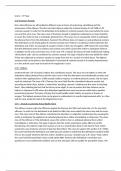
S.39 Common Assault.
Non- fatal offences are all handled in different ways in terms of sentencing, identifying and the
seriousness of the offence. The first non-fatal offence under the Criminal Justice Act of 1988 is S.39
common assault. In order for the defendant to be liable for common assault, they must satisfy the mens
reus and the actus reus. The mens reus of Common Assault is subjective recklessness or clear intention
to cause the victim to fear or anticipate physical force. The actus reus is causing the victim to anticipate
the physical force from the defendant, however this offence does not require an actual physical contact.
The defendant can be found guilty of Common Assault even if there is no physical contact between the
defendant and victim. An example of assault is shown in the case of Logden v DPP where the court held
that the defendant acted in a reckless and careless way which caused the victim to anticipate violence.
In addition to the actus and mens reus, in the case of R v Ireland, the house of lords clarified that making
‘silent phone calls’ can be considered as common assault. The type of injuries that may befall the victim
if they are subjected to common assault can range from fear to a scratch or verbal abuse. The highest
sentence that can be given to the defendant if convicted of common assault is 6 months imprisonment
or a fine and the case must be heard at the magistrate’s court.
S.39 – Battery
Underneath the s.39 of assault, battery also constitutes assault. The actus reus of battery is when the
defendant utilizes physical force and the mens reus is that the defendant was intentionally careless and
reckless when applying force. Unlike assault, battery requires an evident physical contact, but no injury
must be sustained. The case of R v Thomas, the court held that he committed indecent assault, but
according to obiter dicta, Ackner LJ stated that ‘touching a person’s clothing was the same as touching
them’, thus initiating the fact that the force can be slight. A case to portray that the violence can be
indirect is Haystead v DPP where the defendant applied force onto one person which led to another
person being injured. The types of injury that would qualify under battery are grazes or bruises or
scrapes. The highest sentence that can be given to a defendant is 6 months imprisonment with/ or a fine
and the case would be tried at the Magistrates Court.
S.47 – Assault occasioning Actual Bodily Harm
This offence comes under the Offences Against the Persons Act 1861 and under the s.47 for non-fatal
offences. In order for the defendant to be liable for ABH, they must satisfy the mens reus and the actus
reus. The mens reus of this offence constitutes the intention or subjective recklessness thus causing the
victim to anticipate the appliance of unlawful physical force either immediately or otherwise. The actus
reus of this offence is if the defendant causes the victim to fear or anticipate physical force either
immediately or otherwise. The type of injuries that the victim would have under ABH are not life
threatening. The injuries range from a graze or cut to a small broken bone in the hand or foot, which
would not cause immense amount of pain but discomfort. The cases to support this section is R v Miller,
the court held that the defendant was liable because Linskey J stated that the defendant would be liable
if he or she would ‘interfere with the victim’s health in any way’. Another case is R v Chan- Fook, where
the court held that psychiatric injury could satisfy ABH, however the defendant’s conviction was
quashed as it was stated that emotions such as fear and panic did not qualify for psychiatric injury. The
S.39 Common Assault.
Non- fatal offences are all handled in different ways in terms of sentencing, identifying and the
seriousness of the offence. The first non-fatal offence under the Criminal Justice Act of 1988 is S.39
common assault. In order for the defendant to be liable for common assault, they must satisfy the mens
reus and the actus reus. The mens reus of Common Assault is subjective recklessness or clear intention
to cause the victim to fear or anticipate physical force. The actus reus is causing the victim to anticipate
the physical force from the defendant, however this offence does not require an actual physical contact.
The defendant can be found guilty of Common Assault even if there is no physical contact between the
defendant and victim. An example of assault is shown in the case of Logden v DPP where the court held
that the defendant acted in a reckless and careless way which caused the victim to anticipate violence.
In addition to the actus and mens reus, in the case of R v Ireland, the house of lords clarified that making
‘silent phone calls’ can be considered as common assault. The type of injuries that may befall the victim
if they are subjected to common assault can range from fear to a scratch or verbal abuse. The highest
sentence that can be given to the defendant if convicted of common assault is 6 months imprisonment
or a fine and the case must be heard at the magistrate’s court.
S.39 – Battery
Underneath the s.39 of assault, battery also constitutes assault. The actus reus of battery is when the
defendant utilizes physical force and the mens reus is that the defendant was intentionally careless and
reckless when applying force. Unlike assault, battery requires an evident physical contact, but no injury
must be sustained. The case of R v Thomas, the court held that he committed indecent assault, but
according to obiter dicta, Ackner LJ stated that ‘touching a person’s clothing was the same as touching
them’, thus initiating the fact that the force can be slight. A case to portray that the violence can be
indirect is Haystead v DPP where the defendant applied force onto one person which led to another
person being injured. The types of injury that would qualify under battery are grazes or bruises or
scrapes. The highest sentence that can be given to a defendant is 6 months imprisonment with/ or a fine
and the case would be tried at the Magistrates Court.
S.47 – Assault occasioning Actual Bodily Harm
This offence comes under the Offences Against the Persons Act 1861 and under the s.47 for non-fatal
offences. In order for the defendant to be liable for ABH, they must satisfy the mens reus and the actus
reus. The mens reus of this offence constitutes the intention or subjective recklessness thus causing the
victim to anticipate the appliance of unlawful physical force either immediately or otherwise. The actus
reus of this offence is if the defendant causes the victim to fear or anticipate physical force either
immediately or otherwise. The type of injuries that the victim would have under ABH are not life
threatening. The injuries range from a graze or cut to a small broken bone in the hand or foot, which
would not cause immense amount of pain but discomfort. The cases to support this section is R v Miller,
the court held that the defendant was liable because Linskey J stated that the defendant would be liable
if he or she would ‘interfere with the victim’s health in any way’. Another case is R v Chan- Fook, where
the court held that psychiatric injury could satisfy ABH, however the defendant’s conviction was
quashed as it was stated that emotions such as fear and panic did not qualify for psychiatric injury. The