Mood Disorders 2:
Monday, 25 February 2019 13:54
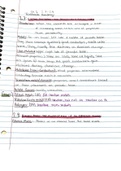
Psychosocial Theory:
Brown & Harris (1978) The Social Origins of Depression
Vulnerability Factors (Brown and Harris, 1978)
- Lower socio-economic status.
- Social exclusion.
- Lack of social support or confiding partner.
Low/absent parental care (Bifulco, 2013; Bifulco & Morgan, 1998):
- Abandonment or death of mother in childhood.
- Incompetent parenting.
- Neglect or abuse.
Provoking agents (Harris et al, 1990):
- Caring for young children
Maladaptive parental behaviour (MBP):
- Discord between parents, parental anger, inconsistent interest in
child, maternal verbal abuse.
- Corporal punishment (Physically disciplining children in order to
correct behaviour).
- Marital conflict and witnessing violence.
- Positively associated with adult low self esteem, anxiety, depression
and alcohol abuse (Straus & Kantor, 1994).
Stressful life events/ loss (e.g. job loss/redundancy, bereavement,
divorce)
- Divorced men 9x more depressed than married men. Divorced
women 3x more depressed than married women.
- Only men faced a heightened risk of developing mood disorders for
the first time immediately following a marital split.
- Unemployment (Warr, 1987).
Meaning is the key:
- Interaction of life event (stressor) and vulnerability (diathesis)
explains why only 20-25% of individuals develop depression after
severe life events.
Behavioural theory:
- Depression results from a lack of appropriate reinforcement for
, - Interaction of life event (stressor) and vulnerability (diathesis)
explains why only 20-25% of individuals develop depression after
severe life events.
Behavioural theory:
- Depression results from a lack of appropriate reinforcement for
positive and constructive behaviours (Lewinsohn, 1974).
- Person becomes inactive and withdrawn.
- Socially this can lead to communicating negative attitudes to others,
appearing withdrawn and unresponsive.
- Symptoms of depression are exacerbated.
Evidence (Lewinsohn et al, 1979; Jacobson et al, 2001):
- Losses are followed by periods of depression.
- Depressed report fewer rewards in life.
- Introducing rewards elevates depressed mood.
- Depressed elicit more negative reactions in others (Joiner, 2002),
appear withdrawn and unresponsive and tend to demand
reassurance.
- Non-depressed controls displays less positive social behaviour, are
less verbal and less positive when interacting with depressed
individuals compared to the non depressed (Gotlib & Robinson,
1982).
Criticism:
- Not a causal theory of depression. Doesn't say why depression is
there in the first place.
- More a maintenance theory of depression.
Interpersonal theory
Role of interpersonal factors:
- Social support buffers the impact of negative life events.
- With good social support and fewer conflict with friends, depressed
recover more quickly (Keiter et al, 1995).
- Living in a family with a lot of nagging, criticisms and emotional
outbursts (high expressed emotions) has been associated with the
heightened risk of relapse (Hooley & Teasdale, 1989).
- Interpersonal therapy focuses on the role of interpersonal
relationships in the maintenance of depression.
Learned Helplessness Theory (Seligman, 1975)
- Negative uncontrollable events give rise to a 'cognitive set' that leads
the individual to become depressed (i.e. lethargic, helpless).
- "Battered woman syndrome": if the dogs receive unavoidable shocks
and put them in a situation where they can escape, they don't have
proactive behaviours and they don't act even if they can escape and
exit.
Monday, 25 February 2019 13:54
Psychosocial Theory:
Brown & Harris (1978) The Social Origins of Depression
Vulnerability Factors (Brown and Harris, 1978)
- Lower socio-economic status.
- Social exclusion.
- Lack of social support or confiding partner.
Low/absent parental care (Bifulco, 2013; Bifulco & Morgan, 1998):
- Abandonment or death of mother in childhood.
- Incompetent parenting.
- Neglect or abuse.
Provoking agents (Harris et al, 1990):
- Caring for young children
Maladaptive parental behaviour (MBP):
- Discord between parents, parental anger, inconsistent interest in
child, maternal verbal abuse.
- Corporal punishment (Physically disciplining children in order to
correct behaviour).
- Marital conflict and witnessing violence.
- Positively associated with adult low self esteem, anxiety, depression
and alcohol abuse (Straus & Kantor, 1994).
Stressful life events/ loss (e.g. job loss/redundancy, bereavement,
divorce)
- Divorced men 9x more depressed than married men. Divorced
women 3x more depressed than married women.
- Only men faced a heightened risk of developing mood disorders for
the first time immediately following a marital split.
- Unemployment (Warr, 1987).
Meaning is the key:
- Interaction of life event (stressor) and vulnerability (diathesis)
explains why only 20-25% of individuals develop depression after
severe life events.
Behavioural theory:
- Depression results from a lack of appropriate reinforcement for
, - Interaction of life event (stressor) and vulnerability (diathesis)
explains why only 20-25% of individuals develop depression after
severe life events.
Behavioural theory:
- Depression results from a lack of appropriate reinforcement for
positive and constructive behaviours (Lewinsohn, 1974).
- Person becomes inactive and withdrawn.
- Socially this can lead to communicating negative attitudes to others,
appearing withdrawn and unresponsive.
- Symptoms of depression are exacerbated.
Evidence (Lewinsohn et al, 1979; Jacobson et al, 2001):
- Losses are followed by periods of depression.
- Depressed report fewer rewards in life.
- Introducing rewards elevates depressed mood.
- Depressed elicit more negative reactions in others (Joiner, 2002),
appear withdrawn and unresponsive and tend to demand
reassurance.
- Non-depressed controls displays less positive social behaviour, are
less verbal and less positive when interacting with depressed
individuals compared to the non depressed (Gotlib & Robinson,
1982).
Criticism:
- Not a causal theory of depression. Doesn't say why depression is
there in the first place.
- More a maintenance theory of depression.
Interpersonal theory
Role of interpersonal factors:
- Social support buffers the impact of negative life events.
- With good social support and fewer conflict with friends, depressed
recover more quickly (Keiter et al, 1995).
- Living in a family with a lot of nagging, criticisms and emotional
outbursts (high expressed emotions) has been associated with the
heightened risk of relapse (Hooley & Teasdale, 1989).
- Interpersonal therapy focuses on the role of interpersonal
relationships in the maintenance of depression.
Learned Helplessness Theory (Seligman, 1975)
- Negative uncontrollable events give rise to a 'cognitive set' that leads
the individual to become depressed (i.e. lethargic, helpless).
- "Battered woman syndrome": if the dogs receive unavoidable shocks
and put them in a situation where they can escape, they don't have
proactive behaviours and they don't act even if they can escape and
exit.