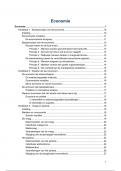
Inhoudsopgave
Week 1: course introduction.......................................................................................................................... 2
Systemic instruments for systemic innovation problems: a framework for policy makers and innovation
scholars................................................................................................................................................................2
The theory of technological innovation systems..................................................................................................5
Week 1: structure of (national) innovation systems........................................................................................ 8
Systems of innovation: perspectives and challenges...........................................................................................8
Week 2: Technological Innovation Systems (TIS)........................................................................................... 10
functions of innovation systems: a new approach for analyzing technological change...................................10
The bumpy road of biomass gasification in the Netherlands: Explaining the rise and fall of an emerging
innovation system..............................................................................................................................................12
Week 4: systemic problems.......................................................................................................................... 12
Lock-in of mature innovation systems: the transformation toward clean concrete in the Netherlands...........12
Week 5: innovation system policy................................................................................................................ 13
Legitimizing research, technology and innovation policies for transformative change, combining insights
from innovations systems and MLP in a comprehensive “failures” framework................................................13
Creative destruction or mere niche support? Innovation policy mixes for sustainability transitions................16
Week 6: Multi-level perspective and SNM.................................................................................................... 17
Technological transitions as evolutionary reconfiguration processes: a multi-level perspective and a case-
study...................................................................................................................................................................17
Technological innovation systems and the multi-level perspective: towards an integrated framework..........19
1
,Week 1: course introduction
Systemic instruments for systemic innovation problems: a
framework for policy makers and innovation scholars
Introduction
Current pathways of economic development are not sustainable. heavily
depended on fossil fuels enormous negative environmental effects. Policy makers
are trying to change the direction of technological change by innovation policies that
address society’s grand challenges.
The basic idea behind systemic instruments is that they aim to address problems that
arise at the innovation system level and which negatively influence the speed and
direction of innovation processes. These problems are often referred to as systemic
weaknesses or systemic failures. They hinder the operation and development of the
innovation system as a whole
There are two approaches to study innovation systems: the structural and functional
analysis. These can be combined and provide analytical building blocks of a systemic
policy framework that helps to:
-identify systemic problems
-suggest systemic instruments to address the obstacles that are identified.
Structural elements of innovation systems
Structural elements in the literature
There are national or regional (geo), sectoral (beyond national boundaries) and
technological innovation systems (same but more specific).
Structural components: actors, institutions, interactions and infrastructure
System components: government, supply side, intermediary infrastructure, demand
side, knowledge + investment infrastructure
Policy workers cannot easily learn from the structures of other ISs because local
specificities make it difficult to transfer elements of one system to another in the
expectation that they would perform equally well.
Structural dimensions of a TIS
For analyzing TIS we delineate categories of actors (individuals, organizations and
networks) based on their role in the economic activity.
Institutions encompass a set of common habits, routines, and shared concepts used
by humans in repetitive situations (soft institutions) organized by rules, norms and
strategies (hard institutions).
Interactions are dynamic and can also be described as networks to show cooperative
relationships and links between actors. But a network can also be about actors and
interactions don’t only occur within a network.
Infrastructure. There is physical, knowledge and financial.
2
, Functions of innovation systems
functions in the literature
functional analysis focusses on the processes that are important for innovation systems to
perform well. The processes are categorized as system functions:
-entrepreneurial activities
-knowledge development
-knowledge diffusion
-guidance of the search
-market formation
-mobilization resources
-creation of legitimacy
Functions and structure
There are two reasons why functions alone are not a good basis on which to develop
successful systemic innovation policies:
-functions cannot be influenced without altering a structural element.
-if the functions are used as the sole basis for policy, then uncertainty emerges regarding the
completeness of the identified list of blocking mechanism and of the policy issues.
The reason why a system function is absent or weak can be related to the structure of the IS
(actors, interactions, infrastructure, institutions). Be bettering these the functions can be
strengthened.
Systemic problems
Systemic problems in the literature
The innovation literature refers to problems that hinder the development of innovation
systems as systemic problems, failures or weaknesses.
Problems versus structure
A system does not function as a system if there is a problem with any of the components
(infrastructure, institutions, actors) or interactions.
systemic problems can be defined as factors that negatively influence the direction and
speed of innovation processes and hinder the development and functioning of the ISs.
Who to involve and in what capacity they should be involved, is therefore de- pendent on
the system being analyzed and its socio-economic and political environment.
Functions, structure and systemic problems
Systemic instruments
Systemic instruments for systemic problems
The identification of the type of systemic problems should be a precondition for a selection
of strategies and tools that would target them and thus influence the overall functioning of
the IS.
Goals versus functions
3
Week 1: course introduction.......................................................................................................................... 2
Systemic instruments for systemic innovation problems: a framework for policy makers and innovation
scholars................................................................................................................................................................2
The theory of technological innovation systems..................................................................................................5
Week 1: structure of (national) innovation systems........................................................................................ 8
Systems of innovation: perspectives and challenges...........................................................................................8
Week 2: Technological Innovation Systems (TIS)........................................................................................... 10
functions of innovation systems: a new approach for analyzing technological change...................................10
The bumpy road of biomass gasification in the Netherlands: Explaining the rise and fall of an emerging
innovation system..............................................................................................................................................12
Week 4: systemic problems.......................................................................................................................... 12
Lock-in of mature innovation systems: the transformation toward clean concrete in the Netherlands...........12
Week 5: innovation system policy................................................................................................................ 13
Legitimizing research, technology and innovation policies for transformative change, combining insights
from innovations systems and MLP in a comprehensive “failures” framework................................................13
Creative destruction or mere niche support? Innovation policy mixes for sustainability transitions................16
Week 6: Multi-level perspective and SNM.................................................................................................... 17
Technological transitions as evolutionary reconfiguration processes: a multi-level perspective and a case-
study...................................................................................................................................................................17
Technological innovation systems and the multi-level perspective: towards an integrated framework..........19
1
,Week 1: course introduction
Systemic instruments for systemic innovation problems: a
framework for policy makers and innovation scholars
Introduction
Current pathways of economic development are not sustainable. heavily
depended on fossil fuels enormous negative environmental effects. Policy makers
are trying to change the direction of technological change by innovation policies that
address society’s grand challenges.
The basic idea behind systemic instruments is that they aim to address problems that
arise at the innovation system level and which negatively influence the speed and
direction of innovation processes. These problems are often referred to as systemic
weaknesses or systemic failures. They hinder the operation and development of the
innovation system as a whole
There are two approaches to study innovation systems: the structural and functional
analysis. These can be combined and provide analytical building blocks of a systemic
policy framework that helps to:
-identify systemic problems
-suggest systemic instruments to address the obstacles that are identified.
Structural elements of innovation systems
Structural elements in the literature
There are national or regional (geo), sectoral (beyond national boundaries) and
technological innovation systems (same but more specific).
Structural components: actors, institutions, interactions and infrastructure
System components: government, supply side, intermediary infrastructure, demand
side, knowledge + investment infrastructure
Policy workers cannot easily learn from the structures of other ISs because local
specificities make it difficult to transfer elements of one system to another in the
expectation that they would perform equally well.
Structural dimensions of a TIS
For analyzing TIS we delineate categories of actors (individuals, organizations and
networks) based on their role in the economic activity.
Institutions encompass a set of common habits, routines, and shared concepts used
by humans in repetitive situations (soft institutions) organized by rules, norms and
strategies (hard institutions).
Interactions are dynamic and can also be described as networks to show cooperative
relationships and links between actors. But a network can also be about actors and
interactions don’t only occur within a network.
Infrastructure. There is physical, knowledge and financial.
2
, Functions of innovation systems
functions in the literature
functional analysis focusses on the processes that are important for innovation systems to
perform well. The processes are categorized as system functions:
-entrepreneurial activities
-knowledge development
-knowledge diffusion
-guidance of the search
-market formation
-mobilization resources
-creation of legitimacy
Functions and structure
There are two reasons why functions alone are not a good basis on which to develop
successful systemic innovation policies:
-functions cannot be influenced without altering a structural element.
-if the functions are used as the sole basis for policy, then uncertainty emerges regarding the
completeness of the identified list of blocking mechanism and of the policy issues.
The reason why a system function is absent or weak can be related to the structure of the IS
(actors, interactions, infrastructure, institutions). Be bettering these the functions can be
strengthened.
Systemic problems
Systemic problems in the literature
The innovation literature refers to problems that hinder the development of innovation
systems as systemic problems, failures or weaknesses.
Problems versus structure
A system does not function as a system if there is a problem with any of the components
(infrastructure, institutions, actors) or interactions.
systemic problems can be defined as factors that negatively influence the direction and
speed of innovation processes and hinder the development and functioning of the ISs.
Who to involve and in what capacity they should be involved, is therefore de- pendent on
the system being analyzed and its socio-economic and political environment.
Functions, structure and systemic problems
Systemic instruments
Systemic instruments for systemic problems
The identification of the type of systemic problems should be a precondition for a selection
of strategies and tools that would target them and thus influence the overall functioning of
the IS.
Goals versus functions
3