Anxiety and related disorders Case 2
Fear
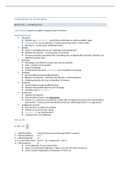
Problem statement: “What are specific phobias and how do they develop?”
Learning goals:
I. What is specific phobia, and what types of specific phobia exist?
II. What is the difference in BII-phobia?
III. How can you treat specific phobia?
IV. What is the two factor model of Mowrer?
V. What is the learning theory? (Field)
VI. What is the criticism on conditioning as an explanation for phobias?
What is specific phobia, and what types of specific phobia exist?1
DSM-criteria
A. Marked fear or anxiety about a specific object or situation (e.g., flying, heights, animals,
injections, seeing blood).
B. The phobic object or situation almost always provokes immediate fear or anxiety.
C. The phobic object or situation is actively avoided or endured with intense fear or anxiety.
D. The fear or anxiety is out of proportion to the actual danger posed by the specific object or
situation and to the sociocultural context.
E. The fear, anxiety, or avoidance is persistent, typically lasting for ≥6 months.
F. The fear, anxiety, or avoidance causes clinically significant distress or impairment in social,
occupational, or other important areas of functioning.
G. The disturbance is not better explained by the symptoms of another mental disorder.
Specifiers (ranged from most to less common)
Situational – airplanes, elevators, enclosed places, driving, tunnels.
o Strong concerns as losing control, going crazy and suffocating + strong urge to escape.
Natural environment – heights, storms, water, tornados, dark, water.
o Dizziness and strong avoidance dispositions + concerns of potential danger of the situation.
Animals – spiders, insects, dogs, snakes, rats, mice, etc.
o Fear response + central concern of freaking out and losing control.
Blood-injection-injury (BII) – seeing blood, needles, invasive medical procedures, blood
draws, open wounds.
o Diphasic fear response leading to fainting (syncope) + concern of fainting and nausea.
Other – fear cued by other stimuli, like toys, choking or vomiting, clowns, loud sounds
Situational specific phobia vs. agoraphobia
Agoraphobia = fear and avoidance of being alone or in public places from which escape might be
difficult or help might be unavailable.
Agoraphobia often occurs without any history of panic disorder or panic-like symptoms.
→ So, it’s arguable that agoraphobia could be included in situational specific phobias.
o The only difference is that fear and avoidance have to be reported for ≥2 situations
to meet the criteria for the diagnosis of agoraphobia.
o In specific phobia, the cued fear response increases closer to the stimulus and fades
when the cue disappears.
1
Adams et al. (2014). Specific phobias.
, Prevalence
41-50% of the general population experiences specific fears during their lifetime, but these fears are
rarely sufficient to be diagnosed with specific phobia.
→ The 12-month community prevalence = 7-9%
→ Males < females = 1:2
→ More common among adolescents and less common among older adults
→ 48% mild, 30% moderate, 22% severe
Comorbidity
A specific phobia often develops secondary to another anxiety disorder.
Specific phobias can co-occur with nonanxious disorders ((hypo)manic episodes, ODD, ADHD, alcohol
dependence).
Differential diagnosis
Panic disorder (high anticipatory anxiety across a range of situations; recurrent, unexpected panic
attacks in the absence of any phobic cues; and interpretation of physical symptoms as dangerous)
Social anxiety disorder (concern over being embarrassed and negatively evaluated by others)
Obsessive-compulsive disorder (experiencing intrusive, unwanted thoughts; avoidance of objects
related to obsessional theme)
Posttraumatic stress disorder (onset following a potential life-threatening stressor; emotional
numbing and reexperiencing the trauma)
Separation anxiety disorder (in children; fear in perceived and actual separation from family)
Distinction from other anxiety disorders
Three components of the process of anxiety:
1. Motoric escape and avoidance
2. Physiological activation of the sympathetic system
3. Cognitive appraisals of threat and harm
These features contribute to the distinctiveness of specific phobia from other anxiety disorders.
Social phobia is also focal in nature, but the content of the fear network is interpersonal.
Avoidance of anticipated negative events rather than escape from current ones, and
pervasive dread of future interpersonal events predominate over physiological activation
In panic disorder (with agoraphobia) it is the panic response itself rather than the triggers for
it that distinguishes panic disorder from specific phobia
The occurrence of PTSD requires a direct experience that elicited objective harm or the
induction of terror when indirectly experienced. Direct experience is no feature of specific
phobia.
GAD is most distinguishable. It is characterized by little sympathetic branch autonomic
arousal and predominance of pervasive, vague, context-independent concerns of future
danger and absence of safety
OCD has various anxious themes (checking for danger, contamination aversion) but,
compared to specific phobic reaction, there is less in the way of physiologic arousal or
arousal reduction associated with repetitious or ritualistic behavior. Obsessions are far more
chronic and repetitive and, at times, are much more bizarrely themed than more basic threat
cognitions in specific phobias. Compulsions are also much more complex, repetitive, and
bizarre compared to escape and avoidance in specific phobias.
Etiology
Biological and psychological factors:
→ Trait anxiety, neuroticism, and behavioral inhibition.
Environmental factors:
Fear
Problem statement: “What are specific phobias and how do they develop?”
Learning goals:
I. What is specific phobia, and what types of specific phobia exist?
II. What is the difference in BII-phobia?
III. How can you treat specific phobia?
IV. What is the two factor model of Mowrer?
V. What is the learning theory? (Field)
VI. What is the criticism on conditioning as an explanation for phobias?
What is specific phobia, and what types of specific phobia exist?1
DSM-criteria
A. Marked fear or anxiety about a specific object or situation (e.g., flying, heights, animals,
injections, seeing blood).
B. The phobic object or situation almost always provokes immediate fear or anxiety.
C. The phobic object or situation is actively avoided or endured with intense fear or anxiety.
D. The fear or anxiety is out of proportion to the actual danger posed by the specific object or
situation and to the sociocultural context.
E. The fear, anxiety, or avoidance is persistent, typically lasting for ≥6 months.
F. The fear, anxiety, or avoidance causes clinically significant distress or impairment in social,
occupational, or other important areas of functioning.
G. The disturbance is not better explained by the symptoms of another mental disorder.
Specifiers (ranged from most to less common)
Situational – airplanes, elevators, enclosed places, driving, tunnels.
o Strong concerns as losing control, going crazy and suffocating + strong urge to escape.
Natural environment – heights, storms, water, tornados, dark, water.
o Dizziness and strong avoidance dispositions + concerns of potential danger of the situation.
Animals – spiders, insects, dogs, snakes, rats, mice, etc.
o Fear response + central concern of freaking out and losing control.
Blood-injection-injury (BII) – seeing blood, needles, invasive medical procedures, blood
draws, open wounds.
o Diphasic fear response leading to fainting (syncope) + concern of fainting and nausea.
Other – fear cued by other stimuli, like toys, choking or vomiting, clowns, loud sounds
Situational specific phobia vs. agoraphobia
Agoraphobia = fear and avoidance of being alone or in public places from which escape might be
difficult or help might be unavailable.
Agoraphobia often occurs without any history of panic disorder or panic-like symptoms.
→ So, it’s arguable that agoraphobia could be included in situational specific phobias.
o The only difference is that fear and avoidance have to be reported for ≥2 situations
to meet the criteria for the diagnosis of agoraphobia.
o In specific phobia, the cued fear response increases closer to the stimulus and fades
when the cue disappears.
1
Adams et al. (2014). Specific phobias.
, Prevalence
41-50% of the general population experiences specific fears during their lifetime, but these fears are
rarely sufficient to be diagnosed with specific phobia.
→ The 12-month community prevalence = 7-9%
→ Males < females = 1:2
→ More common among adolescents and less common among older adults
→ 48% mild, 30% moderate, 22% severe
Comorbidity
A specific phobia often develops secondary to another anxiety disorder.
Specific phobias can co-occur with nonanxious disorders ((hypo)manic episodes, ODD, ADHD, alcohol
dependence).
Differential diagnosis
Panic disorder (high anticipatory anxiety across a range of situations; recurrent, unexpected panic
attacks in the absence of any phobic cues; and interpretation of physical symptoms as dangerous)
Social anxiety disorder (concern over being embarrassed and negatively evaluated by others)
Obsessive-compulsive disorder (experiencing intrusive, unwanted thoughts; avoidance of objects
related to obsessional theme)
Posttraumatic stress disorder (onset following a potential life-threatening stressor; emotional
numbing and reexperiencing the trauma)
Separation anxiety disorder (in children; fear in perceived and actual separation from family)
Distinction from other anxiety disorders
Three components of the process of anxiety:
1. Motoric escape and avoidance
2. Physiological activation of the sympathetic system
3. Cognitive appraisals of threat and harm
These features contribute to the distinctiveness of specific phobia from other anxiety disorders.
Social phobia is also focal in nature, but the content of the fear network is interpersonal.
Avoidance of anticipated negative events rather than escape from current ones, and
pervasive dread of future interpersonal events predominate over physiological activation
In panic disorder (with agoraphobia) it is the panic response itself rather than the triggers for
it that distinguishes panic disorder from specific phobia
The occurrence of PTSD requires a direct experience that elicited objective harm or the
induction of terror when indirectly experienced. Direct experience is no feature of specific
phobia.
GAD is most distinguishable. It is characterized by little sympathetic branch autonomic
arousal and predominance of pervasive, vague, context-independent concerns of future
danger and absence of safety
OCD has various anxious themes (checking for danger, contamination aversion) but,
compared to specific phobic reaction, there is less in the way of physiologic arousal or
arousal reduction associated with repetitious or ritualistic behavior. Obsessions are far more
chronic and repetitive and, at times, are much more bizarrely themed than more basic threat
cognitions in specific phobias. Compulsions are also much more complex, repetitive, and
bizarre compared to escape and avoidance in specific phobias.
Etiology
Biological and psychological factors:
→ Trait anxiety, neuroticism, and behavioral inhibition.
Environmental factors: