Economics for the Global Era
Preview version
Preview version for the course Economics for the Global Era – IBA Vrije Universiteit
Amsterdam.
Let me know what you guys think!
Overview
Part 1: Introduction to Economics .............................................................................................................................................. 1
Chapter 1. The Principles of economics ....................................................................................................................... 1
Chapter 2. Economic Methods and Economic Questions......................................................................................... 3
Chapter 3. Optimization ................................................................................................................................................. 4
Chapter 4. Demand, Supply, and Equilibrium ............................................................................................................. 5
Part 2: Foundation of Microeconomics ........................................................................................................................................ 7
Chapter 5. Consumers and Incentives .......................................................................................................................... 7
Chapter 6. Sellers and Incentives.................................................................................................................................10
Chapter 7. Perfect Competition and the Invisible Hand ..........................................................................................13
Chapter 8. Trade ............................................................................................................................................................14
Chapter 9. Externalities and Public Goods ................................................................................................................16
Chapter 10. The Government in the Economy: Taxation and Regulation ............................................................19
Chapter 11. Markets for Factor of Production ..........................................................................................................21
Part 3: Market Structure ........................................................................................................................................................23
Chapter 12. Monopoly ..................................................................................................................................................23
Part 4: Extending the Microeconomic Toolbox .........................................................................................................................24
Chapter 16. The Economics of Information .............................................................................................................24
Chapter 17. Auctions and Bargaining ........................................................................................................................... 2
Part 5: Introduction to Macroeconomics ...................................................................................................................................... 4
Chapter 19. The Wealth of Nations: Defining and Measuring Macroeconomic Aggregates .................................4
Chapter 20. Aggregate Incomes ..................................................................................................................................32
Part 6: Long-Run Growth and Development ............................................................................................................................34
Chapter 21. Economic Growth ...................................................................................................................................34
Chapter 22. Why Isn’t the Whole World Developed? ..............................................................................................36
Part 7: Extending the Microeconomic Toolbox .........................................................................................................................38
Chapter 23. Employment and Unemployment ..........................................................................................................38
Part 8: Short-Run Fluctuations and Macroeconomic Policy .......................................................................................................40
Chapter 26. Short-Run Fluctuations ...........................................................................................................................40
Part 9: Macroeconomics in the Global Economy .......................................................................................................................42
Chapter 28. Macroeconomics and International Trade ............................................................................................43
, Chapter 17. Auctions and Bargaining
17.1 Auctions
Auction = a market process in which potential buyers bid on a good and the highest bidder
receives the good
Some goods don’t have well-established prices, making auctions a particularly useful method of selling that
encourages price discovery.
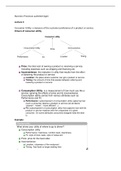
Types of auctions
Auctions can be split along two features:
1. How people place their bids
2. How price is determined
How bids are placed:
Open-outcry auction = bids are public. Auction in which bids are public and bidders compete
actively against each other
Sealed bid auction = auction in which bids are private, so that no bidder knows the bid of any
other participant
Four auction types:
1. Open outcry: English auction = (ascending price) auction in which the price increases
until there is only one standing bid and that bidder wins the item and pays his bid
- Dominant strategy: the winner will be the highest value bidder, and he or she
pays a price equal to the second-highest value (or slightly more if the second-
highest bidder bids his value exactly).
2. Open outcry: Dutch auction = (descending price) auction in which the price decreases
until a bidder stops the auction and that bidders wins and pays
number of competitors
- Strategy: willingness to pay x total number of bidders
3. Sealed bid: first-price auction = auction in which bidders privately submit bids at the
same time and the highest bidder wins and pays and amount equal to her/his bid
- Strategy: same as Dutch auction
4. Sealed bid: second-price auction = auction in which bidders privately submit bids at
the same time and the highest bidder wins and pays an amount equal to the second-
highest bid
- Dominant strategy: is to bid exactly your willingness to pay for the item
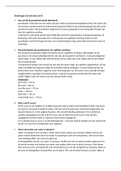
Open-Outcry Dutch Auctions - strategy
Open-Outcry English Auction - strategy
Preview version
Preview version for the course Economics for the Global Era – IBA Vrije Universiteit
Amsterdam.
Let me know what you guys think!
Overview
Part 1: Introduction to Economics .............................................................................................................................................. 1
Chapter 1. The Principles of economics ....................................................................................................................... 1
Chapter 2. Economic Methods and Economic Questions......................................................................................... 3
Chapter 3. Optimization ................................................................................................................................................. 4
Chapter 4. Demand, Supply, and Equilibrium ............................................................................................................. 5
Part 2: Foundation of Microeconomics ........................................................................................................................................ 7
Chapter 5. Consumers and Incentives .......................................................................................................................... 7
Chapter 6. Sellers and Incentives.................................................................................................................................10
Chapter 7. Perfect Competition and the Invisible Hand ..........................................................................................13
Chapter 8. Trade ............................................................................................................................................................14
Chapter 9. Externalities and Public Goods ................................................................................................................16
Chapter 10. The Government in the Economy: Taxation and Regulation ............................................................19
Chapter 11. Markets for Factor of Production ..........................................................................................................21
Part 3: Market Structure ........................................................................................................................................................23
Chapter 12. Monopoly ..................................................................................................................................................23
Part 4: Extending the Microeconomic Toolbox .........................................................................................................................24
Chapter 16. The Economics of Information .............................................................................................................24
Chapter 17. Auctions and Bargaining ........................................................................................................................... 2
Part 5: Introduction to Macroeconomics ...................................................................................................................................... 4
Chapter 19. The Wealth of Nations: Defining and Measuring Macroeconomic Aggregates .................................4
Chapter 20. Aggregate Incomes ..................................................................................................................................32
Part 6: Long-Run Growth and Development ............................................................................................................................34
Chapter 21. Economic Growth ...................................................................................................................................34
Chapter 22. Why Isn’t the Whole World Developed? ..............................................................................................36
Part 7: Extending the Microeconomic Toolbox .........................................................................................................................38
Chapter 23. Employment and Unemployment ..........................................................................................................38
Part 8: Short-Run Fluctuations and Macroeconomic Policy .......................................................................................................40
Chapter 26. Short-Run Fluctuations ...........................................................................................................................40
Part 9: Macroeconomics in the Global Economy .......................................................................................................................42
Chapter 28. Macroeconomics and International Trade ............................................................................................43
, Chapter 17. Auctions and Bargaining
17.1 Auctions
Auction = a market process in which potential buyers bid on a good and the highest bidder
receives the good
Some goods don’t have well-established prices, making auctions a particularly useful method of selling that
encourages price discovery.
Types of auctions
Auctions can be split along two features:
1. How people place their bids
2. How price is determined
How bids are placed:
Open-outcry auction = bids are public. Auction in which bids are public and bidders compete
actively against each other
Sealed bid auction = auction in which bids are private, so that no bidder knows the bid of any
other participant
Four auction types:
1. Open outcry: English auction = (ascending price) auction in which the price increases
until there is only one standing bid and that bidder wins the item and pays his bid
- Dominant strategy: the winner will be the highest value bidder, and he or she
pays a price equal to the second-highest value (or slightly more if the second-
highest bidder bids his value exactly).
2. Open outcry: Dutch auction = (descending price) auction in which the price decreases
until a bidder stops the auction and that bidders wins and pays
number of competitors
- Strategy: willingness to pay x total number of bidders
3. Sealed bid: first-price auction = auction in which bidders privately submit bids at the
same time and the highest bidder wins and pays and amount equal to her/his bid
- Strategy: same as Dutch auction
4. Sealed bid: second-price auction = auction in which bidders privately submit bids at
the same time and the highest bidder wins and pays an amount equal to the second-
highest bid
- Dominant strategy: is to bid exactly your willingness to pay for the item
Open-Outcry Dutch Auctions - strategy
Open-Outcry English Auction - strategy