
The use of Core Processes when applying
Intervention Mapping.
Crutzen, R., & Nalukwago, J. (2026). The use of Core Processes when applying
Intervention Mapping. The European Health Psychologist, 25, 1–4.
Why core processes?
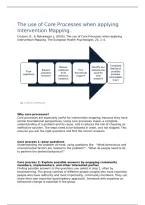
Core processes are especially useful for intervention mapping, because they have
similar foundational perspectives. Using core processes makes a complete
understanding of a problem and its cause, and it reduces the risk of choosing an
ineffective solution. The steps need to be followed in order, and not skipped. This
ensures you ask the right questions and find the correct answers.
Core process 1: pose questions
Understanding the problem at hand, using questions like “What behaviours and
environmental factors are related to the problem?”. “What do people need to do
to perform the desired behaviour?”
Core process 2: Explore possible answers by engaging community
members, implementers, and other interested parties
Finding possible answers to the questions you asked in step 1, often by
brainstorming. The group consists of different people; people who have expertise,
people who have authority and most importantly, community members. They can
share their own expertise (participatory approach). Someone with expertise on
behavioral change is essential in the group.



