

BSN HESI 266 Med Surg Exam — 2026/2027 | Nightingale College | Graded A+ Page 1
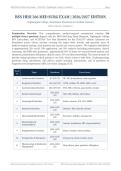
BSN HESI 266 MED SURG EXAM | 2026/2027 EDITION
Nightingale College | Real Exam Questions & Verified Answers
100% Correct | Graded A+
Examination Overview: This comprehensive medical-surgical examination contains 266
multiple-choice questions aligned with the HESI Med-Surg Exam Blueprint, Nightingale College
BSN Curriculum, and NCLEX-RN Test Plan Standards for the 2026/2027 edition. Questions are
distributed across eleven sections covering the major body systems and specialty areas in
medical-surgical nursing. Each question has exactly one correct answer. The cognitive distribution
is approximately 20% recall, 50% application, and 30% analysis (including prioritization, clinical
reasoning, and HESI-style questions). Approximately 80% of items are scenario-based (patient care
situations, prioritization dilemmas, clinical cases); 20% test direct knowledge. The exam includes 30
priority-setting questions (which patient to see first, which action to take first), 30 pharmacology
questions (drug calculations, side effects, patient teaching, interactions), and 20 questions on
diagnostic test interpretation (ABGs, lab values, imaging, ECG).
Secti
Topic Questions Focus Areas
on
1 Cardiovascular Disorders Q1–Q35 (35) HF, MI, dysrhythmias, anticoagulants
2 Respiratory Disorders Q36–Q65 (30) COPD, asthma, PE, ARDS, ABGs, vents
3 Gastrointestinal Disorders Q66–Q95 (30) PUD, IBD, cirrhosis, pancreatitis, ostomy
Q96–Q120
4 Renal & Genitourinary AKI, CKD, dialysis, electrolytes
(25)
Q121–Q145
5 Neurological Disorders Stroke, seizures, ICP, GCS, NIHSS
(25)
Q146–Q170
6 Endocrine Disorders Diabetes, DKA, thyroid, adrenal
(25)
Q171–Q190
7 Musculoskeletal Disorders Fractures, arthritis, osteoporosis
(20)
Hematological & Q191–Q210
8 Anemia, transfusion, HIV, hypersensitivity
Immunological (20)
Q211–Q225
9 Integumentary & Sensory Burns, wounds, vision, hearing
(15)
Q226–Q245
10 Perioperative & Emergency Pre/post-op, shock, trauma, arrest
(20)
Pharmacology & Medication Q246–Q266
11 Drug classes, pain, geriatrics, delegation
Management (21)
Real Exam Questions & Verified Answers | 100% Correct HESI Med-Surg Exam Blueprint | NCLEX-RN Test Plan 2026/2027
,BSN HESI 266 Med Surg Exam — 2026/2027 | Nightingale College | Graded A+ Page 2
Section 1: Cardiovascular Disorders
35 questions • Questions Q1–Q35
Q1: The nurse is caring for a client with a new diagnosis of heart failure who is receiving
furosemide 40 mg IV push. Which finding indicates the medication has been effective?
A. The client's blood pressure increases from 100/60 to 130/80 mmHg
B. The client's lung sounds clear from wheezes to vesicular sounds bilaterally and urine
output increases to 50 mL/hr; furosemide reduces preload through diuresis, reducing
pulmonary congestion in heart failure *[CORRECT]*
C. The client's heart rate decreases from 100 to 60 bpm
D. The client's weight increases by 1 kg over 24 hours
Correct Answer: B
Rationale: Furosemide (Lasix) is a loop diuretic that reduces preload by promoting diuresis, decreasing
pulmonary congestion and improving oxygenation in heart failure. Expected outcomes include clearing of
lung sounds, increased urine output (≥30 mL/hr), and weight loss. Increased blood pressure or weight
would indicate worsening failure; heart rate may decrease from reduced sympathetic tone, but clearing
lungs and increased urine output are the most direct indicators of effectiveness.
Q2: A client admitted with acute myocardial infarction (MI) reports chest pain at 8/10. The
nurse should take which action FIRST?
A. Administer prescribed nitroglycerin sublingually and reassess pain in 5 minutes
B. Assess vital signs, attach the cardiac monitor, obtain a 12-lead ECG, and then administer
prescribed morphine and nitroglycerin per protocol — assessment data must precede
intervention to identify ongoing ischemia or complications *[CORRECT]*
C. Administer morphine 4 mg IV immediately
D. Call the rapid response team
Correct Answer: B
Rationale: In acute MI, the nurse must first assess vital signs, attach the cardiac monitor to detect
dysrhythmias, and obtain a 12-lead ECG to identify the location and extent of ischemia before
administering medications. The NCLEX priority is always assessment before intervention when the
patient is stable enough. Nitroglycerin and morphine are then administered per protocol. Calling the
rapid response team is reserved for clinical deterioration, not a stable patient with chest pain.
Real Exam Questions & Verified Answers | 100% Correct HESI Med-Surg Exam Blueprint | NCLEX-RN Test Plan 2026/2027
,BSN HESI 266 Med Surg Exam — 2026/2027 | Nightingale College | Graded A+ Page 3
Q3: A client is receiving IV heparin for a deep vein thrombosis (DVT). The client's aPTT is 110
seconds (control 30-40 seconds). The nurse should take which action?
A. Continue the heparin infusion at the same rate
B. Stop the heparin infusion and notify the healthcare provider; an aPTT above 100 seconds
indicates the heparin dose is too high (therapeutic range 1.5-2.5 times control, or 46-70
seconds), placing the client at risk for bleeding. The provider will likely order protamine
sulfate as the antidote *[CORRECT]*
C. Increase the heparin rate to maintain aPTT above 100
D. Document the finding as expected and continue monitoring
Correct Answer: B
Rationale: An aPTT of 110 seconds is far above the therapeutic range (1.5-2.5 times control, roughly 46-70
seconds), placing the client at risk for bleeding. The nurse should stop the heparin infusion immediately
and notify the provider, who may order protamine sulfate (heparin antidote). Continuing or increasing
heparin would worsen bleeding risk; documenting as expected would miss a critical safety issue.
Q4: A client with hypertension is prescribed lisinopril 10 mg daily. Which finding requires
the nurse to hold the dose and notify the provider?
A. Blood pressure 118/76 mmHg
B. Angioedema of the lips and tongue — angioedema is a life-threatening adverse effect of
ACE inhibitors, requiring immediate discontinuation and notification of the provider. The
client may need epinephrine and airway management *[CORRECT]*
C. Heart rate 78 bpm
D. Serum potassium 4.2 mEq/L
Correct Answer: B
Rationale: Angioedema (swelling of lips, tongue, face, throat) is a life-threatening adverse effect of ACE
inhibitors (lisinopril). The nurse must hold the medication, notify the provider immediately, and prepare
for airway management and possible epinephrine administration. A blood pressure of 118/76 indicates the
medication is working; potassium 4.2 is normal (ACE inhibitors can cause hyperkalemia but this value is
fine); heart rate 78 is normal.
Q5: A client is in sinus bradycardia with a heart rate of 42 bpm and is symptomatic with
dizziness and hypotension (BP 86/50). Which intervention should the nurse anticipate?
A. Administer atropine 1 mg IV push — first-line treatment for symptomatic bradycardia per
ACLS; if ineffective, prepare for transcutaneous pacing *[CORRECT]*
B. Administer adenosine 6 mg IV push
C. Defibrillate at 200 joules
D. Administer amiodarone 150 mg IV
Correct Answer: A
Rationale: Symptomatic bradycardia (HR <60 with hypotension, dizziness, altered LOC) is treated per
ACLS with atropine 1 mg IV push, repeated every 3-5 minutes up to 3 mg. If atropine is ineffective,
transcutaneous pacing is initiated. Adenosine is for supraventricular tachycardia; defibrillation is for
pulseless VT/VF; amiodarone is for ventricular dysrhythmias. Atropine is the first-line intervention for
symptomatic bradycardia.
Real Exam Questions & Verified Answers | 100% Correct HESI Med-Surg Exam Blueprint | NCLEX-RN Test Plan 2026/2027
, BSN HESI 266 Med Surg Exam — 2026/2027 | Nightingale College | Graded A+ Page 4
Q6: The nurse is caring for a client who had a coronary artery bypass graft (CABG) 24 hours
ago. Which finding requires IMMEDIATE attention?
A. Chest tube drainage of 50 mL/hr of sanguineous fluid
B. Chest tube drainage of 200 mL/hr for 2 consecutive hours with bright red blood — this
suggests active hemorrhage and is a medical emergency requiring immediate provider
notification; bleeding >100 mL/hr for 2 hours or sudden cessation of drainage may indicate
tamponade *[CORRECT]*
C. Pain at the incision site rated 4/10
D. Temperature 99.2°F (37.3°C)
Correct Answer: B
Rationale: After CABG, chest tube drainage >100 mL/hr for 2 consecutive hours, or >500 mL in the first
hour, indicates active hemorrhage and is a medical emergency. Bright red blood suggests active arterial
bleeding. The nurse must notify the surgeon immediately and prepare for possible re-exploration.
Drainage of 50 mL/hr is normal; incisional pain 4/10 is expected; mild temperature elevation is normal in
the first 24 hours.
Q7: A client with heart failure has a BNP level of 1,200 pg/mL (normal <100). The nurse
understands this value indicates:
A. Mild heart failure
B. Significant heart failure — BNP >900 pg/mL is associated with severe heart failure; BNP is
released by ventricular myocytes in response to volume overload and wall stretch, making it
a sensitive marker for heart failure severity *[CORRECT]*
C. Acute myocardial infarction
D. Right ventricular failure only
Correct Answer: B
Rationale: BNP (brain natriuretic peptide) is released by ventricular myocytes in response to volume
overload and wall stretch. BNP <100 pg/mL = no heart failure; 100-300 = mild; 300-600 = moderate; 600-900
= moderate-severe; >900 = severe heart failure. A BNP of 1,200 indicates significant heart failure and
correlates with worsening prognosis. BNP is not specific for MI or right-sided failure only.
Q8: A client with atrial fibrillation is prescribed warfarin 5 mg daily. The client's INR is 3.8
(therapeutic range 2.0-3.0). Which action should the nurse take?
A. Continue the warfarin dose as prescribed
B. Hold the warfarin dose and notify the provider; an INR of 3.8 is above the therapeutic
range (2.0-3.0), placing the client at risk for bleeding. The provider may reduce the dose or
order vitamin K *[CORRECT]*
C. Administer an additional dose of warfarin
D. Administer protamine sulfate immediately
Correct Answer: B
Rationale: An INR of 3.8 is above the therapeutic range (2.0-3.0 for atrial fibrillation), placing the client at
risk for bleeding. The nurse should hold the warfarin dose and notify the provider, who may reduce the
dose or order vitamin K (antidote). Continuing or increasing warfarin would worsen bleeding risk.
Protamine sulfate is the antidote for heparin, not warfarin (vitamin K is the antidote for warfarin).
Real Exam Questions & Verified Answers | 100% Correct HESI Med-Surg Exam Blueprint | NCLEX-RN Test Plan 2026/2027
BSN HESI 266 MED SURG EXAM | 2026/2027 EDITION
Nightingale College | Real Exam Questions & Verified Answers
100% Correct | Graded A+
Examination Overview: This comprehensive medical-surgical examination contains 266
multiple-choice questions aligned with the HESI Med-Surg Exam Blueprint, Nightingale College
BSN Curriculum, and NCLEX-RN Test Plan Standards for the 2026/2027 edition. Questions are
distributed across eleven sections covering the major body systems and specialty areas in
medical-surgical nursing. Each question has exactly one correct answer. The cognitive distribution
is approximately 20% recall, 50% application, and 30% analysis (including prioritization, clinical
reasoning, and HESI-style questions). Approximately 80% of items are scenario-based (patient care
situations, prioritization dilemmas, clinical cases); 20% test direct knowledge. The exam includes 30
priority-setting questions (which patient to see first, which action to take first), 30 pharmacology
questions (drug calculations, side effects, patient teaching, interactions), and 20 questions on
diagnostic test interpretation (ABGs, lab values, imaging, ECG).
Secti
Topic Questions Focus Areas
on
1 Cardiovascular Disorders Q1–Q35 (35) HF, MI, dysrhythmias, anticoagulants
2 Respiratory Disorders Q36–Q65 (30) COPD, asthma, PE, ARDS, ABGs, vents
3 Gastrointestinal Disorders Q66–Q95 (30) PUD, IBD, cirrhosis, pancreatitis, ostomy
Q96–Q120
4 Renal & Genitourinary AKI, CKD, dialysis, electrolytes
(25)
Q121–Q145
5 Neurological Disorders Stroke, seizures, ICP, GCS, NIHSS
(25)
Q146–Q170
6 Endocrine Disorders Diabetes, DKA, thyroid, adrenal
(25)
Q171–Q190
7 Musculoskeletal Disorders Fractures, arthritis, osteoporosis
(20)
Hematological & Q191–Q210
8 Anemia, transfusion, HIV, hypersensitivity
Immunological (20)
Q211–Q225
9 Integumentary & Sensory Burns, wounds, vision, hearing
(15)
Q226–Q245
10 Perioperative & Emergency Pre/post-op, shock, trauma, arrest
(20)
Pharmacology & Medication Q246–Q266
11 Drug classes, pain, geriatrics, delegation
Management (21)
Real Exam Questions & Verified Answers | 100% Correct HESI Med-Surg Exam Blueprint | NCLEX-RN Test Plan 2026/2027
,BSN HESI 266 Med Surg Exam — 2026/2027 | Nightingale College | Graded A+ Page 2
Section 1: Cardiovascular Disorders
35 questions • Questions Q1–Q35
Q1: The nurse is caring for a client with a new diagnosis of heart failure who is receiving
furosemide 40 mg IV push. Which finding indicates the medication has been effective?
A. The client's blood pressure increases from 100/60 to 130/80 mmHg
B. The client's lung sounds clear from wheezes to vesicular sounds bilaterally and urine
output increases to 50 mL/hr; furosemide reduces preload through diuresis, reducing
pulmonary congestion in heart failure *[CORRECT]*
C. The client's heart rate decreases from 100 to 60 bpm
D. The client's weight increases by 1 kg over 24 hours
Correct Answer: B
Rationale: Furosemide (Lasix) is a loop diuretic that reduces preload by promoting diuresis, decreasing
pulmonary congestion and improving oxygenation in heart failure. Expected outcomes include clearing of
lung sounds, increased urine output (≥30 mL/hr), and weight loss. Increased blood pressure or weight
would indicate worsening failure; heart rate may decrease from reduced sympathetic tone, but clearing
lungs and increased urine output are the most direct indicators of effectiveness.
Q2: A client admitted with acute myocardial infarction (MI) reports chest pain at 8/10. The
nurse should take which action FIRST?
A. Administer prescribed nitroglycerin sublingually and reassess pain in 5 minutes
B. Assess vital signs, attach the cardiac monitor, obtain a 12-lead ECG, and then administer
prescribed morphine and nitroglycerin per protocol — assessment data must precede
intervention to identify ongoing ischemia or complications *[CORRECT]*
C. Administer morphine 4 mg IV immediately
D. Call the rapid response team
Correct Answer: B
Rationale: In acute MI, the nurse must first assess vital signs, attach the cardiac monitor to detect
dysrhythmias, and obtain a 12-lead ECG to identify the location and extent of ischemia before
administering medications. The NCLEX priority is always assessment before intervention when the
patient is stable enough. Nitroglycerin and morphine are then administered per protocol. Calling the
rapid response team is reserved for clinical deterioration, not a stable patient with chest pain.
Real Exam Questions & Verified Answers | 100% Correct HESI Med-Surg Exam Blueprint | NCLEX-RN Test Plan 2026/2027
,BSN HESI 266 Med Surg Exam — 2026/2027 | Nightingale College | Graded A+ Page 3
Q3: A client is receiving IV heparin for a deep vein thrombosis (DVT). The client's aPTT is 110
seconds (control 30-40 seconds). The nurse should take which action?
A. Continue the heparin infusion at the same rate
B. Stop the heparin infusion and notify the healthcare provider; an aPTT above 100 seconds
indicates the heparin dose is too high (therapeutic range 1.5-2.5 times control, or 46-70
seconds), placing the client at risk for bleeding. The provider will likely order protamine
sulfate as the antidote *[CORRECT]*
C. Increase the heparin rate to maintain aPTT above 100
D. Document the finding as expected and continue monitoring
Correct Answer: B
Rationale: An aPTT of 110 seconds is far above the therapeutic range (1.5-2.5 times control, roughly 46-70
seconds), placing the client at risk for bleeding. The nurse should stop the heparin infusion immediately
and notify the provider, who may order protamine sulfate (heparin antidote). Continuing or increasing
heparin would worsen bleeding risk; documenting as expected would miss a critical safety issue.
Q4: A client with hypertension is prescribed lisinopril 10 mg daily. Which finding requires
the nurse to hold the dose and notify the provider?
A. Blood pressure 118/76 mmHg
B. Angioedema of the lips and tongue — angioedema is a life-threatening adverse effect of
ACE inhibitors, requiring immediate discontinuation and notification of the provider. The
client may need epinephrine and airway management *[CORRECT]*
C. Heart rate 78 bpm
D. Serum potassium 4.2 mEq/L
Correct Answer: B
Rationale: Angioedema (swelling of lips, tongue, face, throat) is a life-threatening adverse effect of ACE
inhibitors (lisinopril). The nurse must hold the medication, notify the provider immediately, and prepare
for airway management and possible epinephrine administration. A blood pressure of 118/76 indicates the
medication is working; potassium 4.2 is normal (ACE inhibitors can cause hyperkalemia but this value is
fine); heart rate 78 is normal.
Q5: A client is in sinus bradycardia with a heart rate of 42 bpm and is symptomatic with
dizziness and hypotension (BP 86/50). Which intervention should the nurse anticipate?
A. Administer atropine 1 mg IV push — first-line treatment for symptomatic bradycardia per
ACLS; if ineffective, prepare for transcutaneous pacing *[CORRECT]*
B. Administer adenosine 6 mg IV push
C. Defibrillate at 200 joules
D. Administer amiodarone 150 mg IV
Correct Answer: A
Rationale: Symptomatic bradycardia (HR <60 with hypotension, dizziness, altered LOC) is treated per
ACLS with atropine 1 mg IV push, repeated every 3-5 minutes up to 3 mg. If atropine is ineffective,
transcutaneous pacing is initiated. Adenosine is for supraventricular tachycardia; defibrillation is for
pulseless VT/VF; amiodarone is for ventricular dysrhythmias. Atropine is the first-line intervention for
symptomatic bradycardia.
Real Exam Questions & Verified Answers | 100% Correct HESI Med-Surg Exam Blueprint | NCLEX-RN Test Plan 2026/2027
, BSN HESI 266 Med Surg Exam — 2026/2027 | Nightingale College | Graded A+ Page 4
Q6: The nurse is caring for a client who had a coronary artery bypass graft (CABG) 24 hours
ago. Which finding requires IMMEDIATE attention?
A. Chest tube drainage of 50 mL/hr of sanguineous fluid
B. Chest tube drainage of 200 mL/hr for 2 consecutive hours with bright red blood — this
suggests active hemorrhage and is a medical emergency requiring immediate provider
notification; bleeding >100 mL/hr for 2 hours or sudden cessation of drainage may indicate
tamponade *[CORRECT]*
C. Pain at the incision site rated 4/10
D. Temperature 99.2°F (37.3°C)
Correct Answer: B
Rationale: After CABG, chest tube drainage >100 mL/hr for 2 consecutive hours, or >500 mL in the first
hour, indicates active hemorrhage and is a medical emergency. Bright red blood suggests active arterial
bleeding. The nurse must notify the surgeon immediately and prepare for possible re-exploration.
Drainage of 50 mL/hr is normal; incisional pain 4/10 is expected; mild temperature elevation is normal in
the first 24 hours.
Q7: A client with heart failure has a BNP level of 1,200 pg/mL (normal <100). The nurse
understands this value indicates:
A. Mild heart failure
B. Significant heart failure — BNP >900 pg/mL is associated with severe heart failure; BNP is
released by ventricular myocytes in response to volume overload and wall stretch, making it
a sensitive marker for heart failure severity *[CORRECT]*
C. Acute myocardial infarction
D. Right ventricular failure only
Correct Answer: B
Rationale: BNP (brain natriuretic peptide) is released by ventricular myocytes in response to volume
overload and wall stretch. BNP <100 pg/mL = no heart failure; 100-300 = mild; 300-600 = moderate; 600-900
= moderate-severe; >900 = severe heart failure. A BNP of 1,200 indicates significant heart failure and
correlates with worsening prognosis. BNP is not specific for MI or right-sided failure only.
Q8: A client with atrial fibrillation is prescribed warfarin 5 mg daily. The client's INR is 3.8
(therapeutic range 2.0-3.0). Which action should the nurse take?
A. Continue the warfarin dose as prescribed
B. Hold the warfarin dose and notify the provider; an INR of 3.8 is above the therapeutic
range (2.0-3.0), placing the client at risk for bleeding. The provider may reduce the dose or
order vitamin K *[CORRECT]*
C. Administer an additional dose of warfarin
D. Administer protamine sulfate immediately
Correct Answer: B
Rationale: An INR of 3.8 is above the therapeutic range (2.0-3.0 for atrial fibrillation), placing the client at
risk for bleeding. The nurse should hold the warfarin dose and notify the provider, who may reduce the
dose or order vitamin K (antidote). Continuing or increasing warfarin would worsen bleeding risk.
Protamine sulfate is the antidote for heparin, not warfarin (vitamin K is the antidote for warfarin).
Real Exam Questions & Verified Answers | 100% Correct HESI Med-Surg Exam Blueprint | NCLEX-RN Test Plan 2026/2027



