Identity processes and well-being across cultural background
Do associations differ between adolescents
with and without a migration background?
Francesca De Lise¹, Koen Luyckx², & Elisabetta Crocetti¹
¹ Department of Psychology, Alma Mater Studiorum University of Bologna, Bologna, Italy
² Faculty of Psychology and Educational Sciences, KU Leuven, Leuven, Belgium
Background
Developing a clear identity is a central developmental task during adolescence and is
associated with higher levels of well-being. For adolescents with a migrant background,
this process may be more complex because they must balance multiple cultural identities.
Although previous studies have demonstrated links between identity and well-being, little
is known about whether these associations differ across cultural backgrounds. Moreover,
well-being has rarely been examined as a multidimensional construct. By distinguishing
physical, subjective, psychological, and social well-being, this study provides a more
nuanced understanding of the relationship between identity and well-being in adolescents
with different cultural backgrounds.
Objective
This study examined whether the
associations between identity processes and
different dimensions of well-being differ
between adolescents with and without a
migrant background. By identifying potential
cultural differences, the findings may help
inform evidence-based interventions and
educational practices that better support
identity development and well-being in
culturally diverse populations.
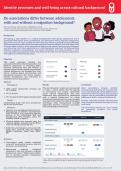
Figure 1 Conceptual model of the associations
L I F E S PA N PSYCHOLOGY
Method
Identity Processes ↔ Well-Being
Participants Results Conclusion
• 1396 italian adolescents (average age The most important results are summarized Most associations between identity
15.73 years) in 1.
table 1, which
Variable Overview shows that the pattern processes and well-being were comparable
& Codes
of associations was largely comparable across cultural backgrounds. Differences in
• 49.9 % female across cultural backgrounds.CODEThe main
IDENTITY PROCESS
educational identity suggest
WELL-BEING DIMENSION CODE
that targeted
differences were observed for Cadolescents support may be particularly beneficial for
• 79.1 % majority (20.9 migrant background) with a migrant background, for whom adolescents with a migrant background.
Commitment Physical Ph
educational commitment was more strongly
Design In-depth exploration
associated with subjective and psychological
I
Develop
Subjective
culturally sensitive
Su
interventions
Longtitudinal study with four assessments well-being,
Reconsideration ofwhile
commitmentinterpersonal in-depth that strengthen identity development and
exploration showed a stronger association well-being.
R Psychological Ps
across one school year.
Measures with psychological well-being. Social
Use educational settingsSo
as a key context
• ‘Identity’ was quantified using the Utrecht- for promoting inclusion and social
Management of Identity Commitments 2. Direction of Effect, Per Process integration.
Scale (U-MICS), thus measuring identity
process in the educational (Ed) and
Ed. = Educational / school domain | I.P. = Interpersonal domain
interpersonal (I.P.) domains, using the
variables stated in figure 1.
Process → Well-Being ← Well-Being ↔ Reciprocal
• Physical health was assessed using the
EDUCATIONAL DOMAIN
“General Health” subscale from the Short
Form-36 Health Survey (SF-36).
Ph Su Ps
Commitment (C) Su Ps So Su Ps So
So
• Subjective, psychological, and social well-
being were assessed using the Mental In-depth exploration (I) — — —
Health Continuum –Short Form (MHC-
SF). Reconsideration (R) — Ph —
INTERPERSONAL DOMAIN
Analyses Ph Su Ps
Commitment (C) Su Ps So Su Ps So
So
• Cross-lagged panel models examined
reciprocal associations between identity In-depth exploration (I)
processes and well-being.
Ph Su Ps Ph Ps Ph Ps
• Multi-group analyses compared Reconsideration (R) — Ph Ph
adolescents with and without a migrant
background, using a Wald-based statistic
test to perform pairwise comparisons
Legend: Ph Physical Su Subjective Ps Psychological So Social
* Filled Pill: Statistically significant / Bold in original | * Outlined Pill: Present in original (non-bold)
between parameters.
Table 1 Significant longitudinal associations between identity processes and well-being. Bold indicates asso-
ciations that were significantly stronger for adolescents with a migrant background. See figure 1 for abrevi-
ations.
Karaś, D., & Cieciuch, J. (2018). The relationship between identityprocesses and well-being in various life domains. Personality and Individual Differences, 121, 111–119
Do associations differ between adolescents
with and without a migration background?
Francesca De Lise¹, Koen Luyckx², & Elisabetta Crocetti¹
¹ Department of Psychology, Alma Mater Studiorum University of Bologna, Bologna, Italy
² Faculty of Psychology and Educational Sciences, KU Leuven, Leuven, Belgium
Background
Developing a clear identity is a central developmental task during adolescence and is
associated with higher levels of well-being. For adolescents with a migrant background,
this process may be more complex because they must balance multiple cultural identities.
Although previous studies have demonstrated links between identity and well-being, little
is known about whether these associations differ across cultural backgrounds. Moreover,
well-being has rarely been examined as a multidimensional construct. By distinguishing
physical, subjective, psychological, and social well-being, this study provides a more
nuanced understanding of the relationship between identity and well-being in adolescents
with different cultural backgrounds.
Objective
This study examined whether the
associations between identity processes and
different dimensions of well-being differ
between adolescents with and without a
migrant background. By identifying potential
cultural differences, the findings may help
inform evidence-based interventions and
educational practices that better support
identity development and well-being in
culturally diverse populations.
Figure 1 Conceptual model of the associations
L I F E S PA N PSYCHOLOGY
Method
Identity Processes ↔ Well-Being
Participants Results Conclusion
• 1396 italian adolescents (average age The most important results are summarized Most associations between identity
15.73 years) in 1.
table 1, which
Variable Overview shows that the pattern processes and well-being were comparable
& Codes
of associations was largely comparable across cultural backgrounds. Differences in
• 49.9 % female across cultural backgrounds.CODEThe main
IDENTITY PROCESS
educational identity suggest
WELL-BEING DIMENSION CODE
that targeted
differences were observed for Cadolescents support may be particularly beneficial for
• 79.1 % majority (20.9 migrant background) with a migrant background, for whom adolescents with a migrant background.
Commitment Physical Ph
educational commitment was more strongly
Design In-depth exploration
associated with subjective and psychological
I
Develop
Subjective
culturally sensitive
Su
interventions
Longtitudinal study with four assessments well-being,
Reconsideration ofwhile
commitmentinterpersonal in-depth that strengthen identity development and
exploration showed a stronger association well-being.
R Psychological Ps
across one school year.
Measures with psychological well-being. Social
Use educational settingsSo
as a key context
• ‘Identity’ was quantified using the Utrecht- for promoting inclusion and social
Management of Identity Commitments 2. Direction of Effect, Per Process integration.
Scale (U-MICS), thus measuring identity
process in the educational (Ed) and
Ed. = Educational / school domain | I.P. = Interpersonal domain
interpersonal (I.P.) domains, using the
variables stated in figure 1.
Process → Well-Being ← Well-Being ↔ Reciprocal
• Physical health was assessed using the
EDUCATIONAL DOMAIN
“General Health” subscale from the Short
Form-36 Health Survey (SF-36).
Ph Su Ps
Commitment (C) Su Ps So Su Ps So
So
• Subjective, psychological, and social well-
being were assessed using the Mental In-depth exploration (I) — — —
Health Continuum –Short Form (MHC-
SF). Reconsideration (R) — Ph —
INTERPERSONAL DOMAIN
Analyses Ph Su Ps
Commitment (C) Su Ps So Su Ps So
So
• Cross-lagged panel models examined
reciprocal associations between identity In-depth exploration (I)
processes and well-being.
Ph Su Ps Ph Ps Ph Ps
• Multi-group analyses compared Reconsideration (R) — Ph Ph
adolescents with and without a migrant
background, using a Wald-based statistic
test to perform pairwise comparisons
Legend: Ph Physical Su Subjective Ps Psychological So Social
* Filled Pill: Statistically significant / Bold in original | * Outlined Pill: Present in original (non-bold)
between parameters.
Table 1 Significant longitudinal associations between identity processes and well-being. Bold indicates asso-
ciations that were significantly stronger for adolescents with a migrant background. See figure 1 for abrevi-
ations.
Karaś, D., & Cieciuch, J. (2018). The relationship between identityprocesses and well-being in various life domains. Personality and Individual Differences, 121, 111–119