Michelle Broer, januari-maart 2021
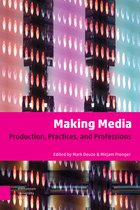
Making Media: Production, Practices and Professions – Notes
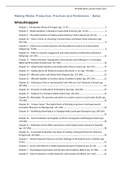
Inhoudsopgave
Chapter 1 - Introduction (Deuze & Prenger) (pp. 13-27)................................................................3
Chapter 2 – Media Industries: A decade in review (Holt & Perren) (pp. 31-39)..............................5
Chapter 6 – The platformization of making media (Nieborg, Poell & Deuze) (pp. 85-94)...............6
Chapter 23 – Music in times of streaming: transformation and debate (Sofia Johansson) (pp.
309-316).........................................................................................................................................8
Chapter 5 – Cultural and creative industries and the political economy of communication
(Miège) (pp. 73-82).........................................................................................................................9
Chapter 10 – Shifts in consumer engagement and media business models (Chan-Olmsted &
Wang) (pp. 133-144).....................................................................................................................13
Chapter 11 – Media industries’ management characteristics and challenges in a converging
digital world (Faustino & Noam) (pp. 147-158)............................................................................16
Chapter 12 – Global media industries and media policy (Flew & Suzor) (pp. 163-172)................19
Chapter 14 – Making (Sense of) Media Innovations (Krumsvik, et. al.) (pp. 193-202)..................21
Chapter 20 – Affective Labour and Media Work (Siapera) (pp. 275-284).....................................23
Chapter 21 – Affective Qualities of Creative Labour (Cantillon & Baker) (pp. 287-294)................25
Chapter 22 – A Business of One or Nurturing the Craft: Who are You? (Gershon & Deuze) (pp.
297-305).......................................................................................................................................27
Chapter 16 – Precarity in Media Work (O’Donnell & Zion) (pp. 223-232).....................................29
Chapter 17 – Making it in a Freelance World (Cohen) (pp. 235-244)............................................31
Chapter 28 - #Dreamjob: The promises and perils of a creative career in social media (Duffy) (pp.
375-383).......................................................................................................................................32
Chapter 33 – ‘It Never Stops’: The Implicit Norm of Working Long Hours in Entrepreneurial
Journalism (Brouwers & Witschge) (pp. 441-450)........................................................................33
Chapter 29 – Redefining Advertising in a Changing Media Landscape (Rosengren) (pp. 389-396)
......................................................................................................................................................34
Chapter 31 – Game Production and Logistics at Work: Convergence and Divergence (Kerr) (pp.
413-424).......................................................................................................................................36
Chapter 32 – Reflections on the Shifts and Swerves of the Global Games Industry (O’Donnell)
(pp. 427-436)................................................................................................................................38
Chapter 34 – Transmedia Production: Key Steps in Creating a Storyworld (Serrano Tellería &
Prenger) (pp. 453-460).................................................................................................................39
Chapter 3 – Media Production Research and the Challenge of Normativity (Lee & Zoellner) (pp.
45-56)...........................................................................................................................................41
Chapter 4 – Access and Mistrust in Media Industries Research (Vonderau) (pp. 61-70)..............42
Chapter 7 – The Disappearing Product and the New Intermediaries (Bilton) (pp. 99-108)..........43
Chapter 8 – Value Production in Media Industries and Everyday Life (Bolin) (111-118)...............44
, Michelle Broer, januari-maart 2021
Chapter 15 – Start-up Ecosystems Between Affordance Networks, Symbolic Form, and Cultural
Practice (Werning) (pp. 207-215)..................................................................................................46
Chapter 18 – Diversity and Opportunity in the Media Industries (Eikhof & Marsden) (pp. 247-
225)...............................................................................................................................................48
Chapter 19 – Labour and the Next Internet (Mosco) (pp. 259-270).............................................49
, Michelle Broer, januari-maart 2021
Chapter 1 - Introduction (Deuze & Prenger) (pp. 13-27)
Media production = Issues at play within, across, and around the institutions and forces that create
our media, our information and our culture.
Shift from consumer electronics to information technology
New intermediaries
- Hardware manufacturers
- Software developers
- Platforms
- Online marketplaces and services
Influence of automation, data and algorithms
More user-generated content
New jobs & losing jobs
Media practices = The various ways in which media professionals make media
From clear structure to flexible publication the internet is always on
Networked production cycle cross-media proficiencies
Media professions = the more or less demarcated fields of work that make up professional life in the
media industries
Blurred boundaries between professions
Freelancing = the norm
Media professionals are increasingly self-regulated Changes are perceived as coming from
the outside (a force they can’t control) hesitation in embracing new opportunities
Media industry is overpopulated
Emotional labour stress, rejection, underpaid
Informality
- Positive: liberating
- Negative: exploitation is harder to prevent
Principal component = a trend, a concept, or a specific set of circumstances that all practitioners who
make media professionally experience in one way or another
1. Collapse
- Collapse of business models
- Collapse of audience habits & tastes
- Collapse of genres, practices and storytelling formats
2. Hybridity
- Blurring of boundaries between professions
- Increasing micro-management
- Media makers must be generalists and specialists simultaneously
3. Affordance
- New ways of storytelling extended reality (XR) & transmedia storytelling
- Participation & interaction with audiences
- Autonomy and creative freedom
4. Power
- Power shifts from content creators to media users and owners
- Imbalance results in underpaid workers
5. Flexibility
, Michelle Broer, januari-maart 2021
- Numerical flexibility = the creative use of workforce numbers to manage a media
organisation
- Functional flexibility = everyone is multi-skilled and not fixed in one job/task
- Temporal flexibility = no 9-5 workday, flexible schedules
- Financial flexibility = individualized and performance-based systems of rewards
- Results in: Presentism A form of limiting and defusing concern for one’s work and
career prospects by focussing on the present.
6. Precarity
- Lack of control in your professional career
- Importance of a permanent self-promotional profile across various social networks
- Cross-subsidising work
7. Entrepreneurship
- Individual solutions to systemic problems
- The building block of a social support system
- Equates work with passion making media becomes part of your identity
8. Agency
- Professionals have to work for their agency:
- Individual level: building networks
- Macro level: amassing a keen understanding of the global production networks of the
media industries and the way the markets function
9. Affect
- The fundamental role feelings and emotions play in media immaterial labour
- Affective labour = work that elicits an affective investment from its practitioners
exceeding conscious deliberation and that is intended to elicit a similarly pre-cognitive
response in people.
- Not just acquiring attention, but getting audiences engaged.
- Emotional labour: managing ones emotions is essential (negative emotions are not
tolerated)
- Passion
Making Media: Production, Practices and Professions – Notes
Inhoudsopgave
Chapter 1 - Introduction (Deuze & Prenger) (pp. 13-27)................................................................3
Chapter 2 – Media Industries: A decade in review (Holt & Perren) (pp. 31-39)..............................5
Chapter 6 – The platformization of making media (Nieborg, Poell & Deuze) (pp. 85-94)...............6
Chapter 23 – Music in times of streaming: transformation and debate (Sofia Johansson) (pp.
309-316).........................................................................................................................................8
Chapter 5 – Cultural and creative industries and the political economy of communication
(Miège) (pp. 73-82).........................................................................................................................9
Chapter 10 – Shifts in consumer engagement and media business models (Chan-Olmsted &
Wang) (pp. 133-144).....................................................................................................................13
Chapter 11 – Media industries’ management characteristics and challenges in a converging
digital world (Faustino & Noam) (pp. 147-158)............................................................................16
Chapter 12 – Global media industries and media policy (Flew & Suzor) (pp. 163-172)................19
Chapter 14 – Making (Sense of) Media Innovations (Krumsvik, et. al.) (pp. 193-202)..................21
Chapter 20 – Affective Labour and Media Work (Siapera) (pp. 275-284).....................................23
Chapter 21 – Affective Qualities of Creative Labour (Cantillon & Baker) (pp. 287-294)................25
Chapter 22 – A Business of One or Nurturing the Craft: Who are You? (Gershon & Deuze) (pp.
297-305).......................................................................................................................................27
Chapter 16 – Precarity in Media Work (O’Donnell & Zion) (pp. 223-232).....................................29
Chapter 17 – Making it in a Freelance World (Cohen) (pp. 235-244)............................................31
Chapter 28 - #Dreamjob: The promises and perils of a creative career in social media (Duffy) (pp.
375-383).......................................................................................................................................32
Chapter 33 – ‘It Never Stops’: The Implicit Norm of Working Long Hours in Entrepreneurial
Journalism (Brouwers & Witschge) (pp. 441-450)........................................................................33
Chapter 29 – Redefining Advertising in a Changing Media Landscape (Rosengren) (pp. 389-396)
......................................................................................................................................................34
Chapter 31 – Game Production and Logistics at Work: Convergence and Divergence (Kerr) (pp.
413-424).......................................................................................................................................36
Chapter 32 – Reflections on the Shifts and Swerves of the Global Games Industry (O’Donnell)
(pp. 427-436)................................................................................................................................38
Chapter 34 – Transmedia Production: Key Steps in Creating a Storyworld (Serrano Tellería &
Prenger) (pp. 453-460).................................................................................................................39
Chapter 3 – Media Production Research and the Challenge of Normativity (Lee & Zoellner) (pp.
45-56)...........................................................................................................................................41
Chapter 4 – Access and Mistrust in Media Industries Research (Vonderau) (pp. 61-70)..............42
Chapter 7 – The Disappearing Product and the New Intermediaries (Bilton) (pp. 99-108)..........43
Chapter 8 – Value Production in Media Industries and Everyday Life (Bolin) (111-118)...............44
, Michelle Broer, januari-maart 2021
Chapter 15 – Start-up Ecosystems Between Affordance Networks, Symbolic Form, and Cultural
Practice (Werning) (pp. 207-215)..................................................................................................46
Chapter 18 – Diversity and Opportunity in the Media Industries (Eikhof & Marsden) (pp. 247-
225)...............................................................................................................................................48
Chapter 19 – Labour and the Next Internet (Mosco) (pp. 259-270).............................................49
, Michelle Broer, januari-maart 2021
Chapter 1 - Introduction (Deuze & Prenger) (pp. 13-27)
Media production = Issues at play within, across, and around the institutions and forces that create
our media, our information and our culture.
Shift from consumer electronics to information technology
New intermediaries
- Hardware manufacturers
- Software developers
- Platforms
- Online marketplaces and services
Influence of automation, data and algorithms
More user-generated content
New jobs & losing jobs
Media practices = The various ways in which media professionals make media
From clear structure to flexible publication the internet is always on
Networked production cycle cross-media proficiencies
Media professions = the more or less demarcated fields of work that make up professional life in the
media industries
Blurred boundaries between professions
Freelancing = the norm
Media professionals are increasingly self-regulated Changes are perceived as coming from
the outside (a force they can’t control) hesitation in embracing new opportunities
Media industry is overpopulated
Emotional labour stress, rejection, underpaid
Informality
- Positive: liberating
- Negative: exploitation is harder to prevent
Principal component = a trend, a concept, or a specific set of circumstances that all practitioners who
make media professionally experience in one way or another
1. Collapse
- Collapse of business models
- Collapse of audience habits & tastes
- Collapse of genres, practices and storytelling formats
2. Hybridity
- Blurring of boundaries between professions
- Increasing micro-management
- Media makers must be generalists and specialists simultaneously
3. Affordance
- New ways of storytelling extended reality (XR) & transmedia storytelling
- Participation & interaction with audiences
- Autonomy and creative freedom
4. Power
- Power shifts from content creators to media users and owners
- Imbalance results in underpaid workers
5. Flexibility
, Michelle Broer, januari-maart 2021
- Numerical flexibility = the creative use of workforce numbers to manage a media
organisation
- Functional flexibility = everyone is multi-skilled and not fixed in one job/task
- Temporal flexibility = no 9-5 workday, flexible schedules
- Financial flexibility = individualized and performance-based systems of rewards
- Results in: Presentism A form of limiting and defusing concern for one’s work and
career prospects by focussing on the present.
6. Precarity
- Lack of control in your professional career
- Importance of a permanent self-promotional profile across various social networks
- Cross-subsidising work
7. Entrepreneurship
- Individual solutions to systemic problems
- The building block of a social support system
- Equates work with passion making media becomes part of your identity
8. Agency
- Professionals have to work for their agency:
- Individual level: building networks
- Macro level: amassing a keen understanding of the global production networks of the
media industries and the way the markets function
9. Affect
- The fundamental role feelings and emotions play in media immaterial labour
- Affective labour = work that elicits an affective investment from its practitioners
exceeding conscious deliberation and that is intended to elicit a similarly pre-cognitive
response in people.
- Not just acquiring attention, but getting audiences engaged.
- Emotional labour: managing ones emotions is essential (negative emotions are not
tolerated)
- Passion