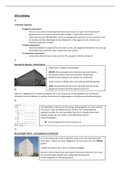
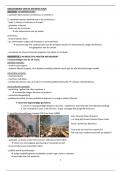
Beinecke Rare Book and Manuscript Library
De Beinecke Rare Book & Manuscript Library aan
de Yale University, ontworpen door het
architectenbureau Skidmore, Owings & Merrill
(SOM) en voltooid in 1963, is een iconisch
voorbeeld van modernistische architectuur met
een focus op monumentaliteit, minimalisme en
innovatieve technologieën.
Architecturale kenmerken:
1. Gevelmaterialen:
De gevel is opgetrokken uit een raster van
betonnen frames gevuld met halfdoorzichtige marmerpanelen. Deze
marmerpanelen filteren natuurlijk licht en beschermen de kwetsbare
manuscripten tegen directe zonnestraling, terwijl ze binnen een
zachte, gelijkmatige verlichting creëren. Het gebouw lijkt hierdoor
zowel massief als licht door de subtiele interactie met licht.
2. Structuur:
Het gebouw zweeft optisch boven de grond door de toevoeging van
een glazen kelderverdieping. De draagstructuur bevindt zich langs
de buitenranden, wat resulteert in een volledig vrije binnenruimte
zonder kolommen. Dit benadrukt de modernistische idealen van
openheid en flexibiliteit.
3. Interieur:
In het hart van de bibliotheek staat een glazen
kubusvormige boekentoren, waarin zeldzame
boeken worden bewaard. Deze boekentoren vormt
een visueel en symbolisch middelpunt, terwijl het
technisch geavanceerde
klimaatbeheersingssysteem ervoor zorgt dat de
inhoud beschermd blijft tegen schadelijke
omgevingsfactoren.
Innovatie en symboliek:
Innovatieve technologieën: De combinatie
van marmer en beton was destijds
ongebruikelijk. Het marmer fungeert niet
alleen als een visueel opvallend materiaal,
maar vervult ook een functionele rol als
lichtfilter en thermische barrière.
, Symboliek: Het ontwerp balanceert tussen een tempelachtige
monumentaliteit en de uitnodigende toegankelijkheid van een
moderne culturele instelling, waarmee het de rol van de universiteit
als hoeder van kennis benadrukt.
Context:
De Beinecke Library werd gebouwd in een tijd waarin universiteiten in de
Verenigde Staten hun culturele en intellectuele positie wilden versterken
door middel van architectuur. SOM, bekend om zijn strakke en functionele
modernistische stijl, speelde hierin een sleutelrol door met dit gebouw een
tijdloos en functioneel ontwerp te realiseren.
Dit gebouw wordt vaak aangehaald als een meesterwerk van
modernistische bibliotheekarchitectuur en als een symbool van de balans
tussen behoud en toegankelijkheid in het tijdperk van technologische
vooruitgang.
https://www.archdaily.com/65987/ad-classics-beinecke-rare-book-and-
manuscript-library-skidmore-owings-merrill?
ad_source=search&ad_medium=projects_tab
Cloistered by a protective shell of stone, the
Beinecke Rare Book and Manuscript Library is
one of the world’s foremost collections of rare
manuscripts. Opened in 1963, the library is
renowned for its translucent marble façade and
the world-renowned glass book tower sheltered
within – a dramatic arrangement resulting from
the particular requirements of a repository for
literary artifacts. This unique design, very much
in the Modernist lineage but in contrast to the
revivalist styles of the rest of Yale’s campus, has
only become appreciated thanks to the passage
of time; the same bold choices which are now
celebrated were once seen as a cause for
contempt and outrage.
Yale’s collection of rare manuscripts began in 1701, when ten ministers
met to found a college in Connecticut Colony.
The books they donated were the first of many
gifts to follow over the next three centuries,
including the cryptic Voynich Manuscript and
one of the twenty one original Gutenberg
Bibles known to exist, which was given to the
, university in 1926.[1] Originally, the rare books collection was stored on
special shelving in Dwight Hall, which served as a library until the late
19th Century; in the 1930’s, it was moved to the Rare Book Room in the
Sterling Library. A gift from Frederick and Edwin Beinecke, a pair of Yale
alumni, allowed the university to construct a purpose-built library building
for its growing collection in the 1960’s.[2,3]
Paul Rudolph, the then Dean of the Yale School of Architecture, decided to
hold a competition between four firms for the privilege to design the
Beinecke Library. One of the architects he invited to participate
was Gordon Bunshaft of Skidmore, Owings & Merrill (SOM), who refused.
His reasoning, as he explained to Yale’s provost, convinced the university
to award him the job:
“Say you’re lucky and you win the competition. You then start to talk and
work with the people who are going to use the building, and you know the
design doesn’t work because of what you’ve learned in getting acquainted
with the people. So you start making alterations, and the ultimate thing is
a compromise. I believe one of the most important things in doing a
building is writing a program, and that entails almost living with the
people who are going to use the building, finding out how they hope to
work in it, not listening to their solutions but listening to their needs.”
A primary concern in the design of the
library was the control of light. Sufficient
ambient lighting was required to enable the
building to serve as a place for study and
reading; however, exposure to sunlight
could damage the carefully-preserved texts
of the collection. Bunshaft’s compromise
was to construct the façade of panes of
marble which, at a thickness of only 1¼”
(roughly 3 cm), allow for some light to
diffuse into the interior without damaging
the collection.[5] From the outside, the gray-
veined white marble appears cold and
impenetrable, but from within, the sunlight
causes the stone to glow with a surprising level of warmth.
The marble panels are placed into a gridded frame of light gray Vermont
granite. A system of prefabricated steel trusses is hidden within the
granite, transferring the weight of the façade to the four enormous
concrete piers that stand at each of its four corners. This structural system
allows for the ground floor lobby to be almost entirely glazed, giving those
De Beinecke Rare Book & Manuscript Library aan
de Yale University, ontworpen door het
architectenbureau Skidmore, Owings & Merrill
(SOM) en voltooid in 1963, is een iconisch
voorbeeld van modernistische architectuur met
een focus op monumentaliteit, minimalisme en
innovatieve technologieën.
Architecturale kenmerken:
1. Gevelmaterialen:
De gevel is opgetrokken uit een raster van
betonnen frames gevuld met halfdoorzichtige marmerpanelen. Deze
marmerpanelen filteren natuurlijk licht en beschermen de kwetsbare
manuscripten tegen directe zonnestraling, terwijl ze binnen een
zachte, gelijkmatige verlichting creëren. Het gebouw lijkt hierdoor
zowel massief als licht door de subtiele interactie met licht.
2. Structuur:
Het gebouw zweeft optisch boven de grond door de toevoeging van
een glazen kelderverdieping. De draagstructuur bevindt zich langs
de buitenranden, wat resulteert in een volledig vrije binnenruimte
zonder kolommen. Dit benadrukt de modernistische idealen van
openheid en flexibiliteit.
3. Interieur:
In het hart van de bibliotheek staat een glazen
kubusvormige boekentoren, waarin zeldzame
boeken worden bewaard. Deze boekentoren vormt
een visueel en symbolisch middelpunt, terwijl het
technisch geavanceerde
klimaatbeheersingssysteem ervoor zorgt dat de
inhoud beschermd blijft tegen schadelijke
omgevingsfactoren.
Innovatie en symboliek:
Innovatieve technologieën: De combinatie
van marmer en beton was destijds
ongebruikelijk. Het marmer fungeert niet
alleen als een visueel opvallend materiaal,
maar vervult ook een functionele rol als
lichtfilter en thermische barrière.
, Symboliek: Het ontwerp balanceert tussen een tempelachtige
monumentaliteit en de uitnodigende toegankelijkheid van een
moderne culturele instelling, waarmee het de rol van de universiteit
als hoeder van kennis benadrukt.
Context:
De Beinecke Library werd gebouwd in een tijd waarin universiteiten in de
Verenigde Staten hun culturele en intellectuele positie wilden versterken
door middel van architectuur. SOM, bekend om zijn strakke en functionele
modernistische stijl, speelde hierin een sleutelrol door met dit gebouw een
tijdloos en functioneel ontwerp te realiseren.
Dit gebouw wordt vaak aangehaald als een meesterwerk van
modernistische bibliotheekarchitectuur en als een symbool van de balans
tussen behoud en toegankelijkheid in het tijdperk van technologische
vooruitgang.
https://www.archdaily.com/65987/ad-classics-beinecke-rare-book-and-
manuscript-library-skidmore-owings-merrill?
ad_source=search&ad_medium=projects_tab
Cloistered by a protective shell of stone, the
Beinecke Rare Book and Manuscript Library is
one of the world’s foremost collections of rare
manuscripts. Opened in 1963, the library is
renowned for its translucent marble façade and
the world-renowned glass book tower sheltered
within – a dramatic arrangement resulting from
the particular requirements of a repository for
literary artifacts. This unique design, very much
in the Modernist lineage but in contrast to the
revivalist styles of the rest of Yale’s campus, has
only become appreciated thanks to the passage
of time; the same bold choices which are now
celebrated were once seen as a cause for
contempt and outrage.
Yale’s collection of rare manuscripts began in 1701, when ten ministers
met to found a college in Connecticut Colony.
The books they donated were the first of many
gifts to follow over the next three centuries,
including the cryptic Voynich Manuscript and
one of the twenty one original Gutenberg
Bibles known to exist, which was given to the
, university in 1926.[1] Originally, the rare books collection was stored on
special shelving in Dwight Hall, which served as a library until the late
19th Century; in the 1930’s, it was moved to the Rare Book Room in the
Sterling Library. A gift from Frederick and Edwin Beinecke, a pair of Yale
alumni, allowed the university to construct a purpose-built library building
for its growing collection in the 1960’s.[2,3]
Paul Rudolph, the then Dean of the Yale School of Architecture, decided to
hold a competition between four firms for the privilege to design the
Beinecke Library. One of the architects he invited to participate
was Gordon Bunshaft of Skidmore, Owings & Merrill (SOM), who refused.
His reasoning, as he explained to Yale’s provost, convinced the university
to award him the job:
“Say you’re lucky and you win the competition. You then start to talk and
work with the people who are going to use the building, and you know the
design doesn’t work because of what you’ve learned in getting acquainted
with the people. So you start making alterations, and the ultimate thing is
a compromise. I believe one of the most important things in doing a
building is writing a program, and that entails almost living with the
people who are going to use the building, finding out how they hope to
work in it, not listening to their solutions but listening to their needs.”
A primary concern in the design of the
library was the control of light. Sufficient
ambient lighting was required to enable the
building to serve as a place for study and
reading; however, exposure to sunlight
could damage the carefully-preserved texts
of the collection. Bunshaft’s compromise
was to construct the façade of panes of
marble which, at a thickness of only 1¼”
(roughly 3 cm), allow for some light to
diffuse into the interior without damaging
the collection.[5] From the outside, the gray-
veined white marble appears cold and
impenetrable, but from within, the sunlight
causes the stone to glow with a surprising level of warmth.
The marble panels are placed into a gridded frame of light gray Vermont
granite. A system of prefabricated steel trusses is hidden within the
granite, transferring the weight of the façade to the four enormous
concrete piers that stand at each of its four corners. This structural system
allows for the ground floor lobby to be almost entirely glazed, giving those