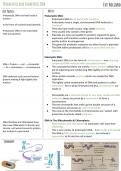
Prokaryotic and Eukaryotic DNA Eve Holland
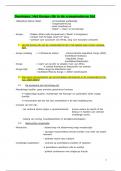
Key Points: Notes:
Prokaryotic DNA not held inside a Prokaryotic DNA:
nucleus - Prokaryotic DNA is not found with a nucleus
- Prokaryotes have a single, chromosomal DNA molecule a
In the form of nucleoid and plasmids ‘nucleoid’
- They also have small circular rings called plasmids
Prokaryotic DNA is not associated ● They usually only contain a few genes
with any proteins ● Plasmids are more accessible for proteins required for gene
expression and therefore contain genes that are required often,
quickly and/or in emergencies
● The genes for antibiotic resistance are often found in plasmids
- The DNA within prokaryotic cells is not associated with any
proteins
Eukaryotic DNA:
- Eukaryotic DNA is in the form of chromosomes - one very long
DNA + Protein → coil → chromatid condensed DNA molecule with associated proteins
→ 2x + centromere → chromosome ● The associated proteins are mainly histone proteins which has a
job of organising and condensing DNA tightly so it fits into the
nucleus.
DNA molecule coils around histone ● Other protein include enzymes which are needed for DNA
protein making it fight tightly into replication
nucleus - The tightly coiled combination of DNA and proteins is called
chromatin - this is what chromatid and thus chromosomes are
made of
- Chromatids are 2 identical strands of very long, condensed DNA
molecule, these are joined by a centromere to form a
chromosome
● The two chromatids that make up the double structure of a
chromosome are known as ‘sister chromatids’
● The ends of the chromatids in chromosomes are ‘sealed’ with
protective structures called telomeres
DNA In The Mitochondria & Chloroplasts:
Mitochondria and chloroplast have
- Mitochondria and chloroplasts in eukaryotic cells have their
their own DNA which is shorter and
OWN DNA.
circular, not wound around a protein
but instead is supercoiled - This is very similar to prokaryotic DNA - it is circular and shorter
- The DNA is NOT wound around a protein but instead is
supercoiled to fit into the cell instead
Summary:
, Genes and Non-Coding DNA Eve Holland
Key Points: Notes:
Gene = a sequence of DNA bases that Genes:
code for a specific polypeptide or - A gene is a sequence of DNA bases that code for a specific amino
functional RNA acid sequence thus polypeptide OR for functional RNA
- Each amino acid is coded for by a sequence of 3 bases within the
Each amino acid = 3 bases gene, these 3 bases are called a triplet or codon
- The complete set of genes in a cell is known as its genome
Group of 3 bases = a triplet or codon - The full range of proteins that the cell is able to produce is called
the proteome
Full set of genes in a cell = genome - Pairs of matching chromosomes, called a homologous pair, they
are the same size & have the same genes, but alleles can differ.
mRNA - transcription - travel to Functional RNA molecules are required for protein synthesis
ribosomes - mRNA - transcribed from DNA and posted out to ribosomes,
tRNA - translate mRNA at ribosomes, contains CODONS which are complementary to DNA triplet
correspond with specific amino acids - tRNA - translate mRNA by the ribosomes, contain an anticodon -
rRNA - part of ribosome structure specific to mRNA & match specific amino acids, clover shape
- rRNA - ribosomal RNA molecules = part of ribosome structure
A length of DNA that codes for 1
polypeptide is called a gene, thus - Every chromosome consists of a long DNA molecule that codes for
multiple genes in one chromosome several different proteins
- A length of DNA that codes for a single polypeptide or protein is
Position of gene in chromosome - called a gene
locus - The position of a gene on a chromosome is its locus (plural: loci)
- Each gene can exist in two or more different forms called alleles
Each genes has 2+ forms - allele - Different alleles of a gene have slightly different nucleotide
- Alleles take the same locus sequences but they still occupy the same position (locus) on the
chromosome
Lots of DNA doesn’t code for proteins Non-Coding DNA:
- Lots of nuclear DNA doesn’t code for polypeptides
Non coding sections - introns - Even genes that code for polypeptides contain sections that don’t
code for amino acids
Introns are removed in eukaryotes - These sections are called INTRONS
during protein synthesis - In eukaryotes, introns are removed in protein synthesis so they
don’t affect amino acid order
Prokaryotes do not have introns they - Prokaryotes do NOT have introns
only have exons (coding parts) - All the bits of the gene that do code for amino acids are called
EXONS
Non-coding DNA can also be - Non-coding DNA can also be found between genes, as non-coding
non-coding multiple repeats multiple repeats, this means they contain the same base
sequences repeated multiple times
Summary:
Key Points: Notes:
Prokaryotic DNA not held inside a Prokaryotic DNA:
nucleus - Prokaryotic DNA is not found with a nucleus
- Prokaryotes have a single, chromosomal DNA molecule a
In the form of nucleoid and plasmids ‘nucleoid’
- They also have small circular rings called plasmids
Prokaryotic DNA is not associated ● They usually only contain a few genes
with any proteins ● Plasmids are more accessible for proteins required for gene
expression and therefore contain genes that are required often,
quickly and/or in emergencies
● The genes for antibiotic resistance are often found in plasmids
- The DNA within prokaryotic cells is not associated with any
proteins
Eukaryotic DNA:
- Eukaryotic DNA is in the form of chromosomes - one very long
DNA + Protein → coil → chromatid condensed DNA molecule with associated proteins
→ 2x + centromere → chromosome ● The associated proteins are mainly histone proteins which has a
job of organising and condensing DNA tightly so it fits into the
nucleus.
DNA molecule coils around histone ● Other protein include enzymes which are needed for DNA
protein making it fight tightly into replication
nucleus - The tightly coiled combination of DNA and proteins is called
chromatin - this is what chromatid and thus chromosomes are
made of
- Chromatids are 2 identical strands of very long, condensed DNA
molecule, these are joined by a centromere to form a
chromosome
● The two chromatids that make up the double structure of a
chromosome are known as ‘sister chromatids’
● The ends of the chromatids in chromosomes are ‘sealed’ with
protective structures called telomeres
DNA In The Mitochondria & Chloroplasts:
Mitochondria and chloroplast have
- Mitochondria and chloroplasts in eukaryotic cells have their
their own DNA which is shorter and
OWN DNA.
circular, not wound around a protein
but instead is supercoiled - This is very similar to prokaryotic DNA - it is circular and shorter
- The DNA is NOT wound around a protein but instead is
supercoiled to fit into the cell instead
Summary:
, Genes and Non-Coding DNA Eve Holland
Key Points: Notes:
Gene = a sequence of DNA bases that Genes:
code for a specific polypeptide or - A gene is a sequence of DNA bases that code for a specific amino
functional RNA acid sequence thus polypeptide OR for functional RNA
- Each amino acid is coded for by a sequence of 3 bases within the
Each amino acid = 3 bases gene, these 3 bases are called a triplet or codon
- The complete set of genes in a cell is known as its genome
Group of 3 bases = a triplet or codon - The full range of proteins that the cell is able to produce is called
the proteome
Full set of genes in a cell = genome - Pairs of matching chromosomes, called a homologous pair, they
are the same size & have the same genes, but alleles can differ.
mRNA - transcription - travel to Functional RNA molecules are required for protein synthesis
ribosomes - mRNA - transcribed from DNA and posted out to ribosomes,
tRNA - translate mRNA at ribosomes, contains CODONS which are complementary to DNA triplet
correspond with specific amino acids - tRNA - translate mRNA by the ribosomes, contain an anticodon -
rRNA - part of ribosome structure specific to mRNA & match specific amino acids, clover shape
- rRNA - ribosomal RNA molecules = part of ribosome structure
A length of DNA that codes for 1
polypeptide is called a gene, thus - Every chromosome consists of a long DNA molecule that codes for
multiple genes in one chromosome several different proteins
- A length of DNA that codes for a single polypeptide or protein is
Position of gene in chromosome - called a gene
locus - The position of a gene on a chromosome is its locus (plural: loci)
- Each gene can exist in two or more different forms called alleles
Each genes has 2+ forms - allele - Different alleles of a gene have slightly different nucleotide
- Alleles take the same locus sequences but they still occupy the same position (locus) on the
chromosome
Lots of DNA doesn’t code for proteins Non-Coding DNA:
- Lots of nuclear DNA doesn’t code for polypeptides
Non coding sections - introns - Even genes that code for polypeptides contain sections that don’t
code for amino acids
Introns are removed in eukaryotes - These sections are called INTRONS
during protein synthesis - In eukaryotes, introns are removed in protein synthesis so they
don’t affect amino acid order
Prokaryotes do not have introns they - Prokaryotes do NOT have introns
only have exons (coding parts) - All the bits of the gene that do code for amino acids are called
EXONS
Non-coding DNA can also be - Non-coding DNA can also be found between genes, as non-coding
non-coding multiple repeats multiple repeats, this means they contain the same base
sequences repeated multiple times
Summary: