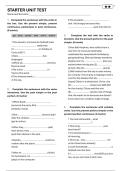
Sake WSET Level 1 Test 2023- 2024 Japanese name for basic sake - ANSWER Futsu-shu Color(s), abv, flavors futsu-shu - ANSWER Colorless, pale yellow or green. 15-17%. Slightly sweet, lightly acidic, delicate lactic and fruity flavors Two big aroma categories of Sake - ANSWER Floral/fruity and cereal/lactic Daiginj ō meaning - ANSWER 'Big' ginj ō Junmai meaning - ANSWER 'Pure rice'; No alcohol added Two grades of premium sake that have more cereal/lactic aromas, higher acidity and more umami. - ANSWER Junmai, honj ōzō What is responsible for the fruity / floral aromas of ginj ō styles? - ANSWER Cooler fermentation temperatures 4 steps of preparing rice - ANSWER Polishing, washing, soaking, steaming Outer and middle layers of rice grains affect style how? - ANSWER More cereal / lactic notes, more acidity and umami Using only core of rice grain (almost pure starch) influence style of sake how? - ANSWER Less acidic, less umami. More fruity / floral notes. Honj ōzō and junmai polishing ratio - ANSWER 70% of rice grain Ginjō and junmai ginj ō polishing % - ANSWER 60% of rice grain Daiginj ō or junmai daiginj ō polishing % - ANSWER 50 % or less of rice grain 4 stages of preparing the rice grain - ANSWER Polish, wash, soak, steam 4 steps of making Koji - ANSWER Cooling (rice), spreading (mold), initial growth, stopping growth How does brewer slide w or stop koji growth? - ANSWER Moves rice to cooler /coolest part of the room Where does mold growth take place? - ANSWER Koji room Aroma and structure characteristics of ginj ō and daiginj ō - ANSWER Fruity, floral, less acid, umami 4 specialty styles - ANSWER Nama, Nigori, Sparkling, Koshu Rice, koji, temperature, water, yeast; which 2 have greatest effect on flavor - ANSWER Yeast, fermentation temperature Lower fermentation temps yield what? - ANSWER Fruity and floral aromas typical of ginj ō styles Higher fermentation temps produce what type of aromas - ANSWER Cereal and lactic Sake that has not been pasteurized - ANSWER Nama Junmai means - ANSWER No added alcohol Honj ōzō fermentation temp - ANSWER Warm Usual spelling of Nama sake - ANSWER Nama-zake Roughly filtered sake - ANSWER Nigori Aged sake - ANSWER Koshu Oak frequently used to age sake T/F - ANSWER F Structure of Koshu - ANSWER Amber, textured, sweet Flavors of Koshu - ANSWER Nuts, dried fruit, meat, pickled vegetables Koshu Storage temperature and storage vessels - ANSWER Broad range x 2 Sake storage temp - ANSWER Cool, refrigerated Effect of light on sake - ANSWER Damage
Tentamen (uitwerkingen)
Sake WSET Level 1 Test
Beoordeling
Verkocht
-
Pagina's
5
Geüpload op
09-09-2023
Geschreven in
2023/2024
Sake WSET Level 1 Test ...
Instelling
Sake WSET Level 1
Vak
Sake WSET Level 1
Voorbeeld van de inhoud
Geschreven voor
- Instelling
- Sake WSET Level 1
- Vak
- Sake WSET Level 1
Documentinformatie
- Geüpload op
- 9 september 2023
- Aantal pagina's
- 5
- Geschreven in
- 2023/2024
- Type
- Tentamen (uitwerkingen)
- Bevat
- Onbekend
Onderwerpen
-
wset
-
sake wset level 1
-
sake wset level 1 test
-
sake wset level 1 test 2023 2024
-
japanese name for basic sake
-
two big aroma categories of sake
€8,99
Krijg toegang tot het volledige document:
100% tevredenheidsgarantie
Direct beschikbaar na je betaling
Lees online óf als PDF
Geen vaste maandelijkse kosten

Ook beschikbaar in voordeelbundel
Voordeelbundel
WSET PACKAGED EXAMS 2023-2024
7
2023
€ 60,70
Meer info