TNCC Pre course study guide\\TNCC Pre-Course
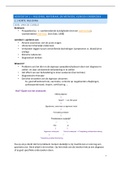
Study Guide 2026 – Trauma Nursing Core Course
Prep
Why is it important to understand biomechanics as it relates to types of energy forces and MOI?
Understanding how energy forces affect the human body is useful for better anticipating effects of
trauma on a person
What are common MOIs that result in trauma
blunt, penetrating, blast
What injuries are expected in each stage of a blast (explosion)
Primary (direct blast effects) - pulmonary barotrauma, tympanic membrane rupture, abdominal
hemorrhage/perforation, globe rupture, mild TBI
Secondary (projectiles) - penetrating or blunt injuries, eye penetration
Tertiary (propulsion of body onto hard surface) - blunt/penetrating injury, fracture, traumatic
amputation, closed/open TBI
Quaternary (heat/fume/combustion) - burns, crush injury, asthma, COPD, angina, hyperglycemia,
hypertension
Quinary (hazardous materials) - depends on agent (bacteria, radiation, chemical etc)
Why is it important to use a systemic approach to the initial assessment of a trauma patient?
To maximize outcomes and reduce the risk of undiscovered injuries.
What is included in the preparation for a trauma patient?
Activate the Trauma Team and assign roles
Prepare the room/equipment
Don PPE
Consider safety threats
Decontamination
What information is obtained in the general impression
overall status and identification of hemorrhage; identify all life threatening injuries; APVU
What does the A-J mnemonic stand for?
A - airway/alertness
B - breathing/ventilation
C - circulation, control of hemorrhage
D - disability (neuro status)
E - exposure and environmental control
F - full set of vitals/family presence
,G - get adjusts/give comfort
L - labs
M - monitor cardiac status
N - nasogastric/orogastric
O - oxygenation
P - pain
H - history/head to toe
I - inspect posterior
J - just keep reevaluating
What does alertness include in airway assessment?
APVU
When an intervention is taken during the primary survey, what must the nurse do after the
intervention?
reassess
What are componants of secondary survey?
history
head to toe assessment
inspect posterior surfaces
reassessment
What should nurse reevaluate?
all aspects of the primary and secondary assessments
V - vitals
I - injuries/interventions
P - primary survey
P - pain
What are the differences in ventilation, diffusion and perfusion?
ventilation - mechanical process of breathing
diffusion - movement of gases (higher to lower concentration)
perfusion - movement of blood through circulatory system
What are possible causes of airway obstruction in the trauma patient?
altered consciousness - tongue falling posteriorly into oropharynx, blood/vomit/fluids unable to be
cleared
maxillofacial trauma - edema, secretions, bleeding, dislodeged teeth/dentures
neck/larangeal trauma - vascular injuries resulting in hematomas
obese patients - increased fat deposition
, What interventions address airway obstruction?
suction
jaw thrust
insert airway
What is the difference between an airway adjunct and a definitive airway?
airway adjunct - work by stenting open the upper airway
- nasopharyngeal
- oropharyngeal (unresponsive/no gag reflex)
- extraglottic (Supra or Retro "king tube")
definitve airway - tube securely placed in the trachea with cuff inflated below vocal cords
-ett tube
What is the difference between normoxia and hyperoxia? Why does it matter?
normoxia - normal o2 in blood - Pa02 60-120
Hyperoxia -high o2 level in blood - Pa02 >120
too much o2 can contribute to poor outcomes
-lung damage
-↓ CO/↑ vascular resistance
-CNS toxicity - twitching, blurred vision, convulsions etc
-increased mortality - especially in TBI, cardiac arrest, stroke, sepsis
What is the most common type of shock in trauma patients? What are possible interventions to
manage uncontrolled external hemorrhage?
hypovolemic shock
- hemorrhage control (internal, external, burns)
- restore circulating volume
What are causes of obstructive shock?
hypoperfusion due to obstruction in either of the great vessels of the heart resulting in ↓ CO
-cardiac tamponade
-tension hemothorax
-tension pneumothorax
-venous air embolism
What types of shock may occur after a spinal cord injury where there is a loss of sympathetic
innervation below the level of injury?
distributive shock
- neurogenic shock resulting from loss of SNS control of vascular tone
Study Guide 2026 – Trauma Nursing Core Course
Prep
Why is it important to understand biomechanics as it relates to types of energy forces and MOI?
Understanding how energy forces affect the human body is useful for better anticipating effects of
trauma on a person
What are common MOIs that result in trauma
blunt, penetrating, blast
What injuries are expected in each stage of a blast (explosion)
Primary (direct blast effects) - pulmonary barotrauma, tympanic membrane rupture, abdominal
hemorrhage/perforation, globe rupture, mild TBI
Secondary (projectiles) - penetrating or blunt injuries, eye penetration
Tertiary (propulsion of body onto hard surface) - blunt/penetrating injury, fracture, traumatic
amputation, closed/open TBI
Quaternary (heat/fume/combustion) - burns, crush injury, asthma, COPD, angina, hyperglycemia,
hypertension
Quinary (hazardous materials) - depends on agent (bacteria, radiation, chemical etc)
Why is it important to use a systemic approach to the initial assessment of a trauma patient?
To maximize outcomes and reduce the risk of undiscovered injuries.
What is included in the preparation for a trauma patient?
Activate the Trauma Team and assign roles
Prepare the room/equipment
Don PPE
Consider safety threats
Decontamination
What information is obtained in the general impression
overall status and identification of hemorrhage; identify all life threatening injuries; APVU
What does the A-J mnemonic stand for?
A - airway/alertness
B - breathing/ventilation
C - circulation, control of hemorrhage
D - disability (neuro status)
E - exposure and environmental control
F - full set of vitals/family presence
,G - get adjusts/give comfort
L - labs
M - monitor cardiac status
N - nasogastric/orogastric
O - oxygenation
P - pain
H - history/head to toe
I - inspect posterior
J - just keep reevaluating
What does alertness include in airway assessment?
APVU
When an intervention is taken during the primary survey, what must the nurse do after the
intervention?
reassess
What are componants of secondary survey?
history
head to toe assessment
inspect posterior surfaces
reassessment
What should nurse reevaluate?
all aspects of the primary and secondary assessments
V - vitals
I - injuries/interventions
P - primary survey
P - pain
What are the differences in ventilation, diffusion and perfusion?
ventilation - mechanical process of breathing
diffusion - movement of gases (higher to lower concentration)
perfusion - movement of blood through circulatory system
What are possible causes of airway obstruction in the trauma patient?
altered consciousness - tongue falling posteriorly into oropharynx, blood/vomit/fluids unable to be
cleared
maxillofacial trauma - edema, secretions, bleeding, dislodeged teeth/dentures
neck/larangeal trauma - vascular injuries resulting in hematomas
obese patients - increased fat deposition
, What interventions address airway obstruction?
suction
jaw thrust
insert airway
What is the difference between an airway adjunct and a definitive airway?
airway adjunct - work by stenting open the upper airway
- nasopharyngeal
- oropharyngeal (unresponsive/no gag reflex)
- extraglottic (Supra or Retro "king tube")
definitve airway - tube securely placed in the trachea with cuff inflated below vocal cords
-ett tube
What is the difference between normoxia and hyperoxia? Why does it matter?
normoxia - normal o2 in blood - Pa02 60-120
Hyperoxia -high o2 level in blood - Pa02 >120
too much o2 can contribute to poor outcomes
-lung damage
-↓ CO/↑ vascular resistance
-CNS toxicity - twitching, blurred vision, convulsions etc
-increased mortality - especially in TBI, cardiac arrest, stroke, sepsis
What is the most common type of shock in trauma patients? What are possible interventions to
manage uncontrolled external hemorrhage?
hypovolemic shock
- hemorrhage control (internal, external, burns)
- restore circulating volume
What are causes of obstructive shock?
hypoperfusion due to obstruction in either of the great vessels of the heart resulting in ↓ CO
-cardiac tamponade
-tension hemothorax
-tension pneumothorax
-venous air embolism
What types of shock may occur after a spinal cord injury where there is a loss of sympathetic
innervation below the level of injury?
distributive shock
- neurogenic shock resulting from loss of SNS control of vascular tone