International Business
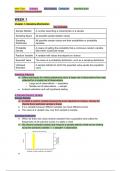
Week 1
Globalization = the shift toward a more integrated and interdependent society
The globalization of markets refers to the merging of historically distinct and separate
national markets into one huge global marketplace.
Falling barriers to cross-border trade and investment
Global tastes
Benefits small and large companies
Significant differences between national markets
Products that serve universal needs are global: oil
Competitors may not change among nations.
The globalization of production:
Sourcing goods to take advantage of differences in cost and quality of factors of
production.
o Factors of production include labor, energy, land, capital
Early outsourcing was confined to manufacturing
o Modern communications technology has advanced outsourcing today for
service activities
Robert Reich and ‘’global products’’
Impediments prevent optimal dispersion of activities:
o Formal and informal barriers to trade
o Barriers to foreign direct investment
o Transportation costs
o Political and economic risk
o Challenge of coordinating globally dispersed supply chain
Institutions needed to help manage, regulate, and polic global marketplace:
General Agreement on Tariffs and Trade (GATT)
World Trade organization
o Polices the world trading system
o Ensures nation-states adhere to the rules
o Facilitates multinational agreements among members
o 164 nations that count for 98 percent of world trade were members as of
2019
International Monetary Fund (IMF)
o Established to maintain order in the international monetary system
o Often seen as the lender of last resort
o In return for loans, requires nation-states to adopt specific economic policies
aimed at returning their economies to stability and growth.
The World Bank
o Promotes economic development
o Focused on making low-interest loans to cash-strapped governments in poor
nations that wish to undertake significant infrastructure investments
, o Considered less controversial than the IMF
The United Nations
o Promotes peace through international cooperation and collective security
o 193 member countries
o UN charter- four basic purposes:
Maintain international peace and security
Develop friendly relations among nations
Cooperate in solving international problems and in promoting respect
for human rights
Be a center for harmonizing the actions of nations
Group of Twenty (G20)
o Finance ministers and central bank governors of the 19 largest economies in
the world, plus representatives from the European Union and the European
Central Bank
o Represents 90 percent of global GDP and 80 percent of international global
trade
International trade: when a firm exports goods or services to consumers in another country
Foreign direct investment: when a firm invests resources in business activities outside its
home country
Between 1960 and 2018 the value of the world economy increased 9.4 times, while the
value of international goods increased 22.4 times.
Role of technological change:
Communications
o Development of the microprocessor single most important innovation since
world war 2
o Moore’s law predicts that the power of microprocessor technology doubles
and its cost of production falls in half every 18 months.
The internet
o More than half of the world’s population uses the internet
o Global e-commerce sales over 2.5 trillion
o The internet acts as an equalizer
Transportation technology
o Commercial jets, superfreighters, and containerization have all shrunk the
globe
Implications for the globalization of production
o Locating production in geographically separate locations has become more
economical
Implications for globalization of markets
o Cultural distance has been reduced and has brought some convergence of
consumer tastes and preferences
Multinational enterprise (MNE) is any business that has productive activities in two or more
countries.
Week 1
Globalization = the shift toward a more integrated and interdependent society
The globalization of markets refers to the merging of historically distinct and separate
national markets into one huge global marketplace.
Falling barriers to cross-border trade and investment
Global tastes
Benefits small and large companies
Significant differences between national markets
Products that serve universal needs are global: oil
Competitors may not change among nations.
The globalization of production:
Sourcing goods to take advantage of differences in cost and quality of factors of
production.
o Factors of production include labor, energy, land, capital
Early outsourcing was confined to manufacturing
o Modern communications technology has advanced outsourcing today for
service activities
Robert Reich and ‘’global products’’
Impediments prevent optimal dispersion of activities:
o Formal and informal barriers to trade
o Barriers to foreign direct investment
o Transportation costs
o Political and economic risk
o Challenge of coordinating globally dispersed supply chain
Institutions needed to help manage, regulate, and polic global marketplace:
General Agreement on Tariffs and Trade (GATT)
World Trade organization
o Polices the world trading system
o Ensures nation-states adhere to the rules
o Facilitates multinational agreements among members
o 164 nations that count for 98 percent of world trade were members as of
2019
International Monetary Fund (IMF)
o Established to maintain order in the international monetary system
o Often seen as the lender of last resort
o In return for loans, requires nation-states to adopt specific economic policies
aimed at returning their economies to stability and growth.
The World Bank
o Promotes economic development
o Focused on making low-interest loans to cash-strapped governments in poor
nations that wish to undertake significant infrastructure investments
, o Considered less controversial than the IMF
The United Nations
o Promotes peace through international cooperation and collective security
o 193 member countries
o UN charter- four basic purposes:
Maintain international peace and security
Develop friendly relations among nations
Cooperate in solving international problems and in promoting respect
for human rights
Be a center for harmonizing the actions of nations
Group of Twenty (G20)
o Finance ministers and central bank governors of the 19 largest economies in
the world, plus representatives from the European Union and the European
Central Bank
o Represents 90 percent of global GDP and 80 percent of international global
trade
International trade: when a firm exports goods or services to consumers in another country
Foreign direct investment: when a firm invests resources in business activities outside its
home country
Between 1960 and 2018 the value of the world economy increased 9.4 times, while the
value of international goods increased 22.4 times.
Role of technological change:
Communications
o Development of the microprocessor single most important innovation since
world war 2
o Moore’s law predicts that the power of microprocessor technology doubles
and its cost of production falls in half every 18 months.
The internet
o More than half of the world’s population uses the internet
o Global e-commerce sales over 2.5 trillion
o The internet acts as an equalizer
Transportation technology
o Commercial jets, superfreighters, and containerization have all shrunk the
globe
Implications for the globalization of production
o Locating production in geographically separate locations has become more
economical
Implications for globalization of markets
o Cultural distance has been reduced and has brought some convergence of
consumer tastes and preferences
Multinational enterprise (MNE) is any business that has productive activities in two or more
countries.