Summary: International Marketing
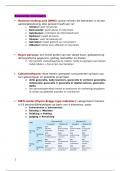
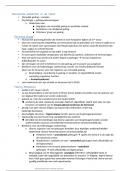
➔ Globalization vs internationalisation
STEP 1: Decision to internationalize
Internal factors
ERPG Framework
➔ Ethnocentric
➔ Polycentric
➔ Regiocentric
➔ Geocentric
(Globalization vs localisation OR Glocalization)
(SME or LSE) (begin chapter 2)
Pro-active motives
➔ Profit & growth Re-active motives
➔ Managerial enthusiasm ➔ Overproduction
➔ Unique product ➔ Expand sales seasonal products
➔ Economies of scale
External factors
Triggers Barriers
➔ Tax advantage ➔ High pressure competitors
➔ New market opportunities ➔ Difficult market access
➔ Small psychological distance ➔ Difficult border administration
➔ Small or saturated domestic markets ➔ Telecom and transport infrastructure
➔ Competitive pressure ➔ Difficult business environment
Competitiveness
➔ Macro-level: porter’s diamond (see page 5)
➔ Meso-level: porters five forces (see page 6)
➔ Micro-level: porter’s value chain (see page 6)
Internationalisation theories ->
➔ Uppsala model
➔ Network model
➔ Born Globals
STEP 2: Market selection (begin chapter 3)
Secondary vs primary research
International marketing information system (MIS)
Market segmentation
➔ Market research (desk & field research)
➔ Ranking world markets
➔ Local competition
➔ Political risks
➔ Trade barriers
➔ Cultural/ psychic distance
1
, “Oil stain”: open flagship store first in new country
Criteria of effective segments: measurable, accessible, actionable, profitable (MAAP)
Entry strategy
➔ Own stores: low risk countries, high growth potential
➔ Franchising: high risk small countries
➔ Joint ventures: entry barriers so easier to cooperate with local company
Criteria of international market segmentation (IMS)
General characteristics Specific characteristics
➔ Geographic ➔ Cultural
➔ Language ➔ Lifestyle
➔ Political ➔ Personality
➔ Demography ➔ Attitudes & tastes
➔ Economy
➔ Industrial structure
➔ Technology
➔ Social organization
➔ Religion
➔ Education
Business Environment Risk Index (BERI) (lower than 40= bad)
➔ Wider range: MACS (market attractiveness + competitive strength)
o A country: own stores
o B country: joint ventures
o C country: franchising
Transitional clustering VS Stereotyping
Micro-segmentation
➔ Geographical
➔ Demographical
➔ Psychographical
➔ Purchasing & online behaviour
External analysis DESTEP (start chapter 4)
6 macro factors on which the company has no influence
1. Demographic
2. Economic
Primary, secondary, tertiary sector (the bigger the richer)
Classification based on income (GDP)
- Developing/less developed countries
o Russia, African countries
o Low GDP, bad infrastructure, …
- Newly industrialized countries (NIC’s)
o BRICS (Brazil, Russia, India, China, South Africa)
o Aiming at export
o Four Asian tigers: south Korea, Taiwan, Hong Kong, Singapore
- Advanced industrialized countries
o Strong GDP, Guaranteed health, …
2
➔ Globalization vs internationalisation
STEP 1: Decision to internationalize
Internal factors
ERPG Framework
➔ Ethnocentric
➔ Polycentric
➔ Regiocentric
➔ Geocentric
(Globalization vs localisation OR Glocalization)
(SME or LSE) (begin chapter 2)
Pro-active motives
➔ Profit & growth Re-active motives
➔ Managerial enthusiasm ➔ Overproduction
➔ Unique product ➔ Expand sales seasonal products
➔ Economies of scale
External factors
Triggers Barriers
➔ Tax advantage ➔ High pressure competitors
➔ New market opportunities ➔ Difficult market access
➔ Small psychological distance ➔ Difficult border administration
➔ Small or saturated domestic markets ➔ Telecom and transport infrastructure
➔ Competitive pressure ➔ Difficult business environment
Competitiveness
➔ Macro-level: porter’s diamond (see page 5)
➔ Meso-level: porters five forces (see page 6)
➔ Micro-level: porter’s value chain (see page 6)
Internationalisation theories ->
➔ Uppsala model
➔ Network model
➔ Born Globals
STEP 2: Market selection (begin chapter 3)
Secondary vs primary research
International marketing information system (MIS)
Market segmentation
➔ Market research (desk & field research)
➔ Ranking world markets
➔ Local competition
➔ Political risks
➔ Trade barriers
➔ Cultural/ psychic distance
1
, “Oil stain”: open flagship store first in new country
Criteria of effective segments: measurable, accessible, actionable, profitable (MAAP)
Entry strategy
➔ Own stores: low risk countries, high growth potential
➔ Franchising: high risk small countries
➔ Joint ventures: entry barriers so easier to cooperate with local company
Criteria of international market segmentation (IMS)
General characteristics Specific characteristics
➔ Geographic ➔ Cultural
➔ Language ➔ Lifestyle
➔ Political ➔ Personality
➔ Demography ➔ Attitudes & tastes
➔ Economy
➔ Industrial structure
➔ Technology
➔ Social organization
➔ Religion
➔ Education
Business Environment Risk Index (BERI) (lower than 40= bad)
➔ Wider range: MACS (market attractiveness + competitive strength)
o A country: own stores
o B country: joint ventures
o C country: franchising
Transitional clustering VS Stereotyping
Micro-segmentation
➔ Geographical
➔ Demographical
➔ Psychographical
➔ Purchasing & online behaviour
External analysis DESTEP (start chapter 4)
6 macro factors on which the company has no influence
1. Demographic
2. Economic
Primary, secondary, tertiary sector (the bigger the richer)
Classification based on income (GDP)
- Developing/less developed countries
o Russia, African countries
o Low GDP, bad infrastructure, …
- Newly industrialized countries (NIC’s)
o BRICS (Brazil, Russia, India, China, South Africa)
o Aiming at export
o Four Asian tigers: south Korea, Taiwan, Hong Kong, Singapore
- Advanced industrialized countries
o Strong GDP, Guaranteed health, …
2