BEM 321
STRATEGIC MARKETING
Summaries
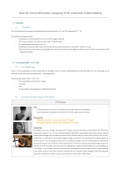
CHAPTER 1:
The Nature Of Strategic Marketing
1.1. The Nature and Levels of Strategy in the Organisation
Strategy: a plan of action that aims to reach a goal or plan. An organisation needs to manage its resources,
through the selection of profitable markets in a dynamic and changing environment. Three levels of strategy
can be identified in large organisations, namely corporate strategy, business strategy and functional strategy.
1.2.1. Corporate Strategy: This relates to the organisation as a whole and reflects what the CEO has as the
vision for the organisation. Corporate strategy reflects the aim (purpose) of the organisation and how the
organization's resources can be used to identify opportunities and threats, taking the environment into
account.
, 1.2.2. Business Strategy: the strategy is developed to focus on the specific business unit. Strategic
business unit (SBU) is part of a larger business which sells a product range to a target market, operates
independently from the other units, and focus on profitability. The business unit need not be a specific
product, it could also be geographical locations, divisions, product lines, single product or brands. The SBU
can operate as an individual organization.
Strategic Business Unit (SBU)
Benefits:
▪ serve key customer segments, getting close to them to satisfy their needs as they are able to focus on those
segments
▪ perform the key functions of the organisation, which will enable it to create a clear advantage for itself. By managing
the functions areas that influence their product and market, the SBU can act more effectively as it has control over its
own resources (Lamb et al., 2018).
▪ establish an edge over competitors by exploiting possible opportunities ( Jooste et al., 2009), using a number of key
competencies, resources and capabilities.
Challenges:
▪ Difficulty in deciding what business (or part of the business) belongs in one SBU.
▪ The identification of SBUs is not always simple.
▪ There may be the duplication of some functions, e.g. Finance and Supply chain (costs)
1.2.3. Functional Strategy: Strategy that is implemented within the functional areas, such as finance,
logistics or marketing. This level of strategy focuses on developing and carrying out the activities that are
necessary to reach the organisation’s long-term objectives.
1.3.MARKETING
Marketing: the activity, set of institutions, and processes for creating, communicating, delivering, and
exchanging offerings that have value for customers, clients, partners, and society at large
Key Aspects in the definition:
▪ Marketing includes many activities, such as developing a marketing strategy and a marketing
communication strategy for the offering.
▪ These activities are done with the purpose of providing value for stakeholders, of which the customer is
one stakeholder group.
▪ These activities are focused on building and managing profitable relationships with stakeholders (Kotler et
al., 2012), highlighting the importance of value to a range of stakeholders.
1.4. The Nature of Strategic Marketing
, Strategic Marketing: a continuous process of planning, implementing and controlling the market and
marketing strategies, which is mainly done at the top management level of an organisation.
▪ It is future oriented
▪ Impacted by the corporate culture & corporate resources
▪ Products play a different role over their life cycle, impacting the strategy selected.
1.4.1. The Components of Strategic Marketing
Strategic Analysis ▪ This clarifies what business the organisation is in, who they are and what product
offerings (need-satisfying benefits) are offered to consumers.
▪ SWOT
Market Strategies Implemented to reach their customers and market to develop a sustainable competitive
advantage by differentiating it from competitors.
Strategy Implementation & Strategy implemented and its success determined through metrics
metrics
1.4.2. The Importance of Strategic Marketing
Value Organisations need to offer value to stakeholders
Competitive Marketplace Local, regional, national & International competition
Demanding Consumer specific needs for products and services, and requirements of how this interaction with the
organisation should take place.
Rapidly Changing Technology & - Obsolete products
Systems - This renders certain organisations’ current product range less relevant and requires a shift
in their thinking.
The Impact of social media e.g. twitter, Instagram
enables consumers to interact directly with organisations & actively engage with brands.
1.4.3. Differentiating Strategic Marketing and Marketing Management
Strategic marketing is differentiated from marketing management in a number of ways. They differ in their
level, their time frame, their focus and their activities.
STRATEGIC MARKETING MARKETING MANAGEMENT
Long-term with decisions having an impact many years Short(er) term with decisions impacting within one year
into the future
Analytical in nature, thus seeking new opportunities Action-oriented, exploiting existing opportunities
Dynamic, unstable environment Stable predictable environment
Proactive (due to its analytical focus) Reactive (due to its action orientation)
Top or upper levels of the organisation Middle or lower levels of the organisation
Affects the entire organisation, including other areas, Focused on the marketing department
functions or business units
STRATEGIC MARKETING
Summaries
CHAPTER 1:
The Nature Of Strategic Marketing
1.1. The Nature and Levels of Strategy in the Organisation
Strategy: a plan of action that aims to reach a goal or plan. An organisation needs to manage its resources,
through the selection of profitable markets in a dynamic and changing environment. Three levels of strategy
can be identified in large organisations, namely corporate strategy, business strategy and functional strategy.
1.2.1. Corporate Strategy: This relates to the organisation as a whole and reflects what the CEO has as the
vision for the organisation. Corporate strategy reflects the aim (purpose) of the organisation and how the
organization's resources can be used to identify opportunities and threats, taking the environment into
account.
, 1.2.2. Business Strategy: the strategy is developed to focus on the specific business unit. Strategic
business unit (SBU) is part of a larger business which sells a product range to a target market, operates
independently from the other units, and focus on profitability. The business unit need not be a specific
product, it could also be geographical locations, divisions, product lines, single product or brands. The SBU
can operate as an individual organization.
Strategic Business Unit (SBU)
Benefits:
▪ serve key customer segments, getting close to them to satisfy their needs as they are able to focus on those
segments
▪ perform the key functions of the organisation, which will enable it to create a clear advantage for itself. By managing
the functions areas that influence their product and market, the SBU can act more effectively as it has control over its
own resources (Lamb et al., 2018).
▪ establish an edge over competitors by exploiting possible opportunities ( Jooste et al., 2009), using a number of key
competencies, resources and capabilities.
Challenges:
▪ Difficulty in deciding what business (or part of the business) belongs in one SBU.
▪ The identification of SBUs is not always simple.
▪ There may be the duplication of some functions, e.g. Finance and Supply chain (costs)
1.2.3. Functional Strategy: Strategy that is implemented within the functional areas, such as finance,
logistics or marketing. This level of strategy focuses on developing and carrying out the activities that are
necessary to reach the organisation’s long-term objectives.
1.3.MARKETING
Marketing: the activity, set of institutions, and processes for creating, communicating, delivering, and
exchanging offerings that have value for customers, clients, partners, and society at large
Key Aspects in the definition:
▪ Marketing includes many activities, such as developing a marketing strategy and a marketing
communication strategy for the offering.
▪ These activities are done with the purpose of providing value for stakeholders, of which the customer is
one stakeholder group.
▪ These activities are focused on building and managing profitable relationships with stakeholders (Kotler et
al., 2012), highlighting the importance of value to a range of stakeholders.
1.4. The Nature of Strategic Marketing
, Strategic Marketing: a continuous process of planning, implementing and controlling the market and
marketing strategies, which is mainly done at the top management level of an organisation.
▪ It is future oriented
▪ Impacted by the corporate culture & corporate resources
▪ Products play a different role over their life cycle, impacting the strategy selected.
1.4.1. The Components of Strategic Marketing
Strategic Analysis ▪ This clarifies what business the organisation is in, who they are and what product
offerings (need-satisfying benefits) are offered to consumers.
▪ SWOT
Market Strategies Implemented to reach their customers and market to develop a sustainable competitive
advantage by differentiating it from competitors.
Strategy Implementation & Strategy implemented and its success determined through metrics
metrics
1.4.2. The Importance of Strategic Marketing
Value Organisations need to offer value to stakeholders
Competitive Marketplace Local, regional, national & International competition
Demanding Consumer specific needs for products and services, and requirements of how this interaction with the
organisation should take place.
Rapidly Changing Technology & - Obsolete products
Systems - This renders certain organisations’ current product range less relevant and requires a shift
in their thinking.
The Impact of social media e.g. twitter, Instagram
enables consumers to interact directly with organisations & actively engage with brands.
1.4.3. Differentiating Strategic Marketing and Marketing Management
Strategic marketing is differentiated from marketing management in a number of ways. They differ in their
level, their time frame, their focus and their activities.
STRATEGIC MARKETING MARKETING MANAGEMENT
Long-term with decisions having an impact many years Short(er) term with decisions impacting within one year
into the future
Analytical in nature, thus seeking new opportunities Action-oriented, exploiting existing opportunities
Dynamic, unstable environment Stable predictable environment
Proactive (due to its analytical focus) Reactive (due to its action orientation)
Top or upper levels of the organisation Middle or lower levels of the organisation
Affects the entire organisation, including other areas, Focused on the marketing department
functions or business units