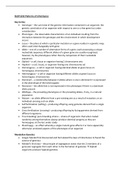
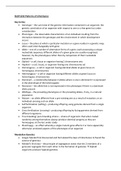
WEEK 7 – UNFAIR TERMS
* Chen-Wishart, pp 394-402, 417-459
Unfair terms in non-consumer contracts
Unfair Contract Terms Act 1977, ss 1, 2, 3, 6, 7, 11, 13 and Schedules 1
and 2 (as amended by the Consumer Rights Act 2015)
Smith v Eric S Bush [1990] 1 AC 831 (HL) at 831-2, 848-54, 856-60, 872-3
St Albans City and District Council v International Computers Ltd [1996] 4
All ER 481 (CA)
Unfair terms in consumer contracts
Consumer Rights Act 2015, ss 31, 57, 61-71, 73, 75, 76 and Schedule 2
Law Commission, Unfair Terms in Consumer Contracts: Advice to the
Department for Business,
Innovation and Skills (March 2013), Summary vi-viii
Office of Fair Trading v Abbey National Plc [2009] UKSC 6, [2010] 1 AC 696
Cavendish Square Holding BV v Makdessi [2015] UKSC 67, [2015] 3 WLR
1373 at [102]-[113], [200]-[213], [299]-[315]
Optional further reading
Micklitz and Reich, ‘The Court and Sleeping Beauty: The Revival of the
Unfair Contract Terms
Directive (UCTD)’ (2014) 51 CMLR 771
Whittaker, ‘Distinctive Features of the New Consumer Contract Law’
(2017) 133 LQR 47
QUESTIONS:
1. Why do we consider ‘unfair’ terms problematic? What is the difference
between ‘procedural’ and ‘substantive’ unfairness? The courts traditionally
been far happier to intervene in cases of the former than the latter: why?
Are UCTA 1977 and/or CRA 2015 focussed on remedying substantive
unfairness or simply procedural unfairness?
I. An unconscionable contract is one that is so one-sided that it is unfair to
one party and therefore unenforceable under law. It is a type of contract
that leaves one party with no real, meaningful choice, usually due to
major differences in bargaining power between the parties.
II. In a lawsuit, if the court finds a contract to be unconscionable, they will
typically declare the contract to be void. No damages award or specific
performance will be issued, but instead the parties will be released from
their contract obligations.
III. A typical example of an unconscionable contract is where one party is an
experienced dealer in a type of business, while the other party is an
average consumer.
IV. Suppose that the business dealer requires the consumer to sign a
contract. Within the contract, they have buried very complicated,
technical language that most people wouldn’t understand or recognize.
The business dealer used very small font and inserted the clause in a way
, that would purposefully mislead the consumer into signing on unfair
terms.
V. In this case, the contract might be declared unconscionable due to the
unequal bargaining power between the parties, and the fact that one
party used their knowledge and experience to take advantage of the
other. If the court finds the contract unconscionable, it will be declared
void and unenforceable.
VI. Substantive - contents of the contract
VII. Procedural - unfairness during the contractual procedure.
VIII. Lord Denning and the 'Little Man' In unfair contracts, Freedom of
Contracts Idea.
IX. COURTS ARE MORE WILLING TO INTERFERE IN PROCEDURAL
UNFAIRNESS BECAUSE IT IS ONLY THEN THAT THEY CAN ENSURE
THE FREEDOM OF CONTRACTS IS ENSURED.
2. Identify the differences between UCTA 1977 and CRA 2015 concerning:
(a) The parties to whom their provisions apply
i. CRA applies to consumers, whilst UCTA for non-consumers
(businesses) (post-2015 reforms). Section 2(3): ‘Consumer’
means an individual acting for purposes that are wholly or
mainly outside that individual’s trade, business, craft or
profession.
Section 2(2): ‘Trader’ means a person acting for purposes
relating to that person’s trade, business, craft or profession […]
(e.g. private eBay sellers).
S 65 – Bar on exclusion or restriction of negligence liability:
1. (1) A trader cannot by a term of a consumer contract or by a
consumer notice exclude or restrict liability for death or
personal injury resulting from negligence.
o E.g., ‘we accept no liability for injury howsoever caused…’
ii. UCTA: repeals application of UCTA to consumer contracts but
Instead replicates UCTA provisions for consumers In new CRA.
It Is against businesses; S 1(3) means UCTA applies to
exclusions or restrictions of business liability meaning liability
arising from things done In the course of a business, or
occupation of premises used for business purposes of the
occupier.
(b) The types of terms they regulate
i. UCTA only regulates terms that exclude or restrict liability,
Including disguised exclusion clauses. CRA covers any contract
terms, except core terms where they are prominent and
transparent.
ii. UCTA: exclusions or restrictions of liability, e.g. 'we do not
accept liability for…'. 2, It Includes 'disguised' exclusion clauses
(making the liability or Its enforcement a subject to restrictive
or onerous conditions, excluding or restricting any right or
remedy In respect of the liability and excluding or restricting
rules of evidence or procedure). Lastly, terms excluding or
* Chen-Wishart, pp 394-402, 417-459
Unfair terms in non-consumer contracts
Unfair Contract Terms Act 1977, ss 1, 2, 3, 6, 7, 11, 13 and Schedules 1
and 2 (as amended by the Consumer Rights Act 2015)
Smith v Eric S Bush [1990] 1 AC 831 (HL) at 831-2, 848-54, 856-60, 872-3
St Albans City and District Council v International Computers Ltd [1996] 4
All ER 481 (CA)
Unfair terms in consumer contracts
Consumer Rights Act 2015, ss 31, 57, 61-71, 73, 75, 76 and Schedule 2
Law Commission, Unfair Terms in Consumer Contracts: Advice to the
Department for Business,
Innovation and Skills (March 2013), Summary vi-viii
Office of Fair Trading v Abbey National Plc [2009] UKSC 6, [2010] 1 AC 696
Cavendish Square Holding BV v Makdessi [2015] UKSC 67, [2015] 3 WLR
1373 at [102]-[113], [200]-[213], [299]-[315]
Optional further reading
Micklitz and Reich, ‘The Court and Sleeping Beauty: The Revival of the
Unfair Contract Terms
Directive (UCTD)’ (2014) 51 CMLR 771
Whittaker, ‘Distinctive Features of the New Consumer Contract Law’
(2017) 133 LQR 47
QUESTIONS:
1. Why do we consider ‘unfair’ terms problematic? What is the difference
between ‘procedural’ and ‘substantive’ unfairness? The courts traditionally
been far happier to intervene in cases of the former than the latter: why?
Are UCTA 1977 and/or CRA 2015 focussed on remedying substantive
unfairness or simply procedural unfairness?
I. An unconscionable contract is one that is so one-sided that it is unfair to
one party and therefore unenforceable under law. It is a type of contract
that leaves one party with no real, meaningful choice, usually due to
major differences in bargaining power between the parties.
II. In a lawsuit, if the court finds a contract to be unconscionable, they will
typically declare the contract to be void. No damages award or specific
performance will be issued, but instead the parties will be released from
their contract obligations.
III. A typical example of an unconscionable contract is where one party is an
experienced dealer in a type of business, while the other party is an
average consumer.
IV. Suppose that the business dealer requires the consumer to sign a
contract. Within the contract, they have buried very complicated,
technical language that most people wouldn’t understand or recognize.
The business dealer used very small font and inserted the clause in a way
, that would purposefully mislead the consumer into signing on unfair
terms.
V. In this case, the contract might be declared unconscionable due to the
unequal bargaining power between the parties, and the fact that one
party used their knowledge and experience to take advantage of the
other. If the court finds the contract unconscionable, it will be declared
void and unenforceable.
VI. Substantive - contents of the contract
VII. Procedural - unfairness during the contractual procedure.
VIII. Lord Denning and the 'Little Man' In unfair contracts, Freedom of
Contracts Idea.
IX. COURTS ARE MORE WILLING TO INTERFERE IN PROCEDURAL
UNFAIRNESS BECAUSE IT IS ONLY THEN THAT THEY CAN ENSURE
THE FREEDOM OF CONTRACTS IS ENSURED.
2. Identify the differences between UCTA 1977 and CRA 2015 concerning:
(a) The parties to whom their provisions apply
i. CRA applies to consumers, whilst UCTA for non-consumers
(businesses) (post-2015 reforms). Section 2(3): ‘Consumer’
means an individual acting for purposes that are wholly or
mainly outside that individual’s trade, business, craft or
profession.
Section 2(2): ‘Trader’ means a person acting for purposes
relating to that person’s trade, business, craft or profession […]
(e.g. private eBay sellers).
S 65 – Bar on exclusion or restriction of negligence liability:
1. (1) A trader cannot by a term of a consumer contract or by a
consumer notice exclude or restrict liability for death or
personal injury resulting from negligence.
o E.g., ‘we accept no liability for injury howsoever caused…’
ii. UCTA: repeals application of UCTA to consumer contracts but
Instead replicates UCTA provisions for consumers In new CRA.
It Is against businesses; S 1(3) means UCTA applies to
exclusions or restrictions of business liability meaning liability
arising from things done In the course of a business, or
occupation of premises used for business purposes of the
occupier.
(b) The types of terms they regulate
i. UCTA only regulates terms that exclude or restrict liability,
Including disguised exclusion clauses. CRA covers any contract
terms, except core terms where they are prominent and
transparent.
ii. UCTA: exclusions or restrictions of liability, e.g. 'we do not
accept liability for…'. 2, It Includes 'disguised' exclusion clauses
(making the liability or Its enforcement a subject to restrictive
or onerous conditions, excluding or restricting any right or
remedy In respect of the liability and excluding or restricting
rules of evidence or procedure). Lastly, terms excluding or