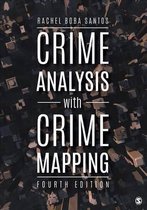
Crime analysis with crime mapping
4th edition by santos [CH 1-16]
1
,CRIME ANALYSIS WITH CRIME MAPPING (4THEDITION) CHAPTER 1: CRIME
ANALYSIS AND THE PROFESSION TEST BANK
MULTIPLE CHOICE
1) Crime analysts use qualitative data and methods
a. To develop forecasts for future crime events
b. To conduct statistics on frequency of crime
c. To examine nonnumerical data for the purpose of discovering underlying
meanings and patterns of relationships
d. To understand the correlational relationships between types of crime
Ans: C
Cognitive Domain: Comprehension
Answer Location: under the heading Crime Analysis Definition
Difficulty Level: Easy
2) A geographic information system (GIS) is all of the following EXCEPT:
a. A powerful software tool that allows the user to create any kind of geographic
representation
b. A set of computer-based tools that allows the user to modify, visualize, query,
and analyze geographic and tabular data
c. Similar to a spreadsheet or word processing program in that the software
provides a framework and templates for data collection, collation, and analysis
d. A unstructured collection of records or data that is stored in a computer so
that a crime analyst can consult it to answer queries
Ans: D
Cognitive Domain: Comprehension
Answer Location: under the heading Definitions of GIS and Crime Mapping
Difficulty Level: Medium
3) Crime mapping is
a. The process of using a geographic information system to conduct spatial
analysis of crime problems and other police-related issues
b. The discipline concerned with the development, use, application and influence of
information technologies
c. The study and practice of making maps
d. A system for capturing, storing, analyzing and managing data and associated
attributes which are spatially referenced to the earth
Ans: A
Cognitive Domain: Knowledge
Answer Location: under the heading Definitions of GIS and Crime Mapping
Difficulty Level: Easy
4) The history of crime analysis as a discipline begins with
a. The New York City Police Department in the early 1900s
b. Farmers and ranchers looking out for their livestock
2
, c. Professors Cin Cthe CSchool Cof CCartography
d. C CThe Cfirst Cmodern Cpolice Cforce Cin CLondon Cin Cthe Cearly C19th Ccentury
Ans: CD
Cognitive CDomain: CComprehension
Answer CLocation: Cunder Cthe Cheading CBeginnings Cof CCrime CAnalysis
Difficulty CLevel: CMedium
5) Which Cbrought Cabout Cincreased Cawareness Cof Cthe Cuse Cof Canalysis Cand
Cevaluation Cin C policing Cthroughout Cthe C1970s?
a. Violent CCrime CControl Cand CLaw CEnforcement CAct Cof C1994
b. C C1968 COmnibus CCrime CControl Cand CSafe CStreets CAct
c. 1975 CCrime CAnalysis Cand CEvaluation CAct
d. None Cof Cthe
Cabove C Ans: CB
Cognitive CDomain: CComprehension
Answer CLocation: Cunder Cthe Cheading CUnited CStates:1970 Cto C2000
Difficulty CLevel: CMedium
6) Which Cof Cthe Cfollowing Cdid CNOT Cinfluence Ccrime Canalysis Cin Cthe Cmid- Cto Clate C1970s,
a. Academics Cemphasizing Cthe Cimportance Cof Ccriminal Cevents Cvs.
Ccriminality Cof C individuals
b. The Cgeographic Canalysis Cof Ccrime
c. Commission Con CAccreditation Cfor CLaw CEnforcement CAgencies C(CALEA)
d. C CNew CYork CCity’s CCOMPSTAT
Ans: CD
Cognitive CDomain: CComprehension
Answer CLocation: Cunder Cthe Cheading CUnited CStates:1970 Cto C2000
Difficulty CLevel: CMedium
7) The CIACA Cis
a. The CInternational CAlliance Cof CCriminal CAnalysis
b. The CInterstate CAssociation Cof CCrime CAnalysis
c. C CThe CInternational CAssociation Cof CCrime CAnalysts
d. C C The CIntelligence Cand CCrime CAnalysis CAssociation
C Ans: CC
Cognitive CDomain: CKnowledge
Answer CLocation: Cunder Cthe Cheading CDefinition Cof CCrime CAnalysis
Difficulty CLevel: CEasy
8) Crime Cmapping Cbegan
a. With Cresearchers Cin Cthe C1970s Cwho Cemphasized Ccrime Cand Cplace
b. C With CEuropean Cresearchers Cwho Cexamined Cthe Clevels Cof Ccrime Cwithin
C different Cregions Cand Cthe Crelationship Cof Cthese Clevels Cto Csociological
Cfactors
c. In Cthe CLondon CMetropolitan CPolice CDepartment
d. In Cthe CUS Cin Cthe Cearly
C1900s C Ans: CB
3
, Cognitive CDomain: CComprehension
Answer CLocation: Cunder Cthe Cheading CBeginnings Cof CCrime CMapping
Difficulty CLevel: CMedium
9) The Cfollowing Cis Cone Cof Cthe Creasons Ccrime Cmapping Cstarted Clater Cin Cthe CUS
Cthan Cin C Europe.
a. The CUS Cdid Cnot Chave Cscholars Ccapable Cof Cconducting Ccrime Cmapping
b. C CThe CUS Cwas Ca Crelatively Cnew Ccountry Cand Creliable Cmaps Cwere Cnot
Creadily C available
c. Europe’s Ctechnology Cwas Cmuch Cmore Cadvanced Cearlier Cthan Cthe CUS
d. None Cof Cthe
Cabove C Ans: CB
Cognitive CDomain: CComprehension
Answer CLocation: Cunder Cthe Cheading CUnited CSates: C1900-1970
Difficulty CLevel: CMedium
10) Crime Cmapping Cwas Ca Cvery Cimportant Ccomponent Cof Cthe Cdevelopment Cof
Cwhich C criminology Ctheoretical Ctradition:
a. Criminal Canalysis Ctheory
b. C Social Cdisorganization Ctheory
c. Differential Cassociation Ctheory
d. Geographic Cinformation
Ctheory C Ans: CB
Cognitive CDomain: CComprehension
Answer CLocation: Cunder Cthe Cheading CUnited CStates: C1900-1970
Difficulty CLevel: CMedium
11) In Cthe C1970s, Cwhat Chad Ca Clarge Cimpact Con Cthe Cdevelopment Cof Ccrime Cmapping:
a. Significant Cimprovements Cin Cdata Cand Ctechnology
b. Significant Cgrant Cfunding
c. C C The Cshift Cof Cfocus Cfrom Cthe Ccriminal Cto Cthe Ccriminal Cevent
d. C C Problem-oriented Cpolicing
C Ans: CC
Cognitive CDomain: CAnalysis
Answer CLocation: Cunder Cthe Cheading CUnited CStates: C1970-2000
Difficulty CLevel: CHard
12) Crime Canalysts Ctoday Care Cconcerned Cwith Call CBUT Cthe Cfollowing:
a. Becoming Csworn Cmembers Cof Cthe Cpolice Cagency
b. Availability Cof Crelevant Ctraining Cand Ceducation
c. Availability Cof Cdata Cthat Care Cadequate Cin Cboth Cquantity Cand Cquality
d. Ability Cto Ccommunicate Cwith Cother Ccrime Canalysts Cin Cneighboring
Cjurisdictions C Ans: CA
Cognitive CDomain: CAnalysis
Answer CLocation: Cunder Cthe Cheading CUnited CStates: C1970-2000
Difficulty CLevel: CHard
4
4th edition by santos [CH 1-16]
1
,CRIME ANALYSIS WITH CRIME MAPPING (4THEDITION) CHAPTER 1: CRIME
ANALYSIS AND THE PROFESSION TEST BANK
MULTIPLE CHOICE
1) Crime analysts use qualitative data and methods
a. To develop forecasts for future crime events
b. To conduct statistics on frequency of crime
c. To examine nonnumerical data for the purpose of discovering underlying
meanings and patterns of relationships
d. To understand the correlational relationships between types of crime
Ans: C
Cognitive Domain: Comprehension
Answer Location: under the heading Crime Analysis Definition
Difficulty Level: Easy
2) A geographic information system (GIS) is all of the following EXCEPT:
a. A powerful software tool that allows the user to create any kind of geographic
representation
b. A set of computer-based tools that allows the user to modify, visualize, query,
and analyze geographic and tabular data
c. Similar to a spreadsheet or word processing program in that the software
provides a framework and templates for data collection, collation, and analysis
d. A unstructured collection of records or data that is stored in a computer so
that a crime analyst can consult it to answer queries
Ans: D
Cognitive Domain: Comprehension
Answer Location: under the heading Definitions of GIS and Crime Mapping
Difficulty Level: Medium
3) Crime mapping is
a. The process of using a geographic information system to conduct spatial
analysis of crime problems and other police-related issues
b. The discipline concerned with the development, use, application and influence of
information technologies
c. The study and practice of making maps
d. A system for capturing, storing, analyzing and managing data and associated
attributes which are spatially referenced to the earth
Ans: A
Cognitive Domain: Knowledge
Answer Location: under the heading Definitions of GIS and Crime Mapping
Difficulty Level: Easy
4) The history of crime analysis as a discipline begins with
a. The New York City Police Department in the early 1900s
b. Farmers and ranchers looking out for their livestock
2
, c. Professors Cin Cthe CSchool Cof CCartography
d. C CThe Cfirst Cmodern Cpolice Cforce Cin CLondon Cin Cthe Cearly C19th Ccentury
Ans: CD
Cognitive CDomain: CComprehension
Answer CLocation: Cunder Cthe Cheading CBeginnings Cof CCrime CAnalysis
Difficulty CLevel: CMedium
5) Which Cbrought Cabout Cincreased Cawareness Cof Cthe Cuse Cof Canalysis Cand
Cevaluation Cin C policing Cthroughout Cthe C1970s?
a. Violent CCrime CControl Cand CLaw CEnforcement CAct Cof C1994
b. C C1968 COmnibus CCrime CControl Cand CSafe CStreets CAct
c. 1975 CCrime CAnalysis Cand CEvaluation CAct
d. None Cof Cthe
Cabove C Ans: CB
Cognitive CDomain: CComprehension
Answer CLocation: Cunder Cthe Cheading CUnited CStates:1970 Cto C2000
Difficulty CLevel: CMedium
6) Which Cof Cthe Cfollowing Cdid CNOT Cinfluence Ccrime Canalysis Cin Cthe Cmid- Cto Clate C1970s,
a. Academics Cemphasizing Cthe Cimportance Cof Ccriminal Cevents Cvs.
Ccriminality Cof C individuals
b. The Cgeographic Canalysis Cof Ccrime
c. Commission Con CAccreditation Cfor CLaw CEnforcement CAgencies C(CALEA)
d. C CNew CYork CCity’s CCOMPSTAT
Ans: CD
Cognitive CDomain: CComprehension
Answer CLocation: Cunder Cthe Cheading CUnited CStates:1970 Cto C2000
Difficulty CLevel: CMedium
7) The CIACA Cis
a. The CInternational CAlliance Cof CCriminal CAnalysis
b. The CInterstate CAssociation Cof CCrime CAnalysis
c. C CThe CInternational CAssociation Cof CCrime CAnalysts
d. C C The CIntelligence Cand CCrime CAnalysis CAssociation
C Ans: CC
Cognitive CDomain: CKnowledge
Answer CLocation: Cunder Cthe Cheading CDefinition Cof CCrime CAnalysis
Difficulty CLevel: CEasy
8) Crime Cmapping Cbegan
a. With Cresearchers Cin Cthe C1970s Cwho Cemphasized Ccrime Cand Cplace
b. C With CEuropean Cresearchers Cwho Cexamined Cthe Clevels Cof Ccrime Cwithin
C different Cregions Cand Cthe Crelationship Cof Cthese Clevels Cto Csociological
Cfactors
c. In Cthe CLondon CMetropolitan CPolice CDepartment
d. In Cthe CUS Cin Cthe Cearly
C1900s C Ans: CB
3
, Cognitive CDomain: CComprehension
Answer CLocation: Cunder Cthe Cheading CBeginnings Cof CCrime CMapping
Difficulty CLevel: CMedium
9) The Cfollowing Cis Cone Cof Cthe Creasons Ccrime Cmapping Cstarted Clater Cin Cthe CUS
Cthan Cin C Europe.
a. The CUS Cdid Cnot Chave Cscholars Ccapable Cof Cconducting Ccrime Cmapping
b. C CThe CUS Cwas Ca Crelatively Cnew Ccountry Cand Creliable Cmaps Cwere Cnot
Creadily C available
c. Europe’s Ctechnology Cwas Cmuch Cmore Cadvanced Cearlier Cthan Cthe CUS
d. None Cof Cthe
Cabove C Ans: CB
Cognitive CDomain: CComprehension
Answer CLocation: Cunder Cthe Cheading CUnited CSates: C1900-1970
Difficulty CLevel: CMedium
10) Crime Cmapping Cwas Ca Cvery Cimportant Ccomponent Cof Cthe Cdevelopment Cof
Cwhich C criminology Ctheoretical Ctradition:
a. Criminal Canalysis Ctheory
b. C Social Cdisorganization Ctheory
c. Differential Cassociation Ctheory
d. Geographic Cinformation
Ctheory C Ans: CB
Cognitive CDomain: CComprehension
Answer CLocation: Cunder Cthe Cheading CUnited CStates: C1900-1970
Difficulty CLevel: CMedium
11) In Cthe C1970s, Cwhat Chad Ca Clarge Cimpact Con Cthe Cdevelopment Cof Ccrime Cmapping:
a. Significant Cimprovements Cin Cdata Cand Ctechnology
b. Significant Cgrant Cfunding
c. C C The Cshift Cof Cfocus Cfrom Cthe Ccriminal Cto Cthe Ccriminal Cevent
d. C C Problem-oriented Cpolicing
C Ans: CC
Cognitive CDomain: CAnalysis
Answer CLocation: Cunder Cthe Cheading CUnited CStates: C1970-2000
Difficulty CLevel: CHard
12) Crime Canalysts Ctoday Care Cconcerned Cwith Call CBUT Cthe Cfollowing:
a. Becoming Csworn Cmembers Cof Cthe Cpolice Cagency
b. Availability Cof Crelevant Ctraining Cand Ceducation
c. Availability Cof Cdata Cthat Care Cadequate Cin Cboth Cquantity Cand Cquality
d. Ability Cto Ccommunicate Cwith Cother Ccrime Canalysts Cin Cneighboring
Cjurisdictions C Ans: CA
Cognitive CDomain: CAnalysis
Answer CLocation: Cunder Cthe Cheading CUnited CStates: C1970-2000
Difficulty CLevel: CHard
4