Social Science Psychology Educational Psychology
FTCE: NavaEd PeD
Save
Students also studied
Flashcard sets Study guides
FTCE - Professional Education Exam... FTCE-School Psychology quiz
64 terms 89 terms 17 terms
Dtranmusic Preview Fresi101 Preview clare_littlefield
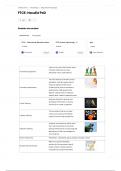
Informs instruction (exit tickets, show
of hands, checklists, journals,
Formative Assessment
anecdotal notes, observations)
The end measure of mastery of the
standards. Used for grades and to
measure teacher performance
Summative Assessment (midterm/final, district benchmark
assessments, state assessments,
teacher created tests or textbook
chapter tests, research paper/project).
Analyze, evaluate, interpret, and
synthesize information to reach a
critical thinking
conclusion or make a judgment.
Think outside of the box to draw
unique conclusions and develop
creative thinking
products with a fresh perspective.
Students look back and reflect upon
their learning process to promote
reflective thinking abstract thinking and to encourage the
application of learning strategies to
new situations.
Bloom's Taxonomy Remember, understand, apply, analyze, evaluate, create.
Wait time, specific feedback,
redirection (wrong answer given),
Questioning Techniques
probe (clues), increase question
complexity (not yes/no answers).
, Do best with images and graphic
organizers to make sense of new
visual learners
information.
Grasp concepts best through listening
and speaking situations (lectures,
auditory learners
podcasts, and group discussions).
Hands-on learning experiences.
kinesthetic learners
Used in cooperative learning
environments. Focuses on students
Kagan Structures working together to achieve a
common goal (small group, peer-
assisted, positive interdependence).
1.) Concept-based: Critical thinking approach focuses on a broad
idea vs. subject-specific (thematic, cross-curricular, or
multidisciplinary).
2.) Computer-based: Use of computers and software.
Thematic/Interdisciplinary Units
3.) Project-based: Student center inquiry-based model.
Investigate a subject over an extended period of time.
4.) Problem-based: Student centered model where learners are
given a problem and students must work out a solution.
Teacher reads a text aloud and
includes think-alouds (metacognition).
Modeled Reading (Read Aloud)
Students and teachers share in the
reading process.
1.) Whole Class: Teacher guides and
supports, pauses to ask students to
make predictions, points to key words,
Shared Reading and ask questions.
2.) Small Group/Partners: Interactive
activity where students and their peers
read a text together. One student
reads while peers follow along,
students discuss the story.
Small group, teacher-driven
instructional model designed to
provide differentiated teaching that
supports students in developing
Guided Reading proficiency. Students are following the
teacher's directions. Focuses on
students' specific needs and is
intended to progress students towards
reading independence.
FTCE: NavaEd PeD
Save
Students also studied
Flashcard sets Study guides
FTCE - Professional Education Exam... FTCE-School Psychology quiz
64 terms 89 terms 17 terms
Dtranmusic Preview Fresi101 Preview clare_littlefield
Informs instruction (exit tickets, show
of hands, checklists, journals,
Formative Assessment
anecdotal notes, observations)
The end measure of mastery of the
standards. Used for grades and to
measure teacher performance
Summative Assessment (midterm/final, district benchmark
assessments, state assessments,
teacher created tests or textbook
chapter tests, research paper/project).
Analyze, evaluate, interpret, and
synthesize information to reach a
critical thinking
conclusion or make a judgment.
Think outside of the box to draw
unique conclusions and develop
creative thinking
products with a fresh perspective.
Students look back and reflect upon
their learning process to promote
reflective thinking abstract thinking and to encourage the
application of learning strategies to
new situations.
Bloom's Taxonomy Remember, understand, apply, analyze, evaluate, create.
Wait time, specific feedback,
redirection (wrong answer given),
Questioning Techniques
probe (clues), increase question
complexity (not yes/no answers).
, Do best with images and graphic
organizers to make sense of new
visual learners
information.
Grasp concepts best through listening
and speaking situations (lectures,
auditory learners
podcasts, and group discussions).
Hands-on learning experiences.
kinesthetic learners
Used in cooperative learning
environments. Focuses on students
Kagan Structures working together to achieve a
common goal (small group, peer-
assisted, positive interdependence).
1.) Concept-based: Critical thinking approach focuses on a broad
idea vs. subject-specific (thematic, cross-curricular, or
multidisciplinary).
2.) Computer-based: Use of computers and software.
Thematic/Interdisciplinary Units
3.) Project-based: Student center inquiry-based model.
Investigate a subject over an extended period of time.
4.) Problem-based: Student centered model where learners are
given a problem and students must work out a solution.
Teacher reads a text aloud and
includes think-alouds (metacognition).
Modeled Reading (Read Aloud)
Students and teachers share in the
reading process.
1.) Whole Class: Teacher guides and
supports, pauses to ask students to
make predictions, points to key words,
Shared Reading and ask questions.
2.) Small Group/Partners: Interactive
activity where students and their peers
read a text together. One student
reads while peers follow along,
students discuss the story.
Small group, teacher-driven
instructional model designed to
provide differentiated teaching that
supports students in developing
Guided Reading proficiency. Students are following the
teacher's directions. Focuses on
students' specific needs and is
intended to progress students towards
reading independence.