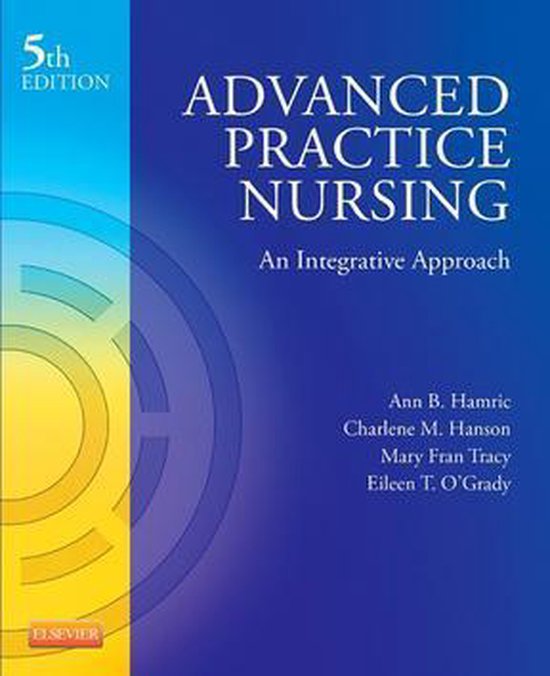
Advanced Practice Nursing : Essentials for Role Development 4th Edition
verified questions with 100% correct answers with comprehensive details
GRADE A+
Chapter 1 . Advanced Practice Nursing: Doing What Has to Be Done-Radicals, Renegades, andRebels
MULTIPLE CHOICE
1. The nurse manager of a pediatric clinic could confirm that the new nurse recognized the purpose
of the HEADSS Adolescent Risk Profile when the new nurse responds that it is used to assess for
needs related to
a. anticipatory guidance.
b. low-risk adolescents.
c. physical development.
d. sexual development.
ANS: A
The HEADSS Adolescent Risk Profile is a psychosocial assessment screening tool which assesses
home, education, activities, drugs, sex, and suicide for the purpose of identifying high-risk
adolescents and the need for anticipatory guidance. It is used to identify high-risk, not low-risk,
adolescents. Physical development is assessed with anthropometric data. Sexual development is
assessed using physical examination.
REF: 6 OBJ: NCLEX Client Needs Category: Health Promotion and Maintenance
2. The nurse preparing a teaching plan for a preschooler knows that, according to Piaget, the
expected stage of development for a preschooler is
a. concrete operational.
b. formal operational.
c. preoperational.
d. sensorimotor.
ANS: C
,The expected stage of development for a preschooler (3 to 4 years old) is preoperational. Concrete
operational describes the thinking of a school-age child (7 to 11 years old). Formal
operationaldescribes the thinking of an individual after about 11 years of age. Sensorimotor
describes theearliest pattern of thinking from birth to 2 years old.
REF: 5 OBJ: NCLEX Client Needs Category: Health Promotion and Maintenance
3. The school nurse talking with a high school class about the difference between growth and
development would best describe growth as
a. processes by which early cells specialize.
b. psychosocial and cognitive changes.
c. qualitative changes associated with aging.
d. quantitative changes in size or weight.
ANS: D
Growth is a quantitative change in which an increase in cell number and size results in an increase
in overall size or weight of the body or any of its parts. The processes by which early cells
specialize are referred to asdifferentiation. Psychosocial and cognitive changes are referred to as
development. Qualitative changes associated with aging are referred to as maturation.
REF: 2 OBJ: NCLEX Client Needs Category: Health Promotion and Maintenance
4. The most appropriate response of the nurse when a mother asks what the Denver II does is that it
a. can diagnose developmental disabilities.
b. identifies a need for physical therapy.
c. is a developmental screening tool.
d. provides a framework for health teaching.
ANS: C
The Denver II is the most commonly used measure of developmental status used by health care
professionals; it is a screening tool. Screening tools do not provide a diagnosis. Diagnosis requires a
thorough neurodevelopment history and physical examination. Developmental delay, which is
suggested by screening, is a symptom, not a diagnosis. The need for any therapy would be
,identified dwith da dcomprehensive devaluation, dnot da dscreening dtool. dSome dproviders duse dthe
dDenver dII das da dframework dfor dteaching dabout dexpected ddevelopment, dbut dthis dis dnot dthe
dprimary dpurpose dof dthe dtool.
REF: d4 dOBJ: dNCLEX dClient dNeeds dCategory: dHealth dPromotion dand dMaintenance
5. To dplan dearly dintervention dand dcare dfor dan dinfant dwith dDown dsyndrome, dthe dnurse
dconsidersdknowledge dof dother dphysical ddevelopment d exemplars dsuch das
a. cerebral dpalsy.
b. failure dto dthrive.
c. fetal dalcohol dsyndrome.
d. hydrocephaly.
ANS: dD
Hydrocephaly dis dalso da dphysical ddevelopment dexemplar. dCerebral dpalsy dis dan dexemplar dof
dadaptiveddevelopmental ddelay. dFailure dto dthrive dis dan dexemplar dof dsocial/emotional
ddevelopmental ddelay.
Fetal dalcohol dsyndrome dis dan dexemplar dof dcognitive ddevelopmental ddelay.
REF: d9 dOBJ: dNCLEX dClient dNeeds dCategory: dHealth dPromotion dand dMaintenance
6. To dplan dearly dintervention dand dcare dfor da dchild dwith da ddevelopmental ddelay, dthe
dnurse d woulddconsider dknowledge dof dthe dconcepts dmost dsignificantly dimpacted dby
ddevelopment, dincluding
a. culture.
b. environment.
c. functional dstatus.
d. nutrition.
ANS: dC
Function dis done dof dthe dconcepts dmost dsignificantly dimpacted dby ddevelopment. dOthers dinclude
dsensory-perceptual, dcognition, dmobility, dreproduction, dand dsexuality. dKnowledge dof dthese
dconcepts dcan dhelp dthe dnurse danticipate dareas dthat dneed dto dbe daddressed. dCulture dis da
dconcept dthat dis dconsidered dto dsignificantly daffect ddevelopment; dthe ddifference dis dthe
dconcepts dthat daffect ddevelopment dare dthose dthat drepresent dmajor dinfluencing dfactors d(causes),
, dhence ddetermination dof ddevelopment dand dwould dbedthe dfocus dof dpreventive dinterventions.
dEnvironment dis dconsidered dto dsignificantly daffect ddevelopment. d Nutrition dis dconsidered dto
dsignificantly daffect d development.
REF: d1 dOBJ: dNCLEX dClient dNeeds dCategory: dHealth dPromotion dand dMaintenance
7. A dmother dcomplains dto dthe dnurse dat dthe dpediatric dclinic dthat dher d4-year-old dchild
dalways dtalks dto dher dtoys dand dmakes dup dstories. dThe dmother dwants dher dchild dto dhave da
dpsychologic devaluation. dThednurses dbest d initial dresponse d is dto
a. refer dthe dchild dto da dpsychologist.
b. explain dthat dplaying dmake dbelieve dwith ddolls dand dpeople dis dnormal dat dthis dage.
c. complete da ddevelopmental dscreening.
d. separate dthe dchild dfrom dthe dmother dto dget dmore dinformation.
ANS: dB
By dthe dend dof dthe dfourth dyear, dit dis dexpected dthat da dchild dwill dengage din dfantasy, dso dthis dis
dnormal dat dthis dage. dA dreferral dto da dpsychologist dwould dbe dpremature dbased donly don dthe
dcomplaint dof dthe dmother. dCompleting da ddevelopmental dscreening dwould dbe dvery dappropriate
dbut dnot dthe dinitial dresponse. dThe dnurse dwould dcertainly dwant dto dget dmore dinformation, dbut
dseparating dthe dchild dfrom dthedmother d is d not dnecessary dat d this dtime.
REF: d5 dOBJ: dNCLEX dClient dNeeds dCategory: dHealth dPromotion dand dMaintenance
8. A d17-year-old dgirl dis dhospitalized dfor dappendicitis, dand dher dmother dasks dthe dnurse dwhy
dshe dis dso dneedy dand dacting dlike da dchild. dThe dbest d response dof dthe dnurse dis d that din dthe
dhospital, dadolescents
a. have dseparation danxiety.
b. rebel dagainst drules.
c. regress dbecause dof dstress.
d. want dto dknow deverything.
ANS: dC
Regression dto dan dearlier dstage dof ddevelopment dis da dcommon dresponse dto dstress. dSeparation
danxiety disdmost dcommon din dinfants dand dtoddlers. dRebellion dagainst dhospital drules dis dusually
dnot dan dissue dif dthe dadolescent dunderstands dthe drules dand dwould dnot dcreate dchildlike
verified questions with 100% correct answers with comprehensive details
GRADE A+
Chapter 1 . Advanced Practice Nursing: Doing What Has to Be Done-Radicals, Renegades, andRebels
MULTIPLE CHOICE
1. The nurse manager of a pediatric clinic could confirm that the new nurse recognized the purpose
of the HEADSS Adolescent Risk Profile when the new nurse responds that it is used to assess for
needs related to
a. anticipatory guidance.
b. low-risk adolescents.
c. physical development.
d. sexual development.
ANS: A
The HEADSS Adolescent Risk Profile is a psychosocial assessment screening tool which assesses
home, education, activities, drugs, sex, and suicide for the purpose of identifying high-risk
adolescents and the need for anticipatory guidance. It is used to identify high-risk, not low-risk,
adolescents. Physical development is assessed with anthropometric data. Sexual development is
assessed using physical examination.
REF: 6 OBJ: NCLEX Client Needs Category: Health Promotion and Maintenance
2. The nurse preparing a teaching plan for a preschooler knows that, according to Piaget, the
expected stage of development for a preschooler is
a. concrete operational.
b. formal operational.
c. preoperational.
d. sensorimotor.
ANS: C
,The expected stage of development for a preschooler (3 to 4 years old) is preoperational. Concrete
operational describes the thinking of a school-age child (7 to 11 years old). Formal
operationaldescribes the thinking of an individual after about 11 years of age. Sensorimotor
describes theearliest pattern of thinking from birth to 2 years old.
REF: 5 OBJ: NCLEX Client Needs Category: Health Promotion and Maintenance
3. The school nurse talking with a high school class about the difference between growth and
development would best describe growth as
a. processes by which early cells specialize.
b. psychosocial and cognitive changes.
c. qualitative changes associated with aging.
d. quantitative changes in size or weight.
ANS: D
Growth is a quantitative change in which an increase in cell number and size results in an increase
in overall size or weight of the body or any of its parts. The processes by which early cells
specialize are referred to asdifferentiation. Psychosocial and cognitive changes are referred to as
development. Qualitative changes associated with aging are referred to as maturation.
REF: 2 OBJ: NCLEX Client Needs Category: Health Promotion and Maintenance
4. The most appropriate response of the nurse when a mother asks what the Denver II does is that it
a. can diagnose developmental disabilities.
b. identifies a need for physical therapy.
c. is a developmental screening tool.
d. provides a framework for health teaching.
ANS: C
The Denver II is the most commonly used measure of developmental status used by health care
professionals; it is a screening tool. Screening tools do not provide a diagnosis. Diagnosis requires a
thorough neurodevelopment history and physical examination. Developmental delay, which is
suggested by screening, is a symptom, not a diagnosis. The need for any therapy would be
,identified dwith da dcomprehensive devaluation, dnot da dscreening dtool. dSome dproviders duse dthe
dDenver dII das da dframework dfor dteaching dabout dexpected ddevelopment, dbut dthis dis dnot dthe
dprimary dpurpose dof dthe dtool.
REF: d4 dOBJ: dNCLEX dClient dNeeds dCategory: dHealth dPromotion dand dMaintenance
5. To dplan dearly dintervention dand dcare dfor dan dinfant dwith dDown dsyndrome, dthe dnurse
dconsidersdknowledge dof dother dphysical ddevelopment d exemplars dsuch das
a. cerebral dpalsy.
b. failure dto dthrive.
c. fetal dalcohol dsyndrome.
d. hydrocephaly.
ANS: dD
Hydrocephaly dis dalso da dphysical ddevelopment dexemplar. dCerebral dpalsy dis dan dexemplar dof
dadaptiveddevelopmental ddelay. dFailure dto dthrive dis dan dexemplar dof dsocial/emotional
ddevelopmental ddelay.
Fetal dalcohol dsyndrome dis dan dexemplar dof dcognitive ddevelopmental ddelay.
REF: d9 dOBJ: dNCLEX dClient dNeeds dCategory: dHealth dPromotion dand dMaintenance
6. To dplan dearly dintervention dand dcare dfor da dchild dwith da ddevelopmental ddelay, dthe
dnurse d woulddconsider dknowledge dof dthe dconcepts dmost dsignificantly dimpacted dby
ddevelopment, dincluding
a. culture.
b. environment.
c. functional dstatus.
d. nutrition.
ANS: dC
Function dis done dof dthe dconcepts dmost dsignificantly dimpacted dby ddevelopment. dOthers dinclude
dsensory-perceptual, dcognition, dmobility, dreproduction, dand dsexuality. dKnowledge dof dthese
dconcepts dcan dhelp dthe dnurse danticipate dareas dthat dneed dto dbe daddressed. dCulture dis da
dconcept dthat dis dconsidered dto dsignificantly daffect ddevelopment; dthe ddifference dis dthe
dconcepts dthat daffect ddevelopment dare dthose dthat drepresent dmajor dinfluencing dfactors d(causes),
, dhence ddetermination dof ddevelopment dand dwould dbedthe dfocus dof dpreventive dinterventions.
dEnvironment dis dconsidered dto dsignificantly daffect ddevelopment. d Nutrition dis dconsidered dto
dsignificantly daffect d development.
REF: d1 dOBJ: dNCLEX dClient dNeeds dCategory: dHealth dPromotion dand dMaintenance
7. A dmother dcomplains dto dthe dnurse dat dthe dpediatric dclinic dthat dher d4-year-old dchild
dalways dtalks dto dher dtoys dand dmakes dup dstories. dThe dmother dwants dher dchild dto dhave da
dpsychologic devaluation. dThednurses dbest d initial dresponse d is dto
a. refer dthe dchild dto da dpsychologist.
b. explain dthat dplaying dmake dbelieve dwith ddolls dand dpeople dis dnormal dat dthis dage.
c. complete da ddevelopmental dscreening.
d. separate dthe dchild dfrom dthe dmother dto dget dmore dinformation.
ANS: dB
By dthe dend dof dthe dfourth dyear, dit dis dexpected dthat da dchild dwill dengage din dfantasy, dso dthis dis
dnormal dat dthis dage. dA dreferral dto da dpsychologist dwould dbe dpremature dbased donly don dthe
dcomplaint dof dthe dmother. dCompleting da ddevelopmental dscreening dwould dbe dvery dappropriate
dbut dnot dthe dinitial dresponse. dThe dnurse dwould dcertainly dwant dto dget dmore dinformation, dbut
dseparating dthe dchild dfrom dthedmother d is d not dnecessary dat d this dtime.
REF: d5 dOBJ: dNCLEX dClient dNeeds dCategory: dHealth dPromotion dand dMaintenance
8. A d17-year-old dgirl dis dhospitalized dfor dappendicitis, dand dher dmother dasks dthe dnurse dwhy
dshe dis dso dneedy dand dacting dlike da dchild. dThe dbest d response dof dthe dnurse dis d that din dthe
dhospital, dadolescents
a. have dseparation danxiety.
b. rebel dagainst drules.
c. regress dbecause dof dstress.
d. want dto dknow deverything.
ANS: dC
Regression dto dan dearlier dstage dof ddevelopment dis da dcommon dresponse dto dstress. dSeparation
danxiety disdmost dcommon din dinfants dand dtoddlers. dRebellion dagainst dhospital drules dis dusually
dnot dan dissue dif dthe dadolescent dunderstands dthe drules dand dwould dnot dcreate dchildlike