Escrito por estudiantes que aprobaron Inmediatamente disponible después del pago Leer en línea o como PDF ¿Documento equivocado? Cámbialo gratis 4,6 TrustPilot
logo-home
Examen

Psychology Midterm Assignment 2025

Puntuación
-
Vendido
-
Páginas
4
Grado
A+
Subido en
21-06-2025
Escrito en
2024/2025

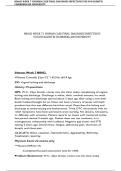
Erikson's Main Theory - -development is a series of crises, influenced by inherited social drives as well as primitive biological drives, eight psychological stages, each associated with a different crisis that needs to be resolved, describe development (not how development takes place) Erik Erikson - -German with Danish parents, trained as an artist and moved to Vienna, studied psychoanalysis with Freud's daughter, development crises theory Newborn Crisis - -basic trust verses mistrust, is my social world supportive and predictable, infants need to know their basic needs will be met, unavoidable sense of abandonment and hunger First Psychological Strength - -hope Consequences of Newborn Crisis - -if a sense of hope or trust isn't established, later in life these individuals will have trouble trusting and developing social ties, risk of addiction Toddler Crisis - -age 1-3, autonomy verses shame and doubt, can I do it by myself, gains in muscular maturation, locomotion, and verbalization allow children to believe they can do it themselves, Goal for Toddler stage - -gain a sense of self control, self-confidence, and free will Consequences of Toddler Crises - -if over controlled, the child will have trouble gaining a sense of self control, which can cause a sense of doubt or shame, can lead to either compulsive compliance or impulsive defiance, later in like can have excessive worrying and having trouble receiving criticism from others Preschool Crisis - -ages 3-6 (play age), initiative vs. guilt, am I good or bad, child begins to comprehend his expected role in the adult world and plays out roles, develops a sense of initiative and development of a conscious, sense of guilt over goals contemplated and acts done, initiated or merely fantasized Goal of Preschool Crisis - -develop courage, envision tangible goals, guided by conscience, not paralyzed by guilt and fear of punishment School Age Crisis - -ages 6-12, school begins to replace play, danger of this stage is feeling inadequate or incompetent, which may discourage them from further learning Goal of School Age Crisis - -develop a sense of competence avoiding a sense of inferiority Psychology Psychology Adolescence Crises - -identity verses role identity confusion, as I shift from the judgement of my parents to the judgement of my peers, I ask "Who am I and how will I spend my life?", begin to see themselves as part of the world outside of their family, tension with parents, want to be independent but still need support from their parents, struggle to establish a sense of individual identity Possibilities of an Adolescent - -passively accept the roles defined by their parents, can experiment with several roles, or delay resolving the identity crises Personal Fable - -youths perceive they are special and what applies for everyone else is not true for them, supports an optimistic look on life but can lead to unhealthy risk-taking behaviors Young Adulthood Crises - -intimacy verse isolation, will I find someone to share my feelings, my love, my life, advantages of solitary life (no need to make sacrifices) and the rewards accompanying loving relationships Intimacy - -the capacity to make a full commitment- sexual, emotional, and moral- to another person, comes with sacrifice, failure to achieve intimacy leads to a lifelong sense of isolation even if surrounded by others Middle Adulthood Crises - -generativity verses stagnation, will I succeed in life, both as a parent and with my career, forced to make a mid-life transition, can you accept life as it is, can lead to either generatively or stagnation Generativity - -a sense of contributing to the next generation Stagnation - -a sense of boredom and meaninglessness Late Life Crises - -ego integrity verses despair, was my life meaningful or were there missed opportunities, looking back on your life, anticipating death will you be able to maintain a sense of dignity, may lead to despair, a helpless and bitter sense that life has been incomplete and unfair Early Attachment - -a long term feeling of closeness or an emotional bond between people, such as child and caregiver 1950's early attachment theory - -early attachment came about through caregiver (usually a mother) filling basic biological needs such as feeding, the quality of this attachment would affect social relationships later in life Contact Comfort - -comfortable skin sensations, were more important than feeding in the jokey experiment Psychology Psychology Basic Premise of Attachment Theory - -infants who develop one or more good attachments have a sense of security and safety, return to caregivers when distressed but explore the world, attachments being in infancy, those without strong attachments have trouble developing close relationships as adults, development of attachment does not require constant attentions Strange Situation Test - -evaluate relationships between child and mother, child and father, child and grandparent, or other relationships, quality of one relationship predicts the quality of other relationships, doesn't work after 18 months because children aren't distressed by a stranger's presence, children don't fit neatly into one category Temperament - -the social and emotional dispositions or tendencies to respond vigorously, nervously, or quietly to new experiences, app

Mostrar más Leer menos
Institución
Florida Psychology
Grado
Florida Psychology

Vista previa del contenido

Psychology


Psychology Midterm Assignment 2025

Erikson's Main Theory - -development is a series of crises, influenced by inherited social
drives as well as primitive biological drives, eight psychological stages, each associated
with a different crisis that needs to be resolved, describe development (not how
development takes place)

Erik Erikson - -German with Danish parents, trained as an artist and moved to Vienna,
studied psychoanalysis with Freud's daughter, development crises theory

Newborn Crisis - -basic trust verses mistrust, is my social world supportive and
predictable, infants need to know their basic needs will be met, unavoidable sense of
abandonment and hunger

First Psychological Strength - -hope

Consequences of Newborn Crisis - -if a sense of hope or trust isn't established, later in
life these individuals will have trouble trusting and developing social ties, risk of
addiction

Toddler Crisis - -age 1-3, autonomy verses shame and doubt, can I do it by myself,
gains in muscular maturation, locomotion, and verbalization allow children to believe
they can do it themselves,

Goal for Toddler stage - -gain a sense of self control, self-confidence, and free will

Consequences of Toddler Crises - -if over controlled, the child will have trouble gaining
a sense of self control, which can cause a sense of doubt or shame, can lead to either
compulsive compliance or impulsive defiance, later in like can have excessive worrying
and having trouble receiving criticism from others

Preschool Crisis - -ages 3-6 (play age), initiative vs. guilt, am I good or bad, child begins
to comprehend his expected role in the adult world and plays out roles, develops a
sense of initiative and development of a conscious, sense of guilt over goals
contemplated and acts done, initiated or merely fantasized

Goal of Preschool Crisis - -develop courage, envision tangible goals, guided by
conscience, not paralyzed by guilt and fear of punishment

School Age Crisis - -ages 6-12, school begins to replace play, danger of this stage is
feeling inadequate or incompetent, which may discourage them from further learning

Goal of School Age Crisis - -develop a sense of competence avoiding a sense of
inferiority

Psychology
Escuela, estudio y materia

Institución
Florida Psychology
Grado
Florida Psychology

Información del documento

Subido en
21 de junio de 2025
Número de páginas
4
Escrito en
2024/2025
Tipo
Examen
Contiene
Preguntas y respuestas

Temas

$12.49
Accede al documento completo:

¿Documento equivocado? Cámbialo gratis Dentro de los 14 días posteriores a la compra y antes de descargarlo, puedes elegir otro documento. Puedes gastar el importe de nuevo.
Escrito por estudiantes que aprobaron
Inmediatamente disponible después del pago
Leer en línea o como PDF

Conoce al vendedor
Seller avatar
AlexScorer
4.0
(1)

Conoce al vendedor

Seller avatar
AlexScorer Chamberlain College Of Nursing
Seguir Necesitas iniciar sesión para seguir a otros usuarios o asignaturas
Vendido
7
Miembro desde
1 año
Número de seguidores
0
Documentos
1729
Última venta
2 semanas hace
Best Scorers Review Guide

Hesitate not to get 100% Recent updated and Verified Documents .Total Guarantee to success

4.0

1 reseñas

5
0
4
1
3
0
2
0
1
0

Documentos populares

Recientemente visto por ti

Por qué los estudiantes eligen Stuvia

Creado por compañeros estudiantes, verificado por reseñas

Calidad en la que puedes confiar: escrito por estudiantes que aprobaron y evaluado por otros que han usado estos resúmenes.

¿No estás satisfecho? Elige otro documento

¡No te preocupes! Puedes elegir directamente otro documento que se ajuste mejor a lo que buscas.

Paga como quieras, empieza a estudiar al instante

Sin suscripción, sin compromisos. Paga como estés acostumbrado con tarjeta de crédito y descarga tu documento PDF inmediatamente.

Student with book image

“Comprado, descargado y aprobado. Así de fácil puede ser.”

Alisha Student

Preguntas frecuentes