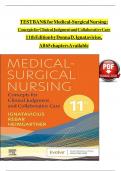
TEST BANK for Medical-Surgical Nursing:
g,j g,j g,j g,j
Concepts for Clinical Judgment and Collaborative Care
g,j g,j g,j g,j g,j g,j g,j g,j
11th Edition by Donna D. Ignatavicius,
g,j g,j g,j g,j g,j g,j
All 65 chapters Available
g,j g,j g,j g,j
,Contents
1. Overview of Professional Nursing Concepts for Medical-Surgical Nursing
g,j g,j g,j g,j g,j g,j g,j g,j
2. Clinical Judgment and Systems Thinking
g,j g,j g,j g,j g,j
3. Overview of Health Concepts for Medical-Surgical Nursing
g,j g,j g,j g,j g,j g,j g,j
4. Concepts of Care for Older Adults
g,j g,j g,j g,j g,j g,j
5. Concepts of Care for Transgender and Non-Binary Patients
g,j g,j g,j g,j g,j g,j g,j g,j
6. Assessment and Concepts of Care for Patients with Pain
g,j g,j g,j g,j g,j g,j g,j g,j g,j
7. Concepts of Rehabilitation for Chronic and Disabling Health Conditions
g,j g,j g,j g,j g,j g,j g,j g,j g,j
8. Concepts of Care for Patients at End-of-Life
g,j g,j g,j g,j g,j g,j g,j
9. Concepts of Care for Perioperative Patients
g,j g,j g,j g,j g,j g,j
10. Concepts of Emergency and Trauma Nursing
g,j g,j g,j g,j g,j g,j
11. Concepts of Care for Patients with Common Environmental Emergencies
g,j g,j g,j g,j g,j g,j g,j g,j g,j
12. Concepts of Disaster Preparedness
g,j g,j g,j g,j
13. Concepts of Fluid and Electrolyte Balance and Imbalance
g,j g,j g,j g,j g,j g,j g,j g,j
14. Concepts of Acid-Base Balance and Imbalance
g,j g,j g,j g,j g,j g,j
15. Concepts of Infusion Therapy
g,j g,j g,j g,j
16. Concepts of Inflammation and Immunity
g,j g,j g,j g,j g,j
17. Concepts of Care for Patients with Allergy and Immunity Conditions
g,j g,j g,j g,j g,j g,j g,j g,j g,j g,j
18. Concepts of Care for Patients with Cancer
g,j g,j g,j g,j g,j g,j g,j
19. Concepts of Care for Patients with Infection
g,j g,j g,j g,j g,j g,j g,j
20. Assessment of the Skin, Hair, and Nails
g,j g,j g,j g,j g,j g,j g,j
21. Concepts of Care for Patients with Conditions of the Skin, Hair, and Nails
g,j g,j g,j g,j g,j g,j g,j g,j g,j g,j g,j g,j g,j
22. Assessment of the Respiratory System
g,j g,j g,j g,j g,j
23. Concepts of Care for Patients with Noninfectious Upper Respiratory Conditions
g,j g,j g,j g,j g,j g,j g,j g,j g,j g,j
24. Concepts of Care for Patients with Noninfectious Lower Respiratory Conditions
g,j g,j g,j g,j g,j g,j g,j g,j g,j g,j
25. Concepts of Care for Patients with Infectious Respiratory Conditions
g,j g,j g,j g,j g,j g,j g,j g,j g,j
26. Critical Care of Patients with Respiratory Emergencies
g,j g,j g,j g,j g,j g,j g,j
27. Assessment of the Cardiovascular System
g,j g,j g,j g,j g,j
28. Concepts of Care for Patients with Dysrhythmias
g,j g,j g,j g,j g,j g,j g,j
29. Concepts of Care for Patients with Cardiac Conditions
g,j g,j g,j g,j g,j g,j g,j g,j
30. Concepts of Care for Patients with Vascular Conditions
g,j g,j g,j g,j g,j g,j g,j g,j
31. Critical Care of Patients with Shock
g,j g,j g,j g,j g,j g,j
32. Critical Care of Patients with Acute Coronary Syndromes
g,j g,j g,j g,j g,j g,j g,j g,j
33. Assessment of the Hematologic System
g,j g,j g,j g,j g,j
34. Concepts of Care for Patients with Hematologic Conditions
g,j g,j g,j g,j g,j g,j g,j g,j
35. Assessment of the Nervous System
g,j g,j g,j g,j g,j
36. Concepts of Care for Patients with Conditions of the Central Nervous System: The
g,j g,j g,j g,j g,j g,j g,j g,j g,j g,j g,j g,j g,j
Brain
g,j
37. Concepts of Care for Patients with Conditions of the Central Nervous System: The
g,j g,j g,j g,j g,j g,j g,j g,j g,j g,j g,j g,j g,j
Spinal Cord
g,j g,j
38. Critical Care of Patients with Neurologic Emergencies
g,j g,j g,j g,j g,j g,j g,j
39. Assessment and Concepts of Care for Patients with Eye and Vision Conditions
g,j g,j g,j g,j g,j g,j g,j g,j g,j g,j g,j g,j
,40. Assessment and Concepts of Care for Patients with Ear and Hearing Conditions
g,j g,j g,j g,j g,j g,j g,j g,j g,j g,j g,j g,j
41. Assessment of the Musculoskeletal System
g,j g,j g,j g,j g,j
42. Concepts of Care for Patients with Musculoskeletal Conditions
g,j g,j g,j g,j g,j g,j g,j g,j
43. Concepts of Care for Patients with Arthritis and Total Joint Arthroplasty
g,j g,j g,j g,j g,j g,j g,j g,j g,j g,j g,j
44. Concepts of Care for Patients with Musculoskeletal Trauma
g,j g,j g,j g,j g,j g,j g,j g,j
45. Assessment of the Gastrointestinal System
g,j g,j g,j g,j g,j
46. Concepts of Care for Patients with Oral Cavity and Esophageal Conditions
g,j g,j g,j g,j g,j g,j g,j g,j g,j g,j g,j
47. Concepts of Care for Patients with Stomach Conditions
g,j g,j g,j g,j g,j g,j g,j g,j
48. Concepts of Care for Patients with Noninflammatory Intestinal Conditions
g,j g,j g,j g,j g,j g,j g,j g,j g,j
49. Concepts of Care for Patients with Inflammatory Intestinal Conditions
g,j g,j g,j g,j g,j g,j g,j g,j g,j
50. Concepts of Care for Patients with Liver Conditions
g,j g,j g,j g,j g,j g,j g,j g,j
51. Concepts of Care for Patients with Conditions of the Biliary System and Pancreas
g,j g,j g,j g,j g,j g,j g,j g,j g,j g,j g,j g,j g,j
52. Concepts of Care for Patients with Malnutrition: Undernutrition and Obesity
g,j g,j g,j g,j g,j g,j g,j g,j g,j g,j
53. Assessment of the Endocrine System
g,j g,j g,j g,j g,j
54. Concepts of Care for Patients with Pituitary and Adrenal Gland Conditions
g,j g,j g,j g,j g,j g,j g,j g,j g,j g,j g,j
55. Concepts of Care for Patients with Conditions of the Thyroid and Parathyroid Glands
g,j g,j g,j g,j g,j g,j g,j g,j g,j g,j g,j g,j g,j
56. Concepts of Care for Patients with Diabetes Mellitus
g,j g,j g,j g,j g,j g,j g,j g,j
57. Assessment of the Renal/Urinary System
g,j g,j g,j g,j g,j
58. Concepts of Care for Patients with Urinary Conditions
g,j g,j g,j g,j g,j g,j g,j g,j
59. Concepts of Care for Patients with Kidney Conditions
g,j g,j g,j g,j g,j g,j g,j g,j
60. Concepts of Care for Patients with Acute Kidney Injury and Chronic Kidney Disease
g,j g,j g,j g,j g,j g,j g,j g,j g,j g,j g,j g,j g,j
61. Assessment of the Reproductive System
g,j g,j g,j g,j g,j
62. Concepts of Care for Patients with Breast Conditions
g,j g,j g,j g,j g,j g,j g,j g,j
63. Concepts of Care for Patients with Gynecologic Conditions
g,j g,j g,j g,j g,j g,j g,j g,j
64. Concepts of Care for Patients with Male Reproductive Conditions
g,j g,j g,j g,j g,j g,j g,j g,j g,j
65. Concepts of Care for Patients with Sexually Transmitted Infections
g,j g,j g,j g,j g,j g,j g,j g,j g,j
, Chapter 01: Overview of Professional Nursing Concepts for Medical-Surgical Nursing
g,j g,j g,j g,j g,j g,j g,j g,j g,j
g,j Ignatavicius: Medical-Surgical Nursing, 11th Edition g,j g,j g,j g,j
MULTIPLECHOICE g,j
1. A new nurse is working with a preceptor on a medical-surgical unit. The preceptor advises the new
g,j g,j g,j g,j g,j g,j g,j g,j g,j g,j g,j g,j g,j g,j g,j g,j
g,j nurse that which is the priority when working as a professional nurse?
g,j g,j g,j g,j g,j g,j g,j g,j g,j g,j g,j
a. Attendingto holistic client needs g,j g,j g,j g,j
b. Ensuring client safety g,j g,j
c. Not makingmedication errors g,j g,j g,j
d. Providingclient-focused care g,j g,j
CORRECT ANSWER: B g,j g , j
All actions are appropriate for the professional nurse. However, ensuring client safetyisthe priority.
g,j g,j g,j g,j g,j g,j g,j g,j g,j g,j g,j g,j g,j g,j
g,j Health care errors have been widelyreported for 25 years, many of which result in client injury,
g,j g,j g,j g,j g,j g,j g,j g,j g,j g,j g,j g,j g,j g,j g,j g,j
g,j death, and increased health care costs. There are several national and international organizations
g,j g,j g,j g,j g,j g,j g,j g,j g,j g,j g,j g,j
g,j that have either recommended or mandated safety initiatives.
g,j g,j g,j g,j g,j g,j g,j
Every nurse has the responsibility to guard the client’s safety. The other actions are important for
g,j g,j g,j g,j g,j g,j g,j g,j g,j g,j g,j g,j g,j g,j g,j
quality nursing, but they are not as vital as providing safety. Not making medication errors does
g,j g,j g,j g,j g,j g,j g,j g,j g,j g,j g,j g,j g,j g,j g,j g,j
g,j provide safety, but is too narrow in scope to be the best answer. g,j g,j g,j g,j g,j g,j g,j g,j g,j g,j g,j g,j
DIF: Understanding TOP: Integrated Process:NursingProcess:Intervention g , j g,j g,j g,j g,j
g,j KEY: Client safety g,j g,j
MSC: ClientNeeds Category: Safeand Effective CareEnvironment: SafetyandInfection Control
g , j g,j g,j g,j g,j g,j g,j g,j g,j g,j g,j g,j
2. A nurse is orientinga new client and familyto the medical-surgical unit. What information does
g,j g,j g,j g,j g,j g,j g,j g,j g,j g,j g,j g,j g,j g,j g,j
g,j the nurse provide to best help the client promote his or her own safety?
g,j g,j g,j g,j g,j g,j g,j g,j g,j g,j g,j g,j g,j
a. Encouragethe client andfamilyto be active partners. g,j g,j g,j g,j g,j g,j g,j g,j
b. Havethe client monitor hand hygiene in caregivers. g,j g,j g,j g,j g,j g,j g,j
c. Offer the familythe opportunityto staywith the client. g,j g,j g,j g,j g,j g, j g,j g ,j g,j
d. Tellthe client to always wear his or her armband. g,j g,j g,j g,j g,j g,j g,j g,j g,j
CORRECT ANSWER: A g,j g , j
Each action could be important for the client or familyto perform. However, encouraging the client
g,j g,j g,j g,j g,j g,j g,j g,j g,j g,j g,j g,j g,j g,j g,j
g,j to be active in his or her health care as a safety partner is the most critical. The other actions are very
g,j g,j g,j g,j g,j g,j g,j g,j g,j g,j g,j g,j g,j g,j g,j g,j g,j g ,j g,j g,j g,j
limited in scope and do not provide the broad protection that being activeand involved does.
g,j g,j g,j g,j g,j g,j g,j g,j g,j g,j g,j g,j g,j g,j g,j g,j
DIF: Understanding TOP:IntegratedProcess:Teaching/Learning g,j g,j g,j
g,j g,j g,j g,j
Concepts for Clinical Judgment and Collaborative Care
g,j g,j g,j g,j g,j g,j g,j g,j
11th Edition by Donna D. Ignatavicius,
g,j g,j g,j g,j g,j g,j
All 65 chapters Available
g,j g,j g,j g,j
,Contents
1. Overview of Professional Nursing Concepts for Medical-Surgical Nursing
g,j g,j g,j g,j g,j g,j g,j g,j
2. Clinical Judgment and Systems Thinking
g,j g,j g,j g,j g,j
3. Overview of Health Concepts for Medical-Surgical Nursing
g,j g,j g,j g,j g,j g,j g,j
4. Concepts of Care for Older Adults
g,j g,j g,j g,j g,j g,j
5. Concepts of Care for Transgender and Non-Binary Patients
g,j g,j g,j g,j g,j g,j g,j g,j
6. Assessment and Concepts of Care for Patients with Pain
g,j g,j g,j g,j g,j g,j g,j g,j g,j
7. Concepts of Rehabilitation for Chronic and Disabling Health Conditions
g,j g,j g,j g,j g,j g,j g,j g,j g,j
8. Concepts of Care for Patients at End-of-Life
g,j g,j g,j g,j g,j g,j g,j
9. Concepts of Care for Perioperative Patients
g,j g,j g,j g,j g,j g,j
10. Concepts of Emergency and Trauma Nursing
g,j g,j g,j g,j g,j g,j
11. Concepts of Care for Patients with Common Environmental Emergencies
g,j g,j g,j g,j g,j g,j g,j g,j g,j
12. Concepts of Disaster Preparedness
g,j g,j g,j g,j
13. Concepts of Fluid and Electrolyte Balance and Imbalance
g,j g,j g,j g,j g,j g,j g,j g,j
14. Concepts of Acid-Base Balance and Imbalance
g,j g,j g,j g,j g,j g,j
15. Concepts of Infusion Therapy
g,j g,j g,j g,j
16. Concepts of Inflammation and Immunity
g,j g,j g,j g,j g,j
17. Concepts of Care for Patients with Allergy and Immunity Conditions
g,j g,j g,j g,j g,j g,j g,j g,j g,j g,j
18. Concepts of Care for Patients with Cancer
g,j g,j g,j g,j g,j g,j g,j
19. Concepts of Care for Patients with Infection
g,j g,j g,j g,j g,j g,j g,j
20. Assessment of the Skin, Hair, and Nails
g,j g,j g,j g,j g,j g,j g,j
21. Concepts of Care for Patients with Conditions of the Skin, Hair, and Nails
g,j g,j g,j g,j g,j g,j g,j g,j g,j g,j g,j g,j g,j
22. Assessment of the Respiratory System
g,j g,j g,j g,j g,j
23. Concepts of Care for Patients with Noninfectious Upper Respiratory Conditions
g,j g,j g,j g,j g,j g,j g,j g,j g,j g,j
24. Concepts of Care for Patients with Noninfectious Lower Respiratory Conditions
g,j g,j g,j g,j g,j g,j g,j g,j g,j g,j
25. Concepts of Care for Patients with Infectious Respiratory Conditions
g,j g,j g,j g,j g,j g,j g,j g,j g,j
26. Critical Care of Patients with Respiratory Emergencies
g,j g,j g,j g,j g,j g,j g,j
27. Assessment of the Cardiovascular System
g,j g,j g,j g,j g,j
28. Concepts of Care for Patients with Dysrhythmias
g,j g,j g,j g,j g,j g,j g,j
29. Concepts of Care for Patients with Cardiac Conditions
g,j g,j g,j g,j g,j g,j g,j g,j
30. Concepts of Care for Patients with Vascular Conditions
g,j g,j g,j g,j g,j g,j g,j g,j
31. Critical Care of Patients with Shock
g,j g,j g,j g,j g,j g,j
32. Critical Care of Patients with Acute Coronary Syndromes
g,j g,j g,j g,j g,j g,j g,j g,j
33. Assessment of the Hematologic System
g,j g,j g,j g,j g,j
34. Concepts of Care for Patients with Hematologic Conditions
g,j g,j g,j g,j g,j g,j g,j g,j
35. Assessment of the Nervous System
g,j g,j g,j g,j g,j
36. Concepts of Care for Patients with Conditions of the Central Nervous System: The
g,j g,j g,j g,j g,j g,j g,j g,j g,j g,j g,j g,j g,j
Brain
g,j
37. Concepts of Care for Patients with Conditions of the Central Nervous System: The
g,j g,j g,j g,j g,j g,j g,j g,j g,j g,j g,j g,j g,j
Spinal Cord
g,j g,j
38. Critical Care of Patients with Neurologic Emergencies
g,j g,j g,j g,j g,j g,j g,j
39. Assessment and Concepts of Care for Patients with Eye and Vision Conditions
g,j g,j g,j g,j g,j g,j g,j g,j g,j g,j g,j g,j
,40. Assessment and Concepts of Care for Patients with Ear and Hearing Conditions
g,j g,j g,j g,j g,j g,j g,j g,j g,j g,j g,j g,j
41. Assessment of the Musculoskeletal System
g,j g,j g,j g,j g,j
42. Concepts of Care for Patients with Musculoskeletal Conditions
g,j g,j g,j g,j g,j g,j g,j g,j
43. Concepts of Care for Patients with Arthritis and Total Joint Arthroplasty
g,j g,j g,j g,j g,j g,j g,j g,j g,j g,j g,j
44. Concepts of Care for Patients with Musculoskeletal Trauma
g,j g,j g,j g,j g,j g,j g,j g,j
45. Assessment of the Gastrointestinal System
g,j g,j g,j g,j g,j
46. Concepts of Care for Patients with Oral Cavity and Esophageal Conditions
g,j g,j g,j g,j g,j g,j g,j g,j g,j g,j g,j
47. Concepts of Care for Patients with Stomach Conditions
g,j g,j g,j g,j g,j g,j g,j g,j
48. Concepts of Care for Patients with Noninflammatory Intestinal Conditions
g,j g,j g,j g,j g,j g,j g,j g,j g,j
49. Concepts of Care for Patients with Inflammatory Intestinal Conditions
g,j g,j g,j g,j g,j g,j g,j g,j g,j
50. Concepts of Care for Patients with Liver Conditions
g,j g,j g,j g,j g,j g,j g,j g,j
51. Concepts of Care for Patients with Conditions of the Biliary System and Pancreas
g,j g,j g,j g,j g,j g,j g,j g,j g,j g,j g,j g,j g,j
52. Concepts of Care for Patients with Malnutrition: Undernutrition and Obesity
g,j g,j g,j g,j g,j g,j g,j g,j g,j g,j
53. Assessment of the Endocrine System
g,j g,j g,j g,j g,j
54. Concepts of Care for Patients with Pituitary and Adrenal Gland Conditions
g,j g,j g,j g,j g,j g,j g,j g,j g,j g,j g,j
55. Concepts of Care for Patients with Conditions of the Thyroid and Parathyroid Glands
g,j g,j g,j g,j g,j g,j g,j g,j g,j g,j g,j g,j g,j
56. Concepts of Care for Patients with Diabetes Mellitus
g,j g,j g,j g,j g,j g,j g,j g,j
57. Assessment of the Renal/Urinary System
g,j g,j g,j g,j g,j
58. Concepts of Care for Patients with Urinary Conditions
g,j g,j g,j g,j g,j g,j g,j g,j
59. Concepts of Care for Patients with Kidney Conditions
g,j g,j g,j g,j g,j g,j g,j g,j
60. Concepts of Care for Patients with Acute Kidney Injury and Chronic Kidney Disease
g,j g,j g,j g,j g,j g,j g,j g,j g,j g,j g,j g,j g,j
61. Assessment of the Reproductive System
g,j g,j g,j g,j g,j
62. Concepts of Care for Patients with Breast Conditions
g,j g,j g,j g,j g,j g,j g,j g,j
63. Concepts of Care for Patients with Gynecologic Conditions
g,j g,j g,j g,j g,j g,j g,j g,j
64. Concepts of Care for Patients with Male Reproductive Conditions
g,j g,j g,j g,j g,j g,j g,j g,j g,j
65. Concepts of Care for Patients with Sexually Transmitted Infections
g,j g,j g,j g,j g,j g,j g,j g,j g,j
, Chapter 01: Overview of Professional Nursing Concepts for Medical-Surgical Nursing
g,j g,j g,j g,j g,j g,j g,j g,j g,j
g,j Ignatavicius: Medical-Surgical Nursing, 11th Edition g,j g,j g,j g,j
MULTIPLECHOICE g,j
1. A new nurse is working with a preceptor on a medical-surgical unit. The preceptor advises the new
g,j g,j g,j g,j g,j g,j g,j g,j g,j g,j g,j g,j g,j g,j g,j g,j
g,j nurse that which is the priority when working as a professional nurse?
g,j g,j g,j g,j g,j g,j g,j g,j g,j g,j g,j
a. Attendingto holistic client needs g,j g,j g,j g,j
b. Ensuring client safety g,j g,j
c. Not makingmedication errors g,j g,j g,j
d. Providingclient-focused care g,j g,j
CORRECT ANSWER: B g,j g , j
All actions are appropriate for the professional nurse. However, ensuring client safetyisthe priority.
g,j g,j g,j g,j g,j g,j g,j g,j g,j g,j g,j g,j g,j g,j
g,j Health care errors have been widelyreported for 25 years, many of which result in client injury,
g,j g,j g,j g,j g,j g,j g,j g,j g,j g,j g,j g,j g,j g,j g,j g,j
g,j death, and increased health care costs. There are several national and international organizations
g,j g,j g,j g,j g,j g,j g,j g,j g,j g,j g,j g,j
g,j that have either recommended or mandated safety initiatives.
g,j g,j g,j g,j g,j g,j g,j
Every nurse has the responsibility to guard the client’s safety. The other actions are important for
g,j g,j g,j g,j g,j g,j g,j g,j g,j g,j g,j g,j g,j g,j g,j
quality nursing, but they are not as vital as providing safety. Not making medication errors does
g,j g,j g,j g,j g,j g,j g,j g,j g,j g,j g,j g,j g,j g,j g,j g,j
g,j provide safety, but is too narrow in scope to be the best answer. g,j g,j g,j g,j g,j g,j g,j g,j g,j g,j g,j g,j
DIF: Understanding TOP: Integrated Process:NursingProcess:Intervention g , j g,j g,j g,j g,j
g,j KEY: Client safety g,j g,j
MSC: ClientNeeds Category: Safeand Effective CareEnvironment: SafetyandInfection Control
g , j g,j g,j g,j g,j g,j g,j g,j g,j g,j g,j g,j
2. A nurse is orientinga new client and familyto the medical-surgical unit. What information does
g,j g,j g,j g,j g,j g,j g,j g,j g,j g,j g,j g,j g,j g,j g,j
g,j the nurse provide to best help the client promote his or her own safety?
g,j g,j g,j g,j g,j g,j g,j g,j g,j g,j g,j g,j g,j
a. Encouragethe client andfamilyto be active partners. g,j g,j g,j g,j g,j g,j g,j g,j
b. Havethe client monitor hand hygiene in caregivers. g,j g,j g,j g,j g,j g,j g,j
c. Offer the familythe opportunityto staywith the client. g,j g,j g,j g,j g,j g, j g,j g ,j g,j
d. Tellthe client to always wear his or her armband. g,j g,j g,j g,j g,j g,j g,j g,j g,j
CORRECT ANSWER: A g,j g , j
Each action could be important for the client or familyto perform. However, encouraging the client
g,j g,j g,j g,j g,j g,j g,j g,j g,j g,j g,j g,j g,j g,j g,j
g,j to be active in his or her health care as a safety partner is the most critical. The other actions are very
g,j g,j g,j g,j g,j g,j g,j g,j g,j g,j g,j g,j g,j g,j g,j g,j g,j g ,j g,j g,j g,j
limited in scope and do not provide the broad protection that being activeand involved does.
g,j g,j g,j g,j g,j g,j g,j g,j g,j g,j g,j g,j g,j g,j g,j g,j
DIF: Understanding TOP:IntegratedProcess:Teaching/Learning g,j g,j g,j