
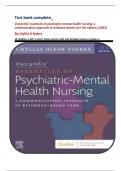
Test bank complete_
Varcarolis’ essentials of psychiatric mental health nursing: a
communication approach to evidence-based care 5th edition, (2022)
By chyllia d fosbre
all chapters 1-28| 5 units| latest version with well detailed answers| grade a+
,unit i: essential theoretical concepts for practice ----------------------------------------------------------- 4
chapter 01: science and the therapeutic use of self in psychiatric mental health nursing --------------- 4
chapter 02: mental health and mental illness ----------------------------------------------------------------------- 13
chapter 03: theories and therapies ------------------------------------------------------------------------------------- 23
chapter 04: biological basis for understanding psychopharmacology ---------------------------------------- 38
chapter 05: settings for psychiatric care ------------------------------------------------------------------------------ 53
chapter 06: legal and ethical basis for practice ---------------------------------------------------------------------- 65
unit ii: tools for practice of the art ---------------------------------------------------------------------------- 79
chapter 07: the nursing process in psychiatric-mental health nursing ---------------------------------------- 79
chapter 08: communication skills: medium for all nursing practice ------------------------------------------- 94
chapter 09: therapeutic relationships and the clinical interview --------------------------------------------- 106
unit iii: caring for patients with psychobiological disorders ------------------------------------------- 122
chapter 10: trauma and stress-related disorders and dissociative disorders ----------------------------- 122
chapter 11: anxiety, anxiety disorders, and obsessive-compulsive and related disorders ------------ 135
chapter 12: somatic symptom disorders ---------------------------------------------------------------------------- 156
chapter 13: personality disorders ------------------------------------------------------------------------------------- 172
chapter 14: eating disorders -------------------------------------------------------------------------------------------- 188
chapter 15: mood disorders: depression ---------------------------------------------------------------------------- 202
chapter 16: bipolar spectrum disorders ----------------------------------------------------------------------------- 221
chapter 17: schizophrenia spectrum disorders and other psychotic disorders --------------------------- 239
chapter 18: neurocognitive disorders -------------------------------------------------------------------------------- 260
chapter 19: substance-related and addictive disorders --------------------------------------------------------- 276
unit iv: caring for patients experiencing psychiatric emergencies ----------------------------------- 298
chapter 20: crisis and mass disaster ---------------------------------------------------------------------------------- 298
chapter 21: child, partner, and elder violence --------------------------------------------------------------------- 313
chapter 22: sexual violence --------------------------------------------------------------------------------------------- 327
chapter 23: suicidal thoughts and behaviors----------------------------------------------------------------------- 340
chapter 24: anger, aggression, and violence ----------------------------------------------------------------------- 356
chapter 25: care for the dying and those who grieve ------------------------------------------------------------ 372
unit v: age-related mental health disorders --------------------------------------------------------------- 388
,chapter 26: children and adolescents -------------------------------------------------------------------------------- 388
chapter 27: adults --------------------------------------------------------------------------------------------------------- 401
chapter 28: older adults ------------------------------------------------------------------------------------------------- 418
, Unit i: essential theoretical concepts for practice
Chapter 01: science and the therapeutic use of self in psychiatric mental health nursing
chyllia d fosbre: varcarolis’ essentials of psychiatric mental health nursing: a communication approach to evidence-based care 5th edition
Multiple choice
1. Which outcome, focused on recovery, would be expected in the plan of care for a
patient living in the community and diagnosed with serious and persistent mental illness?
Within 3 months, the patient will demonstrate what behavior?
A. Denying suicidal ideation
B. Reporting a sense of well-being
C. Taking medications as prescribed
D. Attending clinic appointments on time
Ans: b
Recovery emphasizes managing symptoms, reducing psychosocial disability, and
improving role performance. The goal of recovery is to empower the individual with
mental illness to achieve a sense of meaning and satisfaction in life and to function at the
highest possible level of wellness. The incorrect options focus on the classic medical
model rather than recovery.
Dif: cognitive level: application (applying) top: nursing process: outcomes
identification msc: nclex: health promotion and maintenance
2. A patient is hospitalized for depression and suicidal ideation after their spouse asks for
a divorce. Select the nurse’s most caring comment.
A. “let’s discuss healthy means of coping when you have suicidal feelings.”
B. “i understand why you’re so depressed. When i got divorced, i was devastated too.”
C. “you should forget about your marriage and move on with your life.”
D. “how did you get so depressed that hospitalization was necessary?”
Ans: a
Varcarolis’ essentials of psychiatric mental health nursing: a
communication approach to evidence-based care 5th edition, (2022)
By chyllia d fosbre
all chapters 1-28| 5 units| latest version with well detailed answers| grade a+
,unit i: essential theoretical concepts for practice ----------------------------------------------------------- 4
chapter 01: science and the therapeutic use of self in psychiatric mental health nursing --------------- 4
chapter 02: mental health and mental illness ----------------------------------------------------------------------- 13
chapter 03: theories and therapies ------------------------------------------------------------------------------------- 23
chapter 04: biological basis for understanding psychopharmacology ---------------------------------------- 38
chapter 05: settings for psychiatric care ------------------------------------------------------------------------------ 53
chapter 06: legal and ethical basis for practice ---------------------------------------------------------------------- 65
unit ii: tools for practice of the art ---------------------------------------------------------------------------- 79
chapter 07: the nursing process in psychiatric-mental health nursing ---------------------------------------- 79
chapter 08: communication skills: medium for all nursing practice ------------------------------------------- 94
chapter 09: therapeutic relationships and the clinical interview --------------------------------------------- 106
unit iii: caring for patients with psychobiological disorders ------------------------------------------- 122
chapter 10: trauma and stress-related disorders and dissociative disorders ----------------------------- 122
chapter 11: anxiety, anxiety disorders, and obsessive-compulsive and related disorders ------------ 135
chapter 12: somatic symptom disorders ---------------------------------------------------------------------------- 156
chapter 13: personality disorders ------------------------------------------------------------------------------------- 172
chapter 14: eating disorders -------------------------------------------------------------------------------------------- 188
chapter 15: mood disorders: depression ---------------------------------------------------------------------------- 202
chapter 16: bipolar spectrum disorders ----------------------------------------------------------------------------- 221
chapter 17: schizophrenia spectrum disorders and other psychotic disorders --------------------------- 239
chapter 18: neurocognitive disorders -------------------------------------------------------------------------------- 260
chapter 19: substance-related and addictive disorders --------------------------------------------------------- 276
unit iv: caring for patients experiencing psychiatric emergencies ----------------------------------- 298
chapter 20: crisis and mass disaster ---------------------------------------------------------------------------------- 298
chapter 21: child, partner, and elder violence --------------------------------------------------------------------- 313
chapter 22: sexual violence --------------------------------------------------------------------------------------------- 327
chapter 23: suicidal thoughts and behaviors----------------------------------------------------------------------- 340
chapter 24: anger, aggression, and violence ----------------------------------------------------------------------- 356
chapter 25: care for the dying and those who grieve ------------------------------------------------------------ 372
unit v: age-related mental health disorders --------------------------------------------------------------- 388
,chapter 26: children and adolescents -------------------------------------------------------------------------------- 388
chapter 27: adults --------------------------------------------------------------------------------------------------------- 401
chapter 28: older adults ------------------------------------------------------------------------------------------------- 418
, Unit i: essential theoretical concepts for practice
Chapter 01: science and the therapeutic use of self in psychiatric mental health nursing
chyllia d fosbre: varcarolis’ essentials of psychiatric mental health nursing: a communication approach to evidence-based care 5th edition
Multiple choice
1. Which outcome, focused on recovery, would be expected in the plan of care for a
patient living in the community and diagnosed with serious and persistent mental illness?
Within 3 months, the patient will demonstrate what behavior?
A. Denying suicidal ideation
B. Reporting a sense of well-being
C. Taking medications as prescribed
D. Attending clinic appointments on time
Ans: b
Recovery emphasizes managing symptoms, reducing psychosocial disability, and
improving role performance. The goal of recovery is to empower the individual with
mental illness to achieve a sense of meaning and satisfaction in life and to function at the
highest possible level of wellness. The incorrect options focus on the classic medical
model rather than recovery.
Dif: cognitive level: application (applying) top: nursing process: outcomes
identification msc: nclex: health promotion and maintenance
2. A patient is hospitalized for depression and suicidal ideation after their spouse asks for
a divorce. Select the nurse’s most caring comment.
A. “let’s discuss healthy means of coping when you have suicidal feelings.”
B. “i understand why you’re so depressed. When i got divorced, i was devastated too.”
C. “you should forget about your marriage and move on with your life.”
D. “how did you get so depressed that hospitalization was necessary?”
Ans: a

