‘And then the days came when I was alone’. (Jean Rhys, Good
Morning Midnight). Examine the representation of isolation and/or
solitude in the text that you have chosen.
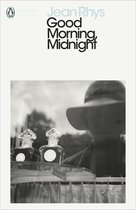
As a self-conscious modernist novel, Jean Rhys’ ‘Good Morning, Midnight’
inculcates the themes of isolation and solitude to offer a feminist comment
on the marginalisation of women in the 20th century.1 Abiding by the
modernist conventions exploited by novelists such as Woolf, Faulkner and
Joyce, Rhys utilises the narrative style to convey an underlying sense of
interiority to reveal the emotional and physical solitude of Sasha Jansen. As
a construct, she arguably focalises the plight of women and their
subjugation resulting from the Patriarchy of the age. Akin to characters such
as Marya Zelli, in ‘Quartet’2, and Julia Martin, in ‘After Leaving Mr
Mackenzie’3, Sasha, is ‘abused at the hands of others… depicted in a state
of passivity’.4 The intimate depiction of Sasha’s experiences promulgates
the idea that she is a ‘deracinated woman’ who exists ‘at the peripheries of
the interwar city’.5 Rhys strategically delineates Sasha as marginalised and
abandoned physically and emotionally during the inter-war period.
Initially, Rhys utilises William James’ ‘stream of consciousness’ narrative
style with the first-person confessional mode to expose the oppressive
solitude of Sasha Jansen.6 Previously used in other modernist novels, like
Woolf’s ‘Mrs Dalloway’7, the stream of consciousness exposes the interiority
of the protagonist to elucidate how this isolation manifests itself. 8 In
particular, the stream of consciousness itself exposes the extent of the
protagonist’s isolation as it spotlights the internal monologue which occurs
inside Sasha’s head, ‘I'm afraid of men - yes, I'm very much afraid of men.
And I'm even more afraid of women. And I'm very much afraid of the whole
1
Rhys, J, Good Morning, Midnight, (Penguin Random House UK: Penguin Classics, 2000).
2
Rhys, J, Quartet, (Penguin Random House UK: Penguin Classics, 2000).
3
Rhys, J, After Leaving Mr Mackenzie, (Penguin Random House UK: Penguin Classics, 2000).
4
Poursanati, S. & Maryam, N. ‘Sisyphean or Medusan: The Absurd Hero in Jean Rhys’s Good Morning,
Midnight and Wide Sargasso Sea’. Journal of Modern Literature, vol.47 no.4 (2024), pp.144-161. Project
MUSE, Available at: https://dx.doi.org/10.2979/jml.00049. (Accessed: 12/11/2024).
5
Zimmerman, E. ‘Always the same stairs, always the same room’: The Uncanny Architecture of Jean
Rhys’s Good Morning, Midnight’. Journal of Modern Literature, vol.38 no.4 (2015), pp.74-92, Project Muse,
Available at: https://dx.doi.org/10.2979/jmodelite.38.4.74.
6
Hoffman, F.J. ‘William James and the Modern Literary Consciousness’, Criticism, vol. 4, no.1 (1962),
pp. 1-13. JSTOR, Available at: http://www.jstor.org/stable/23091042.
7
Woolf, V, Mrs Dalloway, (Hertfordshire: Wordsworth Editions, 1996).
8
Lodge, D, The Art of Fiction, (London: Vintage, 2011), pp.41-45.
1
, bloody human race… Afraid of them?’. 9 The narrative style combined with
the fragmented sentence connotes Sasha’s fragility and her alienation, as
she evidently feels threatened by men. Perhaps, the writer is alluding to how
Rhys exposes the Freudian ideology of fear focalised within the novel. 10 Not
only does Sasha see men as intimidating, but the narrator also exposes
Sasha’s reaction to the ‘whole bloody human race’. 11 The use of adjective
‘bloody’ intensifies her reaction to society, depicting her as ‘othered’ by
society; therefore, she makes the decision to marginalise herself. 12 Erica
Johnson corroborates this view, suggesting Rhys is able to use to the first
person narration throughout the novel to explore the displacement of
women in the city at a time when they were struggling to find their place in
the world.13
Moreover, solitude is represented within the text through the utilisation of
the cityscape of Paris. Compared to the ameliorative description of ‘London’
in Woolf’s ‘Mrs Dalloway’, Rhys utilises a pejorative description of the
Parisian city to both emphasise and problematise the marginalisation of
women during the interwar period.14 Alfred Adler argues that Rhys, ‘pairs an
internal state with a physical space’, and consequently, the setting is
essential in exploring Sasha’s marginalisation. 15 When wandering down the
streets at night, Sasha describes the ‘dark houses, over you like monsters’. 16
The use of the prepositional phrase, ‘over you’ cultivates a looming and
threatening atmosphere, presenting the buildings as predatory. 17 Arguably,
the preposition ‘over’ propounds the magnitude of the buildings, oppressing
Sasha and cultivating a feeling of insignificance. 18 Thus, supporting
Zimmerman’s view of her as existing on the ‘peripheries’ of society. 19 The
exploitation of the simile, ‘like monsters’ cultivates the victimised status of
9
Rhys, J, Good Morning, Midnight, p.143.
10
Freud, S, The Uncannny, (London: Penguin Classics, 2003).
11
Ibid.
12
Ibid.
13
Johnson, E. L. ‘A modernist meeting in Montparnasse: precarity and freedom in Jean Rhys’s Good
Morning, Midnight and Cora Sandel’s Alberta and Freedom’, Feminist Modernist Studies, vol.6 no.2
(2023), pp.563-583. Available at: https://doi.org/10.1080/24692921.2023.2190206.
14
Woolf, V, Mrs Dalloway, (Hertfordshire: Wordsworth Editions, 1996).
15
Fox, M.C. ‘All different, all exactly alike’: identity, geopolitics, and narrative foreclosure in Voyage in
the Dark and Good Morning, Midnight, Feminist Modernist Studies, vol. 6 no.1, (2023), pp.19-24.
Available at: https://doi.org/10.1080/24692921.2023.2171404.
16
Rhys, J. Good Morning, Midnight, p.23.
17
Ibid.
18
Ibid.
19
Zimmerman, E. ‘Always the same stairs, always the same room’: The Uncanny Architecture of Jean
Rhys’s Good Morning, Midnight’. Journal of Modern Literature, vol.38 no.4 (2015), pp.74-92, Project Muse,
Available at: https://dx.doi.org/10.2979/jmodelite.38.4.74.
2
Morning Midnight). Examine the representation of isolation and/or
solitude in the text that you have chosen.
As a self-conscious modernist novel, Jean Rhys’ ‘Good Morning, Midnight’
inculcates the themes of isolation and solitude to offer a feminist comment
on the marginalisation of women in the 20th century.1 Abiding by the
modernist conventions exploited by novelists such as Woolf, Faulkner and
Joyce, Rhys utilises the narrative style to convey an underlying sense of
interiority to reveal the emotional and physical solitude of Sasha Jansen. As
a construct, she arguably focalises the plight of women and their
subjugation resulting from the Patriarchy of the age. Akin to characters such
as Marya Zelli, in ‘Quartet’2, and Julia Martin, in ‘After Leaving Mr
Mackenzie’3, Sasha, is ‘abused at the hands of others… depicted in a state
of passivity’.4 The intimate depiction of Sasha’s experiences promulgates
the idea that she is a ‘deracinated woman’ who exists ‘at the peripheries of
the interwar city’.5 Rhys strategically delineates Sasha as marginalised and
abandoned physically and emotionally during the inter-war period.
Initially, Rhys utilises William James’ ‘stream of consciousness’ narrative
style with the first-person confessional mode to expose the oppressive
solitude of Sasha Jansen.6 Previously used in other modernist novels, like
Woolf’s ‘Mrs Dalloway’7, the stream of consciousness exposes the interiority
of the protagonist to elucidate how this isolation manifests itself. 8 In
particular, the stream of consciousness itself exposes the extent of the
protagonist’s isolation as it spotlights the internal monologue which occurs
inside Sasha’s head, ‘I'm afraid of men - yes, I'm very much afraid of men.
And I'm even more afraid of women. And I'm very much afraid of the whole
1
Rhys, J, Good Morning, Midnight, (Penguin Random House UK: Penguin Classics, 2000).
2
Rhys, J, Quartet, (Penguin Random House UK: Penguin Classics, 2000).
3
Rhys, J, After Leaving Mr Mackenzie, (Penguin Random House UK: Penguin Classics, 2000).
4
Poursanati, S. & Maryam, N. ‘Sisyphean or Medusan: The Absurd Hero in Jean Rhys’s Good Morning,
Midnight and Wide Sargasso Sea’. Journal of Modern Literature, vol.47 no.4 (2024), pp.144-161. Project
MUSE, Available at: https://dx.doi.org/10.2979/jml.00049. (Accessed: 12/11/2024).
5
Zimmerman, E. ‘Always the same stairs, always the same room’: The Uncanny Architecture of Jean
Rhys’s Good Morning, Midnight’. Journal of Modern Literature, vol.38 no.4 (2015), pp.74-92, Project Muse,
Available at: https://dx.doi.org/10.2979/jmodelite.38.4.74.
6
Hoffman, F.J. ‘William James and the Modern Literary Consciousness’, Criticism, vol. 4, no.1 (1962),
pp. 1-13. JSTOR, Available at: http://www.jstor.org/stable/23091042.
7
Woolf, V, Mrs Dalloway, (Hertfordshire: Wordsworth Editions, 1996).
8
Lodge, D, The Art of Fiction, (London: Vintage, 2011), pp.41-45.
1
, bloody human race… Afraid of them?’. 9 The narrative style combined with
the fragmented sentence connotes Sasha’s fragility and her alienation, as
she evidently feels threatened by men. Perhaps, the writer is alluding to how
Rhys exposes the Freudian ideology of fear focalised within the novel. 10 Not
only does Sasha see men as intimidating, but the narrator also exposes
Sasha’s reaction to the ‘whole bloody human race’. 11 The use of adjective
‘bloody’ intensifies her reaction to society, depicting her as ‘othered’ by
society; therefore, she makes the decision to marginalise herself. 12 Erica
Johnson corroborates this view, suggesting Rhys is able to use to the first
person narration throughout the novel to explore the displacement of
women in the city at a time when they were struggling to find their place in
the world.13
Moreover, solitude is represented within the text through the utilisation of
the cityscape of Paris. Compared to the ameliorative description of ‘London’
in Woolf’s ‘Mrs Dalloway’, Rhys utilises a pejorative description of the
Parisian city to both emphasise and problematise the marginalisation of
women during the interwar period.14 Alfred Adler argues that Rhys, ‘pairs an
internal state with a physical space’, and consequently, the setting is
essential in exploring Sasha’s marginalisation. 15 When wandering down the
streets at night, Sasha describes the ‘dark houses, over you like monsters’. 16
The use of the prepositional phrase, ‘over you’ cultivates a looming and
threatening atmosphere, presenting the buildings as predatory. 17 Arguably,
the preposition ‘over’ propounds the magnitude of the buildings, oppressing
Sasha and cultivating a feeling of insignificance. 18 Thus, supporting
Zimmerman’s view of her as existing on the ‘peripheries’ of society. 19 The
exploitation of the simile, ‘like monsters’ cultivates the victimised status of
9
Rhys, J, Good Morning, Midnight, p.143.
10
Freud, S, The Uncannny, (London: Penguin Classics, 2003).
11
Ibid.
12
Ibid.
13
Johnson, E. L. ‘A modernist meeting in Montparnasse: precarity and freedom in Jean Rhys’s Good
Morning, Midnight and Cora Sandel’s Alberta and Freedom’, Feminist Modernist Studies, vol.6 no.2
(2023), pp.563-583. Available at: https://doi.org/10.1080/24692921.2023.2190206.
14
Woolf, V, Mrs Dalloway, (Hertfordshire: Wordsworth Editions, 1996).
15
Fox, M.C. ‘All different, all exactly alike’: identity, geopolitics, and narrative foreclosure in Voyage in
the Dark and Good Morning, Midnight, Feminist Modernist Studies, vol. 6 no.1, (2023), pp.19-24.
Available at: https://doi.org/10.1080/24692921.2023.2171404.
16
Rhys, J. Good Morning, Midnight, p.23.
17
Ibid.
18
Ibid.
19
Zimmerman, E. ‘Always the same stairs, always the same room’: The Uncanny Architecture of Jean
Rhys’s Good Morning, Midnight’. Journal of Modern Literature, vol.38 no.4 (2015), pp.74-92, Project Muse,
Available at: https://dx.doi.org/10.2979/jmodelite.38.4.74.
2