“Compare and contrast the presentation of Gothic villains in
Dracula and Beloved.”
Throughout the gothic genre, villains are commonly portrayed as the source of
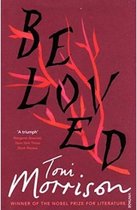
evil within the text. Although Toni Morrison’s 1987 novel “Beloved” was written
almost a century after Bram Stoker’s 1897 “Dracula”, similarities can be drawn
between their villainous characters.
Both Beloved and Count Dracula are portrayed as being dangerous and
menacing through their ability to suck the life out of those around them and thrive
off it. The parasitical portrayal of Dracula lying “like a filthy leech” and Beloved
getting bigger “the smaller Sethe became” creates a repulsive and unattractive
image in the readers mind, common to villains throughout the genre.
This unattractive image is also commonly evident in the physical appearances of
villains. Stoker presents the Count as physically intimidating, being “tall” and all
“clad in black”. This arouses fear in both Harker and the reader, as the effective
colour imagery of black symbolises evil and death. This therefore immediately
depicts Dracula as an ominous character who may bring danger to those who
associate with him. This idea is further enforced when the divine is shown to be
the only method of controlling Dracula as “touch(ing)..the crucifix..made an
instant change in him”. Heaven’s rejection of the character alludes to the evil and
“demoniac” nature the reader associates with him. Where as Dracula appears
physically fearsome, Beloved differs as she appears in various human forms,
such as a baby or a woman, to symbolise those “sixty million and more” slaves
that Morrison wished to commemorate. In wanting to do so, as well as aiming to
make this part of history less taboo in the United States, Morrison could not
portray the character in the stereotypical, frightening creature-like form, as this
would only further estrange the topic.
Not all gothic novels contain only one villain and this is evident in “Dracula” where
the newly turned vampire Lucy Westerna displays her villainous ways through her
anti-maternal behaviour. In a victorian society where women were expected to be
the “angel in the house”, any behaviour that opposed this idealistic image
immediately portrays that woman as dangerous and potentially evil. This is
exactly how Stoker presents Lucy as she is seen “bent over..a fair haired child”
and “growling over it as a dog growls over a bone”. This highlights the characters
new anti-maternalistic ways, showing her to no longer be the innocent lady she
once was. Her femme fatalé depiction is further emphasised through her
animalistic portrayal as she is likened to a dog. This shows her to now have a
brutal and instinctive nature, posing a threat to any child who may cross her path.
Her anti-maternalism symbolises her threat to society, being “something for
Victorian men to fear” as argued by Ray Cluley. This idea of anti-maternalism is
Dracula and Beloved.”
Throughout the gothic genre, villains are commonly portrayed as the source of
evil within the text. Although Toni Morrison’s 1987 novel “Beloved” was written
almost a century after Bram Stoker’s 1897 “Dracula”, similarities can be drawn
between their villainous characters.
Both Beloved and Count Dracula are portrayed as being dangerous and
menacing through their ability to suck the life out of those around them and thrive
off it. The parasitical portrayal of Dracula lying “like a filthy leech” and Beloved
getting bigger “the smaller Sethe became” creates a repulsive and unattractive
image in the readers mind, common to villains throughout the genre.
This unattractive image is also commonly evident in the physical appearances of
villains. Stoker presents the Count as physically intimidating, being “tall” and all
“clad in black”. This arouses fear in both Harker and the reader, as the effective
colour imagery of black symbolises evil and death. This therefore immediately
depicts Dracula as an ominous character who may bring danger to those who
associate with him. This idea is further enforced when the divine is shown to be
the only method of controlling Dracula as “touch(ing)..the crucifix..made an
instant change in him”. Heaven’s rejection of the character alludes to the evil and
“demoniac” nature the reader associates with him. Where as Dracula appears
physically fearsome, Beloved differs as she appears in various human forms,
such as a baby or a woman, to symbolise those “sixty million and more” slaves
that Morrison wished to commemorate. In wanting to do so, as well as aiming to
make this part of history less taboo in the United States, Morrison could not
portray the character in the stereotypical, frightening creature-like form, as this
would only further estrange the topic.
Not all gothic novels contain only one villain and this is evident in “Dracula” where
the newly turned vampire Lucy Westerna displays her villainous ways through her
anti-maternal behaviour. In a victorian society where women were expected to be
the “angel in the house”, any behaviour that opposed this idealistic image
immediately portrays that woman as dangerous and potentially evil. This is
exactly how Stoker presents Lucy as she is seen “bent over..a fair haired child”
and “growling over it as a dog growls over a bone”. This highlights the characters
new anti-maternalistic ways, showing her to no longer be the innocent lady she
once was. Her femme fatalé depiction is further emphasised through her
animalistic portrayal as she is likened to a dog. This shows her to now have a
brutal and instinctive nature, posing a threat to any child who may cross her path.
Her anti-maternalism symbolises her threat to society, being “something for
Victorian men to fear” as argued by Ray Cluley. This idea of anti-maternalism is