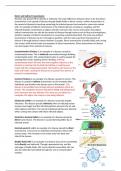
Direct and indirect transmission:
Diseases can spread either directly or indirectly. The main difference between these 2 are that direct
transmission is the spread of disease through bodily fluids or direct contact. Indirect transmission is
the spread of disease by touching something the infected person has touched or come into contact
with. An example of indirect transmission is the infected person sneezing or coughing, and the
infected droplets contaminate an object and then someone else comes and touches that object.
Indirect transmission can also be the spread of disease through vectors such as fleas and mosquitoes.
Another example of indirect transmission is consuming contaminated food. The main way indirect
transmission of disease occurs is through air particles, and the main way direct transmission of
disease is through physical contact between 2 people. Direct transmission of bodily fluids and coming
into contact with animal waste are examples of direct transmission. Direct transmission of disease
can also happen from animals to humans.
(contamination) Cholera is an example of a disease caused by
contaminated water. This is indirectly transmitted through drinking
contaminated water. This contaminated water is used by people for
washing their hands, bathing and for drinking. Drinking
contaminated water will have the most negative response as the
bacteria is entering into the body. By bathing or washing your
hands with this contaminated water, the bacteria will remain on the
body and hands, causing the disease to be passed from person to
person by contamination.
(vectors) Malaria is an example of a disease caused by vectors. This
disease is caused by indirect transmission as the mosquito bites
individuals and transfers the disease over to the human. This
disease is transmitted only through infected anopheles which are
female. The anopheles become infected by biting and taking blood
from someone who was infected. The more you are bitten by a
mosquito, the higher the chance of you being infected.
(Airborne) COVID is an example of a disease caused by droplet
infections. The disease spreads indirectly when an infected person
sneezes and coughs and the infected particles spread in the air and
infect objects and items. The normal individual will become infected
when coming into contact with these infected objects.
(Animal to human) Rabies is an example of a disease spread by
direct transmission. The disease is caused by being bitten by an
infected animal.
(Animal waste) E. coli is an example of a disease spread by direct
transmission. It occurs by an individual coming into contact with
animal waste. The microbes in the waste enter the body and
infect5 the human.
(Bodily fluids) HIV is an example of a disease that can be transmitted
both directly and indirectly. Through unprotected sex, and the
exchange of bodily fluids, HIV can be directly transmitted. HIV can
also be indirectly transmitted through the use of contaminated
needles.
, Prevention of diseases:
There are many different ways in which diseases can be prevented from spreading:
Prophylaxis
PPE
Behaviours
Environmental
Isolation
Vaccination
Prophylaxis
Prophylaxis is a type of treatment or action which prevents disease and
infection. Antibiotics is an example of a prophylaxis as it works to kill
and prevent the bacteria from multiplying in the body. This prevents the
infection from spreading around the body. Antibiotics are only good
against bacterial infections and not viral infections. Antibiotics are
effective at treating a bite or wound which is likely to become infected.
Antibiotics can treat respiratory infections like bronchitis and pneumonia. Antibiotics are mainly
taken in tablet or liquid form; however, it can also be used as a cream or injection. Antibiotics is a
relatively cheap drug and can be purchased over the counter, however some have to be prescribed
to you by your doctor. Common side effects of antibiotics are nausea, dizziness, diarrhoea and loss of
appetite. It is important to finish the whole course to avoid antibiotic resistance. You should not take
more than you need to, even if you have missed one. antimalarial drugs and antiviral treatments are
types of prophylaxis. antiviral drugs help treat influenza, and antimalarial drugs treat malaria.
Overall, antibiotics are an effective method of treating infections, as they are cheap and easy to take.
One disadvantage is that they are only good against bacterial infections.
PPE
PPE is another form of treatment/prevention for diseases and
infections. Gloves and biohazard suits are examples of personal
protective equipment. By wearing gloves and PPE the spread of
disease can be prevented. PPE acts as a barrier between your
mouth, skin, ears and nose against the environment. It does not
completely stop the spread of disease; however, it does reduce
the chance as it won't be spreading from person to person. Wearing gloves will keep your hands
clean and protected from any harmful diseases. Many people touch their faces and eat food with
their hands, so it is very easy to get diseases and infections. It is very easy for diseases and infections
to enter the body through any cuts or open wounds in the skin. PPE will protect you from this and
lower the risk of catching a disease. PPE should be disposed of when used, and it should not be
reused as this will cause contamination and increase the risk of disease. E. coli and COVID 19 are
examples of diseases that can be prevented or protected using PPE. Rubeola virus, chickenpox and
tuberculosis are more diseases that can be prevented by wearing PPE. Overall, PPE is an effective
way of preventing and stopping the spread of disease as it acts as a physical barrier between you and
the environment. It is also very cheap and easily accessible.
Vaccination
Vaccinations can prevent the spread of disease, and they are the most effective and commonly used
method. Vaccines work by strengthening the immune system and making them familiar with the
Diseases can spread either directly or indirectly. The main difference between these 2 are that direct
transmission is the spread of disease through bodily fluids or direct contact. Indirect transmission is
the spread of disease by touching something the infected person has touched or come into contact
with. An example of indirect transmission is the infected person sneezing or coughing, and the
infected droplets contaminate an object and then someone else comes and touches that object.
Indirect transmission can also be the spread of disease through vectors such as fleas and mosquitoes.
Another example of indirect transmission is consuming contaminated food. The main way indirect
transmission of disease occurs is through air particles, and the main way direct transmission of
disease is through physical contact between 2 people. Direct transmission of bodily fluids and coming
into contact with animal waste are examples of direct transmission. Direct transmission of disease
can also happen from animals to humans.
(contamination) Cholera is an example of a disease caused by
contaminated water. This is indirectly transmitted through drinking
contaminated water. This contaminated water is used by people for
washing their hands, bathing and for drinking. Drinking
contaminated water will have the most negative response as the
bacteria is entering into the body. By bathing or washing your
hands with this contaminated water, the bacteria will remain on the
body and hands, causing the disease to be passed from person to
person by contamination.
(vectors) Malaria is an example of a disease caused by vectors. This
disease is caused by indirect transmission as the mosquito bites
individuals and transfers the disease over to the human. This
disease is transmitted only through infected anopheles which are
female. The anopheles become infected by biting and taking blood
from someone who was infected. The more you are bitten by a
mosquito, the higher the chance of you being infected.
(Airborne) COVID is an example of a disease caused by droplet
infections. The disease spreads indirectly when an infected person
sneezes and coughs and the infected particles spread in the air and
infect objects and items. The normal individual will become infected
when coming into contact with these infected objects.
(Animal to human) Rabies is an example of a disease spread by
direct transmission. The disease is caused by being bitten by an
infected animal.
(Animal waste) E. coli is an example of a disease spread by direct
transmission. It occurs by an individual coming into contact with
animal waste. The microbes in the waste enter the body and
infect5 the human.
(Bodily fluids) HIV is an example of a disease that can be transmitted
both directly and indirectly. Through unprotected sex, and the
exchange of bodily fluids, HIV can be directly transmitted. HIV can
also be indirectly transmitted through the use of contaminated
needles.
, Prevention of diseases:
There are many different ways in which diseases can be prevented from spreading:
Prophylaxis
PPE
Behaviours
Environmental
Isolation
Vaccination
Prophylaxis
Prophylaxis is a type of treatment or action which prevents disease and
infection. Antibiotics is an example of a prophylaxis as it works to kill
and prevent the bacteria from multiplying in the body. This prevents the
infection from spreading around the body. Antibiotics are only good
against bacterial infections and not viral infections. Antibiotics are
effective at treating a bite or wound which is likely to become infected.
Antibiotics can treat respiratory infections like bronchitis and pneumonia. Antibiotics are mainly
taken in tablet or liquid form; however, it can also be used as a cream or injection. Antibiotics is a
relatively cheap drug and can be purchased over the counter, however some have to be prescribed
to you by your doctor. Common side effects of antibiotics are nausea, dizziness, diarrhoea and loss of
appetite. It is important to finish the whole course to avoid antibiotic resistance. You should not take
more than you need to, even if you have missed one. antimalarial drugs and antiviral treatments are
types of prophylaxis. antiviral drugs help treat influenza, and antimalarial drugs treat malaria.
Overall, antibiotics are an effective method of treating infections, as they are cheap and easy to take.
One disadvantage is that they are only good against bacterial infections.
PPE
PPE is another form of treatment/prevention for diseases and
infections. Gloves and biohazard suits are examples of personal
protective equipment. By wearing gloves and PPE the spread of
disease can be prevented. PPE acts as a barrier between your
mouth, skin, ears and nose against the environment. It does not
completely stop the spread of disease; however, it does reduce
the chance as it won't be spreading from person to person. Wearing gloves will keep your hands
clean and protected from any harmful diseases. Many people touch their faces and eat food with
their hands, so it is very easy to get diseases and infections. It is very easy for diseases and infections
to enter the body through any cuts or open wounds in the skin. PPE will protect you from this and
lower the risk of catching a disease. PPE should be disposed of when used, and it should not be
reused as this will cause contamination and increase the risk of disease. E. coli and COVID 19 are
examples of diseases that can be prevented or protected using PPE. Rubeola virus, chickenpox and
tuberculosis are more diseases that can be prevented by wearing PPE. Overall, PPE is an effective
way of preventing and stopping the spread of disease as it acts as a physical barrier between you and
the environment. It is also very cheap and easily accessible.
Vaccination
Vaccinations can prevent the spread of disease, and they are the most effective and commonly used
method. Vaccines work by strengthening the immune system and making them familiar with the