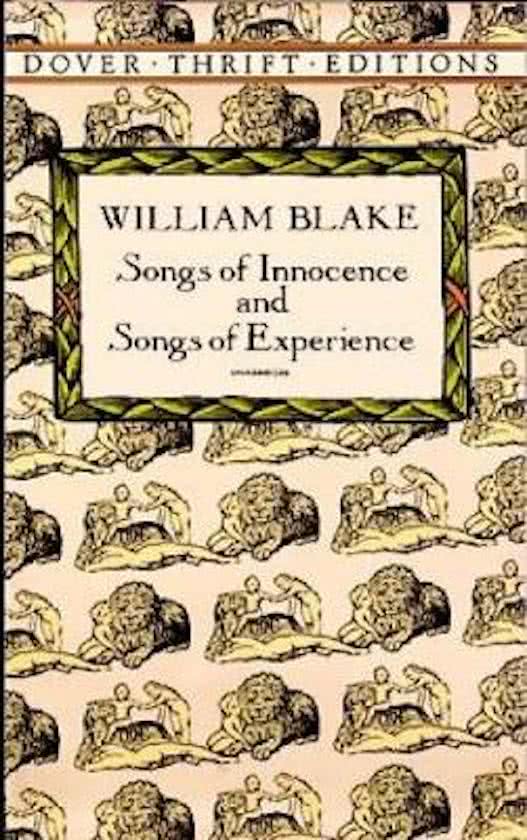
Songs of Innocence and Experience
Overview:
• Blake, as a Romantic poet, was a rebel and an outsider — sympathetic to both the American
and French revolutions.
• His poetry addresses two key elements of social and political protest: he champions freedom
of the individual and condemns those who wield power.
• Blake was politically and ideologically a libertarian who had entrenched radical notions about
freedom. This transpires within his deep rooted anti-establishment ethos which is embedded
within the songs.
• Blake himself said: “I must create a system or be enslaved by another mans.” His songs are an
attack on political systems and institutions of the late 18th and early 19th centuries; namely: the
monarchy, the church and the government.
A03 - context:
• The songs were written in 1794, at a time when the British government was deeply
conservative. The government feared a revolution like that of the French (which Blake admired).
• The British Industrial revolution was beginning during the time of writing — industrial magnates
were making money by exploiting the proletariat. Blake condemns this throughout his ‘Songs of
Innocence and Experience.’
• Throughout his childhood, Blake himself experienced many visions, including an angel in a tree.
This inspired much of the visionary nature in his poetry.
• At the time of writing, the Slave Trade was still very much prominent, Blake argued that it should
be outlawed. He attacks slavery in ‘The Little Black Boy’ (Innocence) and ‘The Chimney
Sweeper’ (Innocence and Experience.)
• Blake was a radical revolutionist, and a supporter of both the American and the French
Revolution.
• Jean-Jacques Rousseau maintained the view that children are innately innocent. He stated that:
‘man is born free but is everywhere in chains’ which heavily inspired Blake’s poem ‘London’
where he refers to the ‘mind-forged manacles.’
A05 - critic interpretations:
• Evans: ‘Songs where wisdom speaks with the voice of a child.’
• Evans: ‘Blake was on the side of man against authority.’
• Timothy Vines: ‘Blake’s writings endeavour to loosen or break society’s “mind forged
manacles” which had been created through the edicts of a repressive church and supported by
parliament.’
• Norton: ‘Religion is active in children’s oppression because it makes them promises about the
afterlife rather than dealing with the injustices on earth.’
• Mold: ‘Children are literally given a voice, as opposed to being seen and not heard as in
conventional 18th century.’
• Williams (commenting on Blake and the Romantics): ‘[Blake was] part of a group of poets
who saw themselves as agents of the revolution of life.’
• Currie: ‘What the Songs never allow us to forget is how vulnerable children really are.’
• Gilchrist: ‘Blake was evidently against the monarchy and he wanted social reform and a
revolution.’
, 1. Holy Thursday (Songs of Experience)
Structure:
• There is a structural contrast as the rhyme scheme breaks down in the second stanza to
mirror the urgency of Blakes questions.
• The shift to present tense at the end of the poem heightens the frustration of the ongoing
struggles within Britain.
Language:
• The bombardment of rhetorical questions in the second stanza highlights the urgency of the
problems within Britain being addressed.
• Juxtaposition - the ‘rich and fruitful land’ is also described as ‘a land of poverty’ which
criticises the ever-growing Capitalist society.
• Epizeuxis lines in the third stanza stresses the monotony of life for those living in poverty.
• Biblical allusions to Christs su ering are indicated by the reference to ‘thorns’.
• The pathetic fallacy of ‘it is eternal winter there’ suggests the dullness of life for those trapped
in the cycle of poverty.
Tone:
• The poem adopts a cynical tone as it criticises and condemns Capitalist Britain for abusing its
‘rich and fruitful land’ by leaving ‘so many children poor’.
Form:
• The poem takes ballad form and has an ABAB rhyme scheme.
• The rhyme scheme breaks down in the second stanza to pick up a CDED rhyme scheme in
the nal two stanzas.
2. The Little Vagabond (Songs of Experience)
Structure:
• Unlike many of the poems within the ‘Experience’ section of the collection, the poetic voice of
this poem is a child (link to ‘The Little Black Boy’).
• The beginning of the poem (which describes the church) does not rhyme — this suggests that
the church is out of touch with society.
Language:
• Juxtaposition is used to contrast ‘the church’ which is ‘cold’ and ‘the ale-house’ which is ‘warm’
to show that the latter is more inviting and accepting to society — contrary to popular belief.
• The group of three epithets used to describe ‘the ale-house’: ‘healthy and pleasant and warm’
subverts the status quo.
• ‘Organised innocence’ is a state superior to the partialities of ‘innocence’ and ‘experience’;
where the two viewpoints may be harmonised and reconciled. Juxtaposition of ‘God’ and the
‘Devil’ reinforces this idea.
Tone:
• The anapaestic rhythm creates a jaunty tone.
• A plaintive tone is sued throughout the poem — ‘I can tell where I am used well, such usage in
Heaven will never do well.’
Form:
• Internalised rhyme: ‘modest Dame Lurch, who is always at church’ — the rhyming of ‘Lurch’ and
‘Church’ creates an accusatory tone and depicts ‘Dame Lurch’ as the embodiment of
oppression within the church.
fi
ff
Overview:
• Blake, as a Romantic poet, was a rebel and an outsider — sympathetic to both the American
and French revolutions.
• His poetry addresses two key elements of social and political protest: he champions freedom
of the individual and condemns those who wield power.
• Blake was politically and ideologically a libertarian who had entrenched radical notions about
freedom. This transpires within his deep rooted anti-establishment ethos which is embedded
within the songs.
• Blake himself said: “I must create a system or be enslaved by another mans.” His songs are an
attack on political systems and institutions of the late 18th and early 19th centuries; namely: the
monarchy, the church and the government.
A03 - context:
• The songs were written in 1794, at a time when the British government was deeply
conservative. The government feared a revolution like that of the French (which Blake admired).
• The British Industrial revolution was beginning during the time of writing — industrial magnates
were making money by exploiting the proletariat. Blake condemns this throughout his ‘Songs of
Innocence and Experience.’
• Throughout his childhood, Blake himself experienced many visions, including an angel in a tree.
This inspired much of the visionary nature in his poetry.
• At the time of writing, the Slave Trade was still very much prominent, Blake argued that it should
be outlawed. He attacks slavery in ‘The Little Black Boy’ (Innocence) and ‘The Chimney
Sweeper’ (Innocence and Experience.)
• Blake was a radical revolutionist, and a supporter of both the American and the French
Revolution.
• Jean-Jacques Rousseau maintained the view that children are innately innocent. He stated that:
‘man is born free but is everywhere in chains’ which heavily inspired Blake’s poem ‘London’
where he refers to the ‘mind-forged manacles.’
A05 - critic interpretations:
• Evans: ‘Songs where wisdom speaks with the voice of a child.’
• Evans: ‘Blake was on the side of man against authority.’
• Timothy Vines: ‘Blake’s writings endeavour to loosen or break society’s “mind forged
manacles” which had been created through the edicts of a repressive church and supported by
parliament.’
• Norton: ‘Religion is active in children’s oppression because it makes them promises about the
afterlife rather than dealing with the injustices on earth.’
• Mold: ‘Children are literally given a voice, as opposed to being seen and not heard as in
conventional 18th century.’
• Williams (commenting on Blake and the Romantics): ‘[Blake was] part of a group of poets
who saw themselves as agents of the revolution of life.’
• Currie: ‘What the Songs never allow us to forget is how vulnerable children really are.’
• Gilchrist: ‘Blake was evidently against the monarchy and he wanted social reform and a
revolution.’
, 1. Holy Thursday (Songs of Experience)
Structure:
• There is a structural contrast as the rhyme scheme breaks down in the second stanza to
mirror the urgency of Blakes questions.
• The shift to present tense at the end of the poem heightens the frustration of the ongoing
struggles within Britain.
Language:
• The bombardment of rhetorical questions in the second stanza highlights the urgency of the
problems within Britain being addressed.
• Juxtaposition - the ‘rich and fruitful land’ is also described as ‘a land of poverty’ which
criticises the ever-growing Capitalist society.
• Epizeuxis lines in the third stanza stresses the monotony of life for those living in poverty.
• Biblical allusions to Christs su ering are indicated by the reference to ‘thorns’.
• The pathetic fallacy of ‘it is eternal winter there’ suggests the dullness of life for those trapped
in the cycle of poverty.
Tone:
• The poem adopts a cynical tone as it criticises and condemns Capitalist Britain for abusing its
‘rich and fruitful land’ by leaving ‘so many children poor’.
Form:
• The poem takes ballad form and has an ABAB rhyme scheme.
• The rhyme scheme breaks down in the second stanza to pick up a CDED rhyme scheme in
the nal two stanzas.
2. The Little Vagabond (Songs of Experience)
Structure:
• Unlike many of the poems within the ‘Experience’ section of the collection, the poetic voice of
this poem is a child (link to ‘The Little Black Boy’).
• The beginning of the poem (which describes the church) does not rhyme — this suggests that
the church is out of touch with society.
Language:
• Juxtaposition is used to contrast ‘the church’ which is ‘cold’ and ‘the ale-house’ which is ‘warm’
to show that the latter is more inviting and accepting to society — contrary to popular belief.
• The group of three epithets used to describe ‘the ale-house’: ‘healthy and pleasant and warm’
subverts the status quo.
• ‘Organised innocence’ is a state superior to the partialities of ‘innocence’ and ‘experience’;
where the two viewpoints may be harmonised and reconciled. Juxtaposition of ‘God’ and the
‘Devil’ reinforces this idea.
Tone:
• The anapaestic rhythm creates a jaunty tone.
• A plaintive tone is sued throughout the poem — ‘I can tell where I am used well, such usage in
Heaven will never do well.’
Form:
• Internalised rhyme: ‘modest Dame Lurch, who is always at church’ — the rhyming of ‘Lurch’ and
‘Church’ creates an accusatory tone and depicts ‘Dame Lurch’ as the embodiment of
oppression within the church.
fi
ff