PATHO EXAM 3
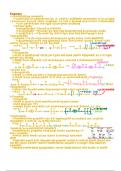
ARDS (acute respiratory distress syndrome) - Systemic inflammatory response: edema in interstitial tissues not in airway! Damage to alveolar and capillary membrane Large molecules leak into alveoli Damage type 2 alveoli = no surfactant Alveolar collapse can't participate in gas exchange Type 1 pneumocytes - gas exchange Type 2 pneumocytes - produce surfactant Pulmonary embolism - DVT breaks off and occludes pulmonary circulation Virchow's triad - Stasis, hypercoagulability, endothelial damage Primary Tuberculosis - Granuloma formed to wall off.... The tissue dies inside as result (caseous necrosis) — if the cavitate breaks... It will lead to spread Immunocompromised patients w/ TB - Immune systems contain it but chronic issues in conjunction cause activation Droplet ppd over 10 mm - Indicates previous exposure Type 1 hypersensitivity reaction - -ige mediated -Ex: Asthma, allergic rhinitis, atopic dermatitis, anaphylactic shock, urticarial, angioedema Type 2 hypersensitivity reaction - -igg -Transfusions reactions, HDFN Type 3 hypersensitivity reaction - -results from the formation of igg or igm antibody-antigen complexes in the circulation -those antigen-antibody complexes are deposited in the basement membrane of vessel walls, activating complement Examples: Systemic lupus or Rheumatoid arthritis Post strep glomerulonephritis Type 4 hypersensitivity - Delayed type hypersensitivity reactions. T-cell and Macrophage mediated. Ex: Tuberculosis DM1 organ rejection Multiple Sclerosis (MS) - destruction of the myelin sheath on neurons in the CNS and its replacement by plaques of sclerotic (hard) tissue ALS - UMN and LMN that eventually leads to muscle paralysis Subarachnoid hemorrhage - + Kernig’s/Brudzinski sign Increased Intracranial Pressure (ICP) - Bradycardia, hypertension, and abnormal respiratory pattern Left sided heart failure - pulmonary edema, coughing, shortness of breath, and dyspnea Right sided heart failure - 1. Jugular Vein Distention 2. Ascending Dependent Edema 3. Weight Gain 4. Hepatomegaly (Liver Enlargement
Escuela, estudio y materia
- Institución
- Pathophysiology
- Grado
- Pathophysiology
Información del documento
- Subido en
- 20 de febrero de 2024
- Número de páginas
- 10
- Escrito en
- 2023/2024
- Tipo
- Examen
- Contiene
- Preguntas y respuestas
Temas
-
patho exam 3
-
patho exam
-
pathophysiology
-
advanced pathophysiology

Documento también disponible en un lote