Important terms and exam questions to study for Oncology, partial exam 1,
Vrije Universiteit Amsterdam (AB_1184)
This is only for the first part of the exam, I have another document too, which is about the
second part of the exam. Study these terms and questions well, and you will be guaranteed
to pass your exam!
How do we define incidence? ---> The number of new cases within a certain time
period (usually a year)
How do we define prevalence? ---> All persons who somewhere in time have been
diagnosed
How do we define mortality? ---> The number of people who died as a result of
cancer within a certain time period *usually a year)
How do we define survival? ---> The percentage of patients that are still alive after
receiving their diagnosis
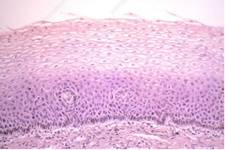
Carcinomas arise from: ---> epithelial tissue
Adenocarcinomas arise from: ---> glandular tissue
Sarcomas arise from: ---> mesodermal tissue
Lymphomas arise from: ---> (progenitors of) white blood cells
Why is the incidence of carcinomas much higher than other types of cancers? --->
Carcinomas are derived from epithelial cells, and epithelial cells align our body
(inside and outside). These cells are most exposed to carcinogens.
What is a carcinogen? ---> A cancer-causing substance
Is cancer genetic? ---> No. However, some cancers are linked to genetic
susceptibility (a higher risk of developing cancer).
Why does the risk to develop cancer increase at older age? ---> Because an
accumulation of mutations in the DNA is needed for the development of cancer. It is
a matter of chance and time. The older we get, the more chance there is to develop
cancer.
What is the therapeutic window? ---> The difference between the maximum
tolerated dose (MTD) and the minimum dose needed to exert anti-cancer activity
, What is the therapeutic index? ---> Ratio of a drug's toxic level to the level that
provides therapeutic benefits
Which DNA repair mechanism will be used when there's a damaged base? --->
Base excision repair
Which DNA repair mechanism will be used when there are bulky abducts? --->
Nucleotide excision repair
Which DNA repair mechanism will be used when there are replication errors? --->
Mismatch repair
Which DNA repair mechanism will be used when there is a strand break? --->
Homologous recombination repair or non-homologous end joining
Which DNA repair mechanism will be used when there is a cross link? --->
Complex repair, coordinated by FA pathway
The Fanconi/BRCA pathway is involved in: ---> DNA breaks and cross-links
Delaminating of cytosine changes it to: ---> uracil
Which molecule is activated by a double strand break? ---> ATM
In the DNA repair mechanism process: which molecule recognizes a damaged
base? ---> DNA glycosylase
What is an abasic site? ---> A location in the DNA that has neither a purine nor a
pyrimidine base
Abasic sites arise from activity of: ---> DNA glycosylase or depurination
What is synthetic lethality? ---> a combination of deficiencies in the expression of
two or more genes leads to cell death, whereas a deficiency in only one of these
genes does not
How many transcription factors do humans approximately have? ---> 3000
True or false: epigenetic changes cause changes in the DNA sequence ---> False
True or false: epigenetic changes reversible ---> True